










They reproach Carro for his lack of Peronism and Francioni for being worn out, although they remain silent when it comes to others who have been on the scene for decades. Ultimately, they do not criticize the political content of Kirchnerism, but its effectiveness in maintaining the share of power they intend to dispute. There is no ideological break, there is a reconfiguration of the distribution.
Under an apparent quest for independence and federalism, what is really hidden is a fierce internal struggle for control of the candidacies. The discourse of "alternative construction" quickly fades when the change boils down to swapping some Kirchnerists for others. What bothers them about La Cámpora is not its ideology, but that it doesn't leave them a seat at the decision-making table.
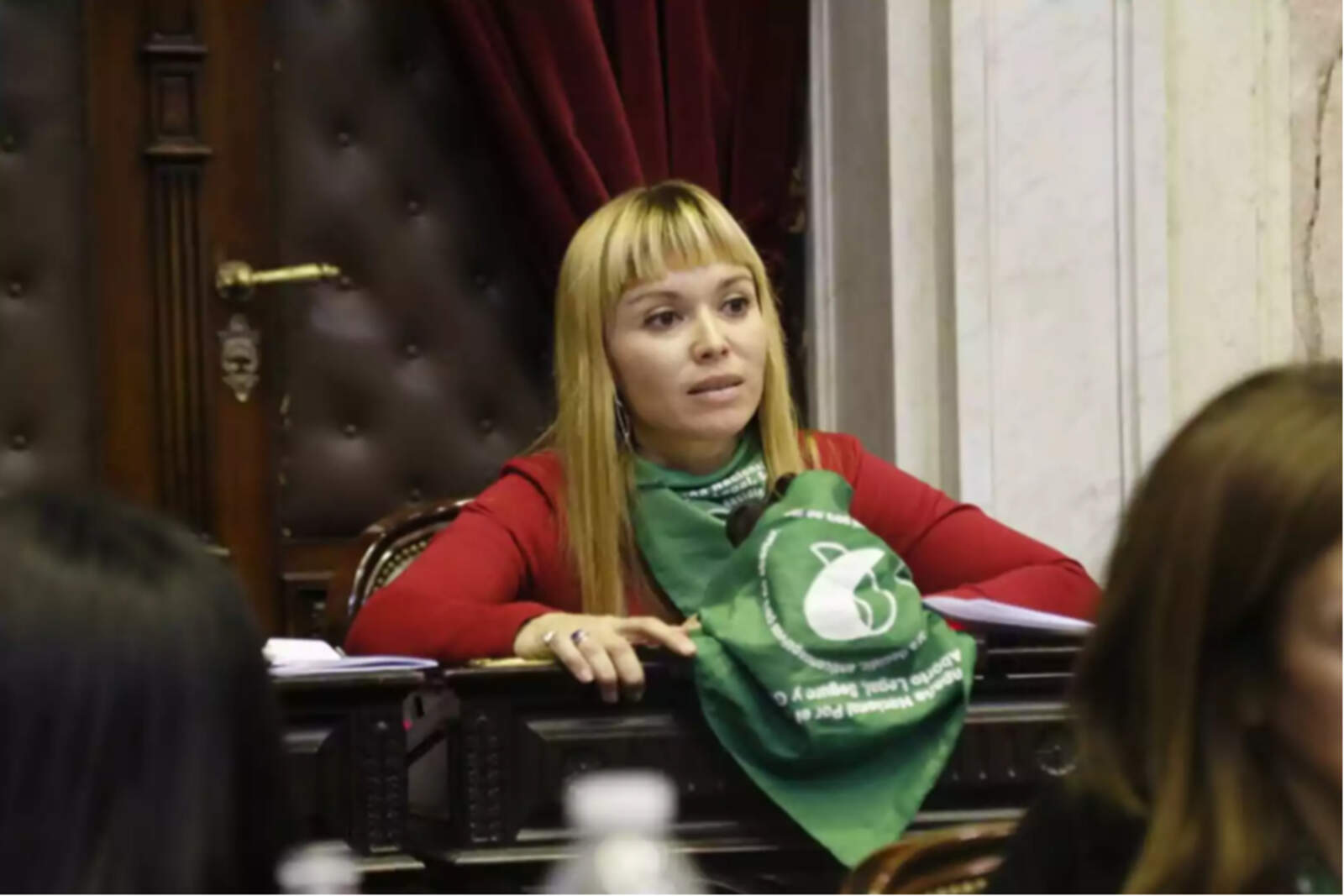
The Massista heiress and a model that even José Manuel De la Sota fought against
CGT wants Natalia de la Sota to lead this new stage, a national deputy close to Massismo and the Frente Renovador. It is not surprising that she is being considered as a candidate: she is part of the same political apparatus that has governed the country with failed recipes and a progressive discourse increasingly removed from reality.
What is striking is that she seeks to represent change, when her political affiliation fully connects her with Kirchnerism, the same model her father firmly opposed when he was governor. José Manuel de la Sota would be ashamed to see how his surname is now being used as a useful tool for a political model he once fought against.
Union leaders admit that they trust the deputy will break with the "Partido Cordobés" and align herself definitively with Massismo. In other words, that she will leave a pro-Kirchnerist space to enter another, without ever leaving the same political ecosystem. The issues they promise to discuss, such as security, are the same ones Kirchnerism ignored and now claims to want to prioritize.