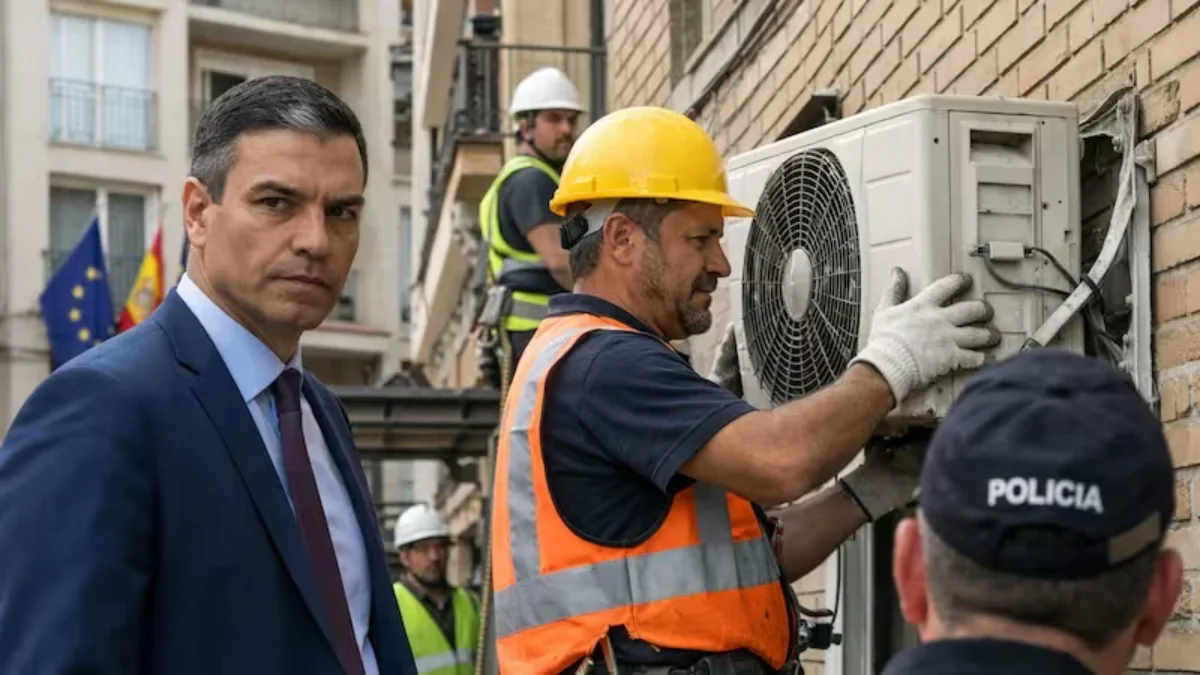
Amid a historic heatwave and extreme temperatures across Europe, the government of Pedro Sánchez in Spain is moving forward with a controversial measure that forces thousands of property owners to remove air conditioning units installed on building facades.
The year 2026 has been set as the deadline for the end of the moratoriums granted by various municipalities, which will lead to mass inspections and financial penalties.
The decision is part of a policy aimed at the so-called “visual cleanliness” of cities, with the goal of reducing the "aesthetic impact" of external compressors and improving energy efficiency.
Pedro Sánchez
However, the implementation of the regulation raises strong questions, especially as it occurs during one of the most severe heatwaves on record in the continent.
The consequences for those who do not comply with the regulation are significant. Fines can reach up to 3,000 euros, and the sanctioning process will be swift, as files can be initiated ex officio through simple visual inspections from public roads.
In addition to the financial penalty, property owners will have to bear the costs of removing the units and adapting the facades to current regulations.
The legal basis for this policy lies in the Horizontal Property Law and various municipal ordinances, particularly in large cities. However, the tightening of controls amid temperatures exceeding 35 °C and reaching 42 °C in some regions creates a stark contrast between the regulation and the climatic reality.
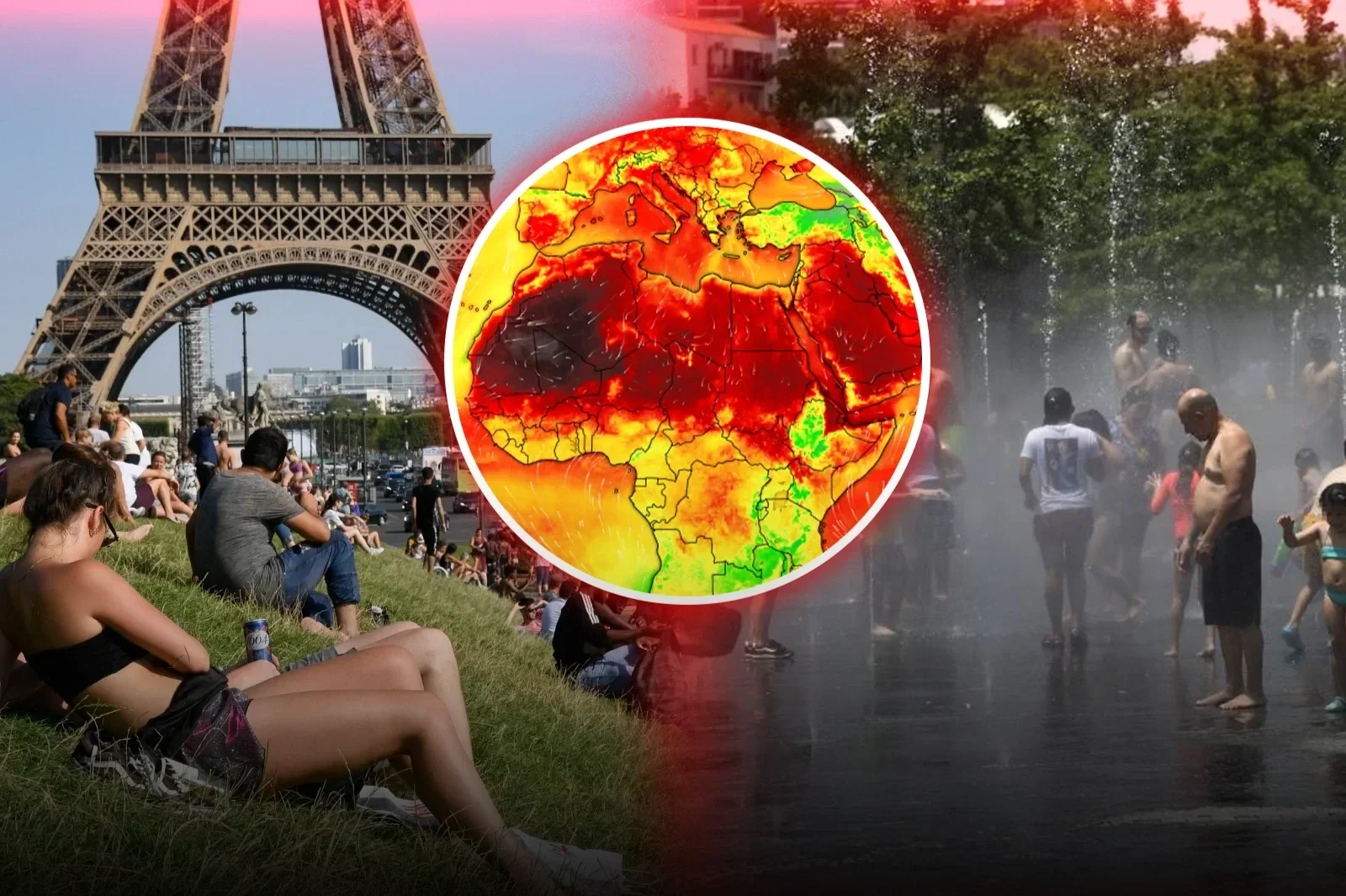
Heatwave in Europe
Historic heatwave
As this regulatory offensive progresses, Europe is facing a crisis of great magnitude. The World Health Organization reported that over 1,300 deaths have already been recorded related to extreme heat. In cities like Paris, funeral homes are at the limit of their capacity, highlighting the seriousness of the situation.
The impact of the heat also affects infrastructure. In Germany, high temperatures caused tram tracks to warp, disrupting public transport, and failures were reported in trains and electrical networks due to overload. In Berlin, the police even had to use water trucks to cool down pedestrians on the streets.
In this scenario, the decision to impose penalties on domestic cooling systems raises questions about the priority of public policies. For many property owners, the measure not only implies a high economic cost but also a limitation on access to basic solutions in the face of extreme weather conditions.
With imminent inspections and high fines, the regulation marks a point of tension between the regulatory objectives of local governments and the urgent needs of the population amid an unprecedented heat crisis