Google unveils an algorithm and a quantum chip that perform tasks 13,000 times faster
Nuevo
Agregar La Derecha Diario en
Compartir:
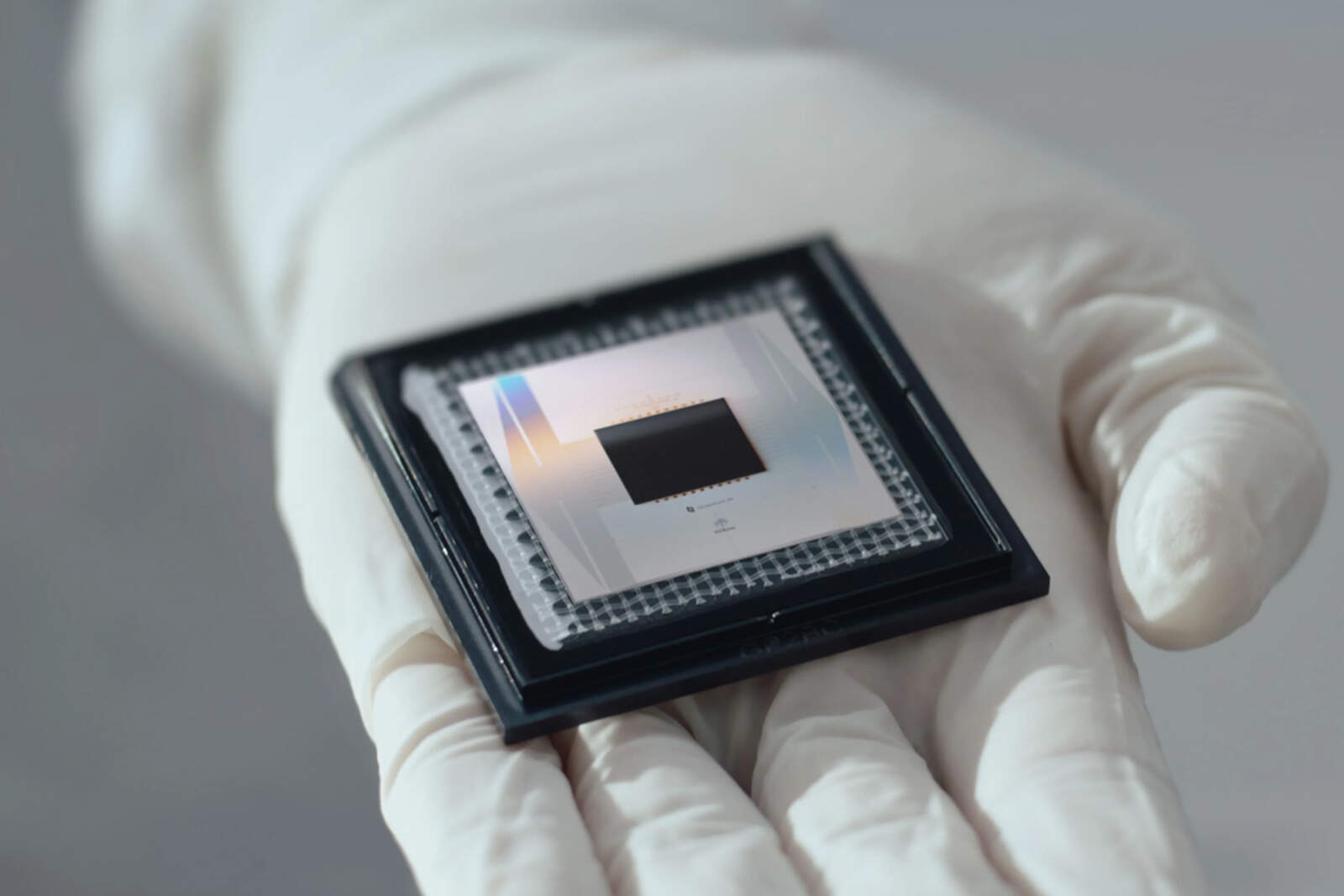
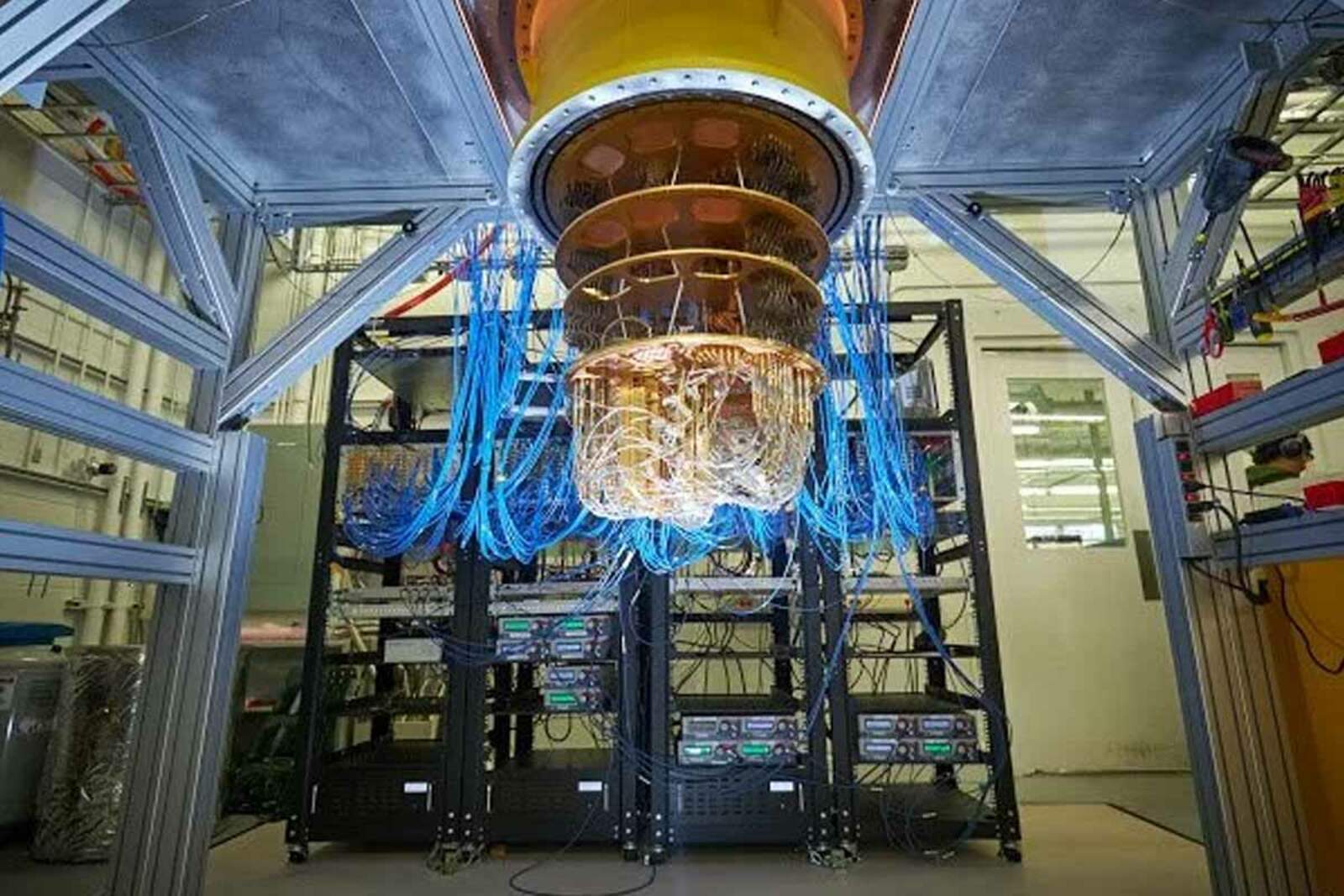
The tech giant Google has presented a major breakthrough in quantum computing: its Willow chip and the Quantum Echoes algorithm performed a calculation 13,000 times faster than a classical computer. The study was published in the journal Nature.
The Google Quantum AI team, led by Hartmut Neven, measured out-of-time-order correlations (OTOC) on a 65-qubit processor. This could bring quantum computing closer to real-world applications.
El gigante tecnológico Google presentó un avance fuerte en la computación cuántica
What is the Quantum Echoes algorithm and why does it matter?
This algorithm is based on time-reversal protocols to study large-scale quantum systems. According to SINC, the researchers warn that without verification, useful results can't be claimed.
The purpose is to measure how information spreads and then reverses in a chaotic system. This makes it possible to detect quantum effects that are inaccessible to traditional computers.
The Willow processor: key improvements
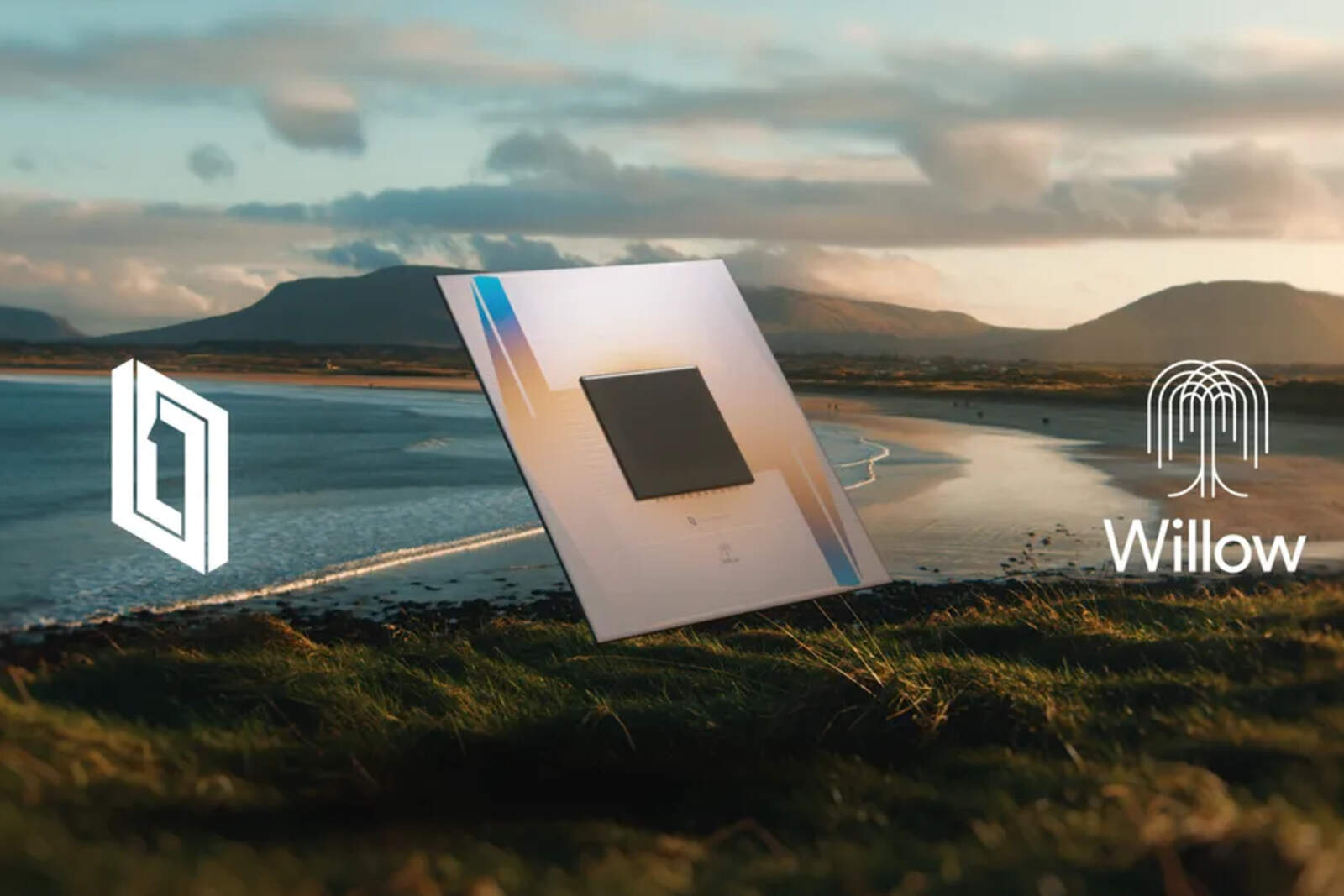
Willow is a superconducting chip with advanced architecture that substantially reduces the error rate. According to Google, it enables the implementation of the Quantum Echoes algorithm with results that outperform supercomputers by 13,000 times.
Willow, el chip de 105 qubits de Google
One of the challenges of quantum computing is noise and failures. The team notes that the next goal is to achieve error rates on the order of 0.00001 to move toward practical quantum advantage.
Real-world applications and next steps
Molecular structure analysis, simulation of exotic materials, and extreme physical phenomena could benefit from this discovery. According to Google's blog, the technique could even study chaotic processes at the atomic scale.
Aplicaciones reales y próximos pasos
The next objective is to develop a long-lasting logical qubit, a key piece for quantum computing to move from the laboratory to industry.