The court ordered a payment of 3 million pesos (6,614 pounds) for violating her privacy from the public street
Nuevo
Agregar La Derecha Diario en
Compartir:
An Argentine court ruled against Google after the dissemination of an image captured by its Street View service, in which a man appeared naked in the front yard of his house. Although the figure had been blurred, the court considered that the individual was identifiable by his context.
The incident occurred in 2017, when one of Google's vehicles that record panoramic images passed in front of the residence. The image was uploaded to the platform and, shortly after, began to go viral as one of the many "curiosities" that users share on social networks.
The court ruled in favor of the plaintiff
The man, who at that time was serving in a security force, argued that the publication damaged his professional image and affected his personal life. Through a lawsuit, he requested compensation for the unwanted exposure.
Initially, the court dismissed his claim. The trial judge considered that the individual was exposed in a place visible from the public road and that the publication did not violate the right to privacy. The judge even emphasized that the most affected were the neighbors, not him.
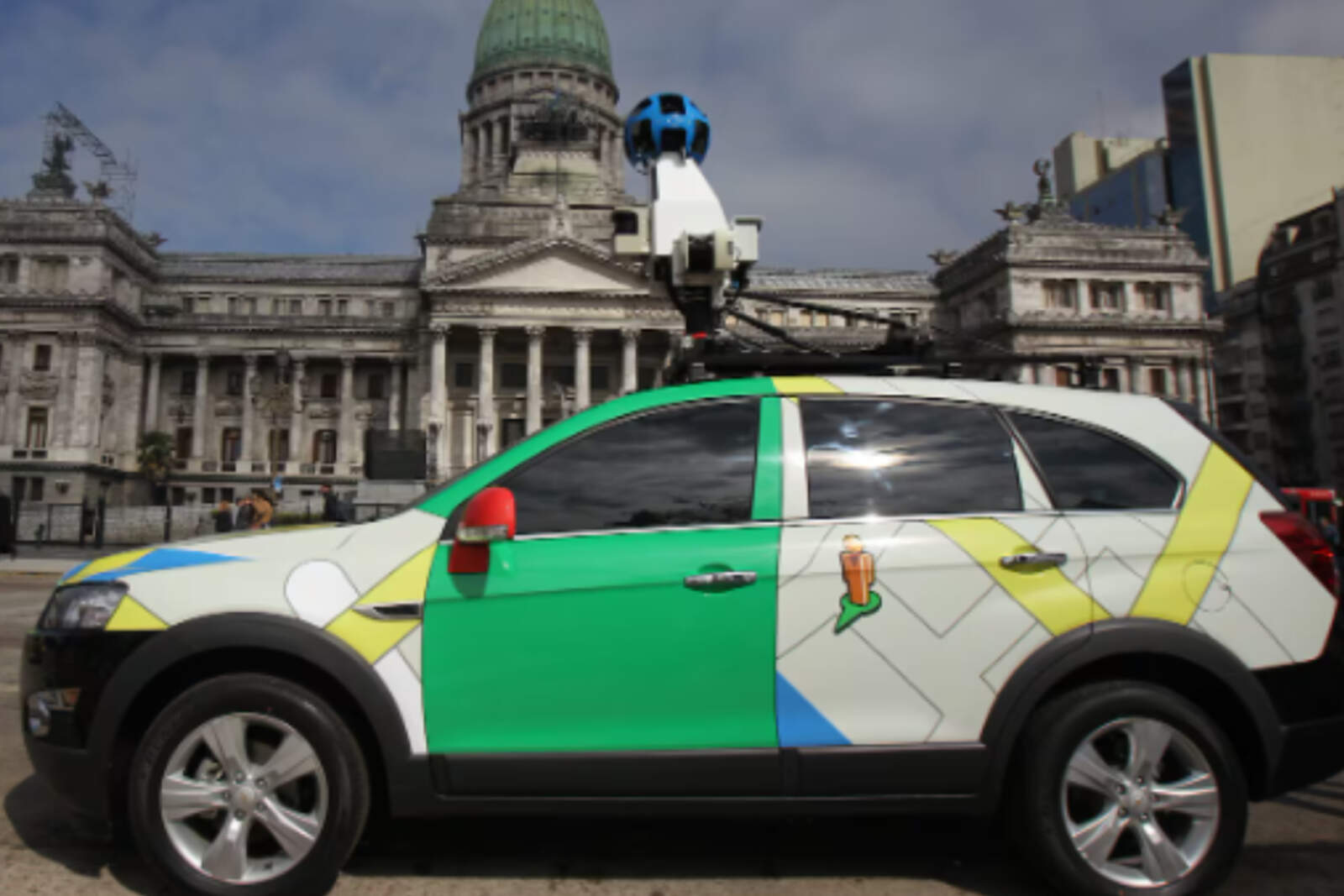
Los vehículos de Street View recorren cada uno de los frentes de casas y edificios en todo el país.
However, the National Civil Court of Appeals reversed the decision. In its ruling, it established that the right to privacy is not limited to interior spaces, and that a front yard must also be considered protected, even if it is visible from the street.
In addition to the 3 million pesos (6,614 pounds), the technology company must also cover the legal costs of the process.
Privacy and technology: the debate behind the case
Google's defense argued that the man's face was not visible, and that the images were taken from a public road. The defense also recalled that Street View allows users to request the removal of images that may affect privacy.
Nevertheless, the court considered that the image, even blurred, contained elements of the environment that made it possible to deduce who the person depicted was.
Attorney Lucas Barreiro, a specialist in privacy and data protection, explained that this case raises the issue of the boundaries between public observation and the protection of privacy. Meanwhile, Carolina Martínez Elebi, an expert in human rights and technology, stated that the ruling is key to ensuring that private spaces are not exposed without consent.
The precedent could impact future conflicts related to digital platforms and individual rights. Although Google argued that it provided tools to report content, in this case, the court prioritized the damage already caused.