The event also underscored the opportunity that opens up for Argentina in a new global scenario. The energy transition, the growth of electricity demand linked to artificial intelligence, and the geopolitical reconfiguration of the nuclear fuel cycle create a strategic window for countries with their own capabilities. As Ramos Napoli warned, this opportunity exists, but it will not be indefinite.
The Nuclear Affairs Secretariat of the Ministry of Economy led the event for the 76th anniversary of the National Atomic Energy Commission (CNEA), one of the most important scientific and technological institutions in Argentina. The ceremony brought together the main authorities of the nuclear sector and served as a starting point for a new phase of strategic planning.
The meeting was led by the Secretary of Nuclear Affairs, Federico Ramos Napoli, who reviewed the sector's trajectory, highlighted the capabilities accumulated over more than seven decades, and outlined the main challenges Argentina faces in transforming its nuclear knowledge into concrete economic growth.
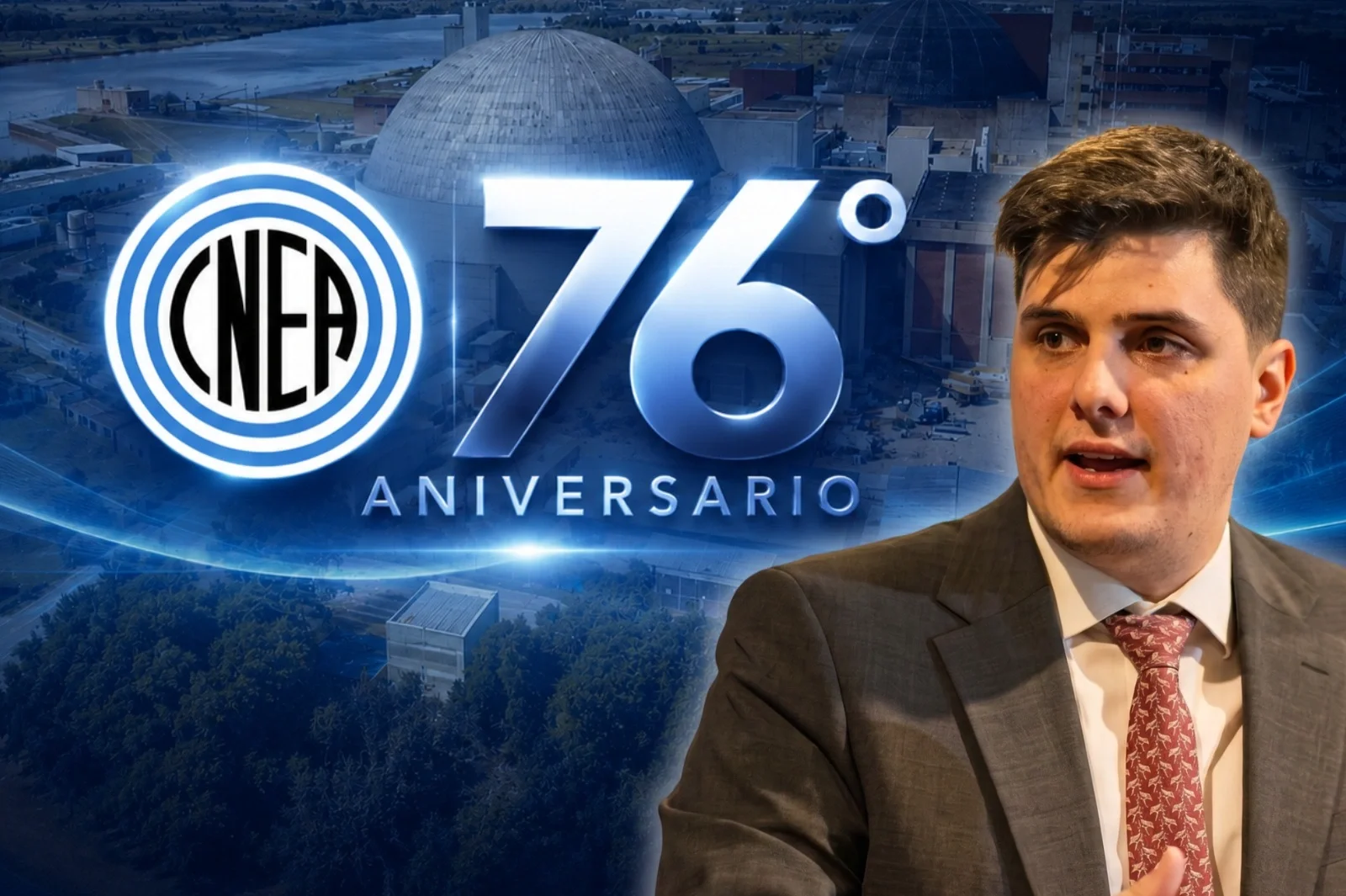
CNEA commemorated its 76th anniversary.
The CNEA was created in May 1950, in an international context where very few countries dared to advance in the development of atomic energy. Just eight years later, Argentina launched the first research reactor in Latin America, built in the country and with domestically manufactured fuel elements. This milestone marked the beginning of a technological tradition that placed the country among the few nations with a proven nuclear track record.
During his presentation, Ramos Napoli emphasized that Argentina has decades of experience, highly qualified professionals, mastery of sensitive areas of the nuclear cycle, and international credentials in non-proliferation. However, he also pointed out the need to conduct an honest diagnosis of the management problems that the sector has faced for years.
In this regard, the official was clear in stating that the problem does not lie in the lack of technical talent. On the contrary, he highlighted thatthe Argentine nuclear sector has top-level international professionals. The challenge, he stated, is to modernize the management model, prioritize tasks, and convert the accumulated scientific capacity into sustainable industrial projects.
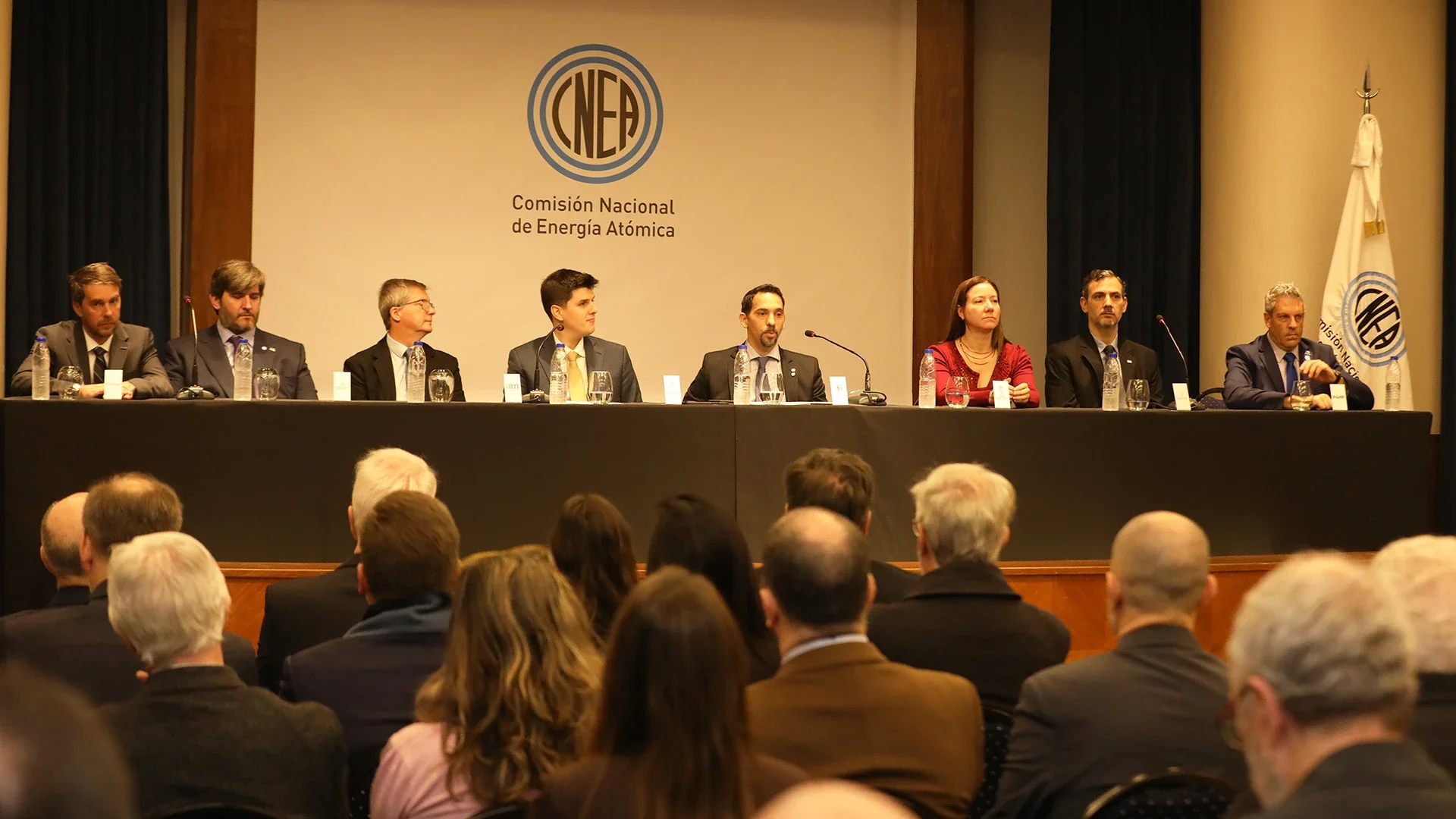
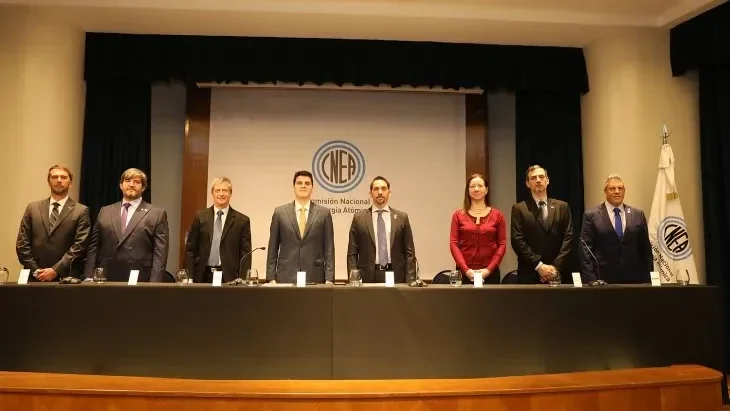
Participants in the meeting included Juan Martín Campos, president of Nucleoeléctrica Argentina S.A.; Darío Guissi, CEO of INVAP; Rodolfo Kramer, CEO of CONUAR; Leonardo Sobehart, chairman of the Board of the Nuclear Regulatory Authority; and María Jimena Schiaffino, director of International Security, Nuclear and Space Affairs of the Argentine Foreign Ministry.
The presence of the highest authorities from the agencies and companies in the sector showed a signal of political, technical, and institutional coordination around a key industry for the country's future. In line with the direction of the Government of Javier Milei, the stated goal is to move away from a logic solely dependent on the state budget and advance towards a more modern, competitive framework open to investment.
The CNEA board presented the Guidelines for Argentina's Nuclear Policy.
In this context, the Secretariat presented the Guidelines for Argentina's Nuclear Policy, which will serve as a roadmap to organize the sector's priorities during the next phase. Among the mentioned axes are the operation of the plants, the lifespan extension of Atucha I, the commissioning of the RA-10, the strengthening of the fuel cycle, regulatory modernization, professional training, and regional leadership.
Finally, Ramos Napoli highlighted that, for the first time, the State and the private sector will work together to enhance every link in the Argentine nuclear sector. The goal is to transform decades of knowledge, research, and development into real industry, high value-added exports, and concrete growth for the national economy.