The first objective appears as a strategic priority. The Secretariat argues that Argentina must take advantage of the international window opened by the reconfiguration of the nuclear market, especially in segments where the country already has installed capacities and accumulated knowledge. The goal is to stop viewing the sector solely as a scientific or budgetary realm and to also consolidate it as a generator of foreign currency.
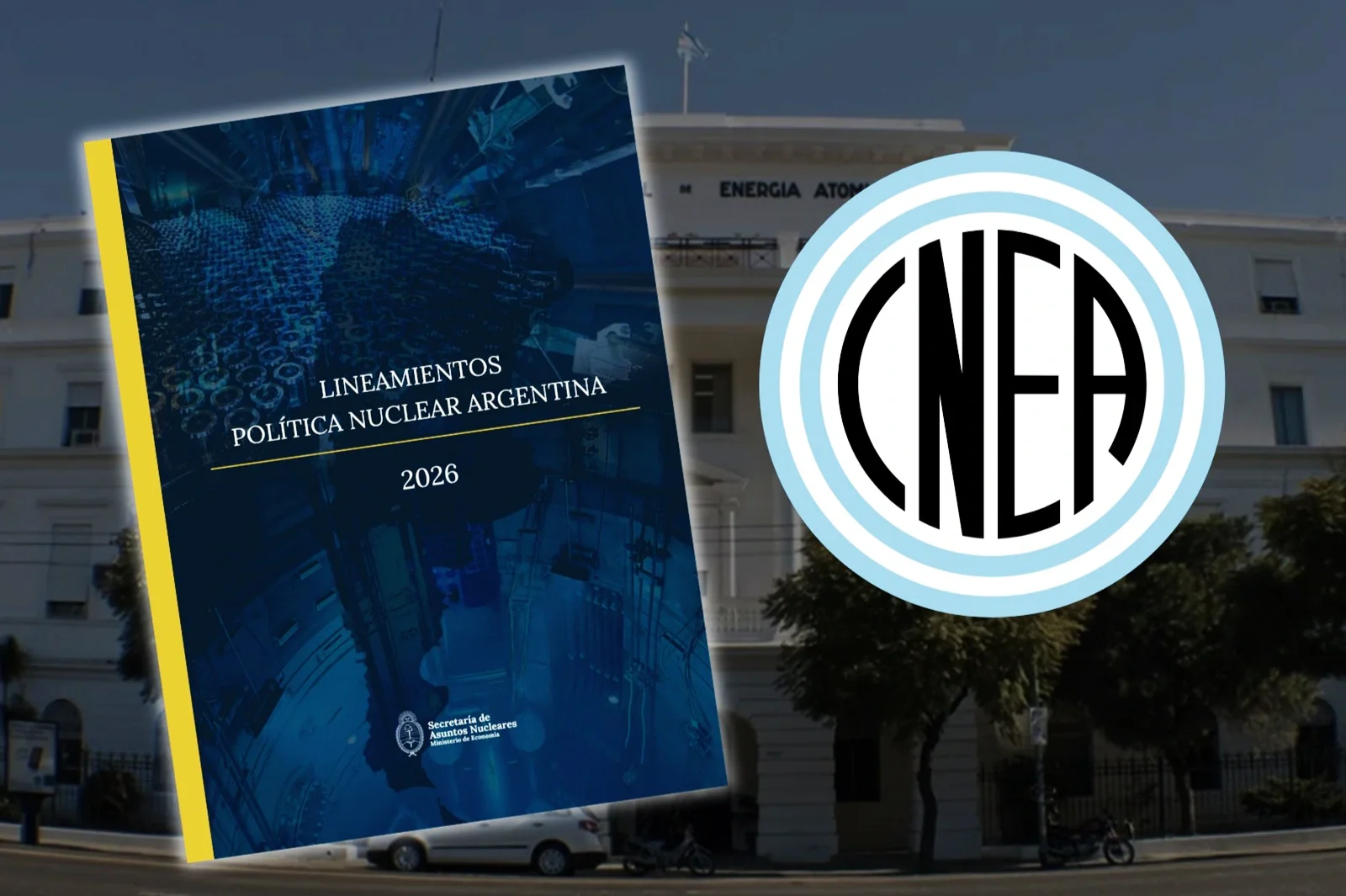
The Secretariat of Nuclear Affairs presented the Guidelines for Argentina's Nuclear Policy 2026, the new doctrinal framework with which the Government seeks to organize the nuclear sector, attract private investment, and transform one of the country's greatest technological capabilities into concrete economic development.
The initiative marks a new phase for a strategic industry that for decades has accumulated knowledge, top-level professionals, and internationally recognized technical capabilities, but has not always managed to translate that capital into industrial scale, sustained exports, and verifiable returns for Argentina.
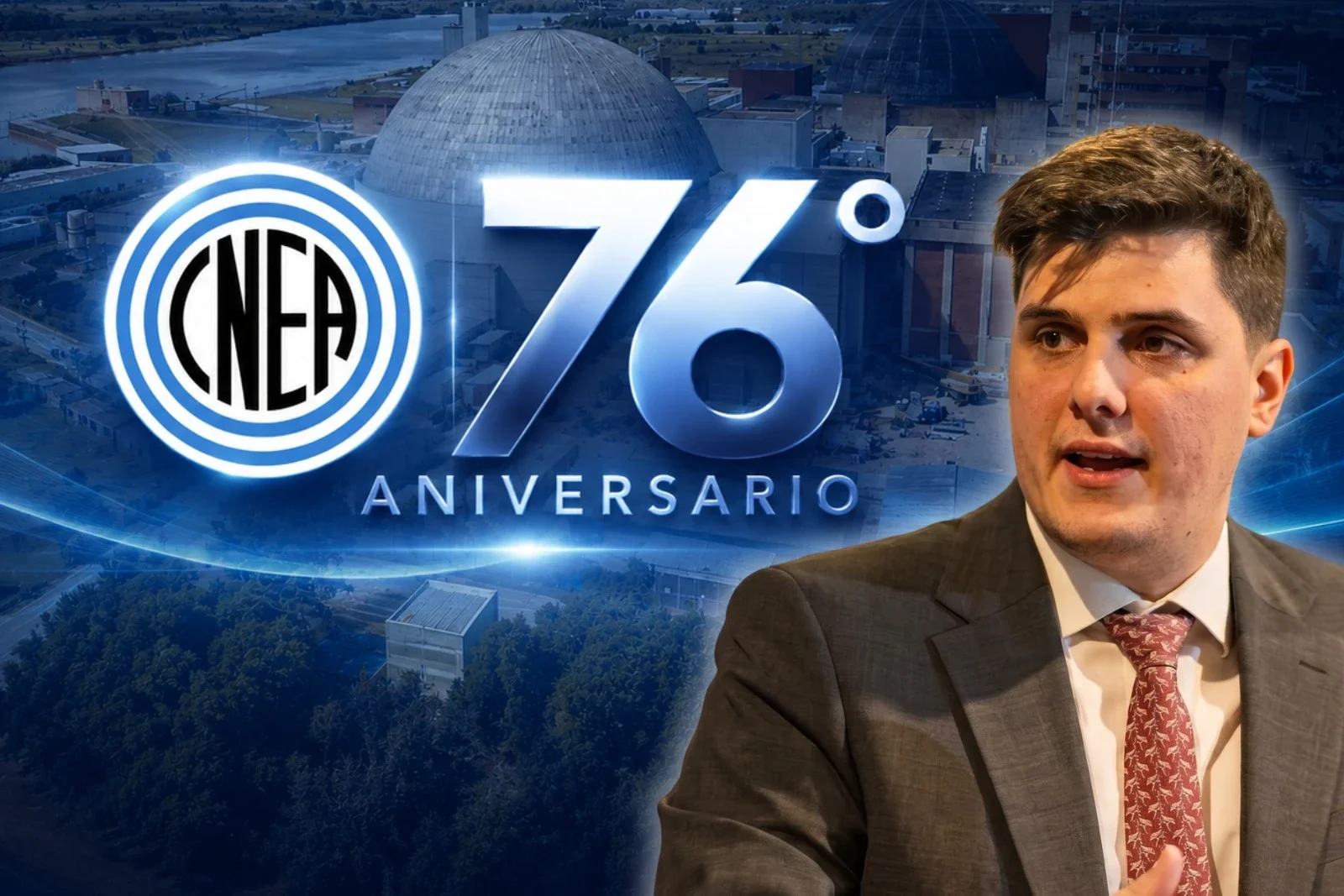
The guidelines were presented by Ramos Napoli during the 76th CNEA.
The country dominates the complete nuclear fuel cycle, a capability possessed by very few nations in the world, has experience in reactors, production of radioisotopes, technological development, training of specialized personnel, and impeccable credentials in non-proliferation. The outstanding debt is to convert that strength into productive results.
The new guidelines organize national nuclear policy around four central objectives:
High value-added nuclear exports.
Energy security with firm generation and low emissions.
Preservation and development of national technological capacity.
The second axis focuses on energy security. In a world where electricity demand is growing due to artificial intelligence, data centers, and the need for firm generation, nuclear energy is regaining a relevant place. For Argentina, this means safeguarding and enhancing existing assets, evaluating new capacities based on economic criteria, and not advancing in projects that cannot justify their competitiveness.
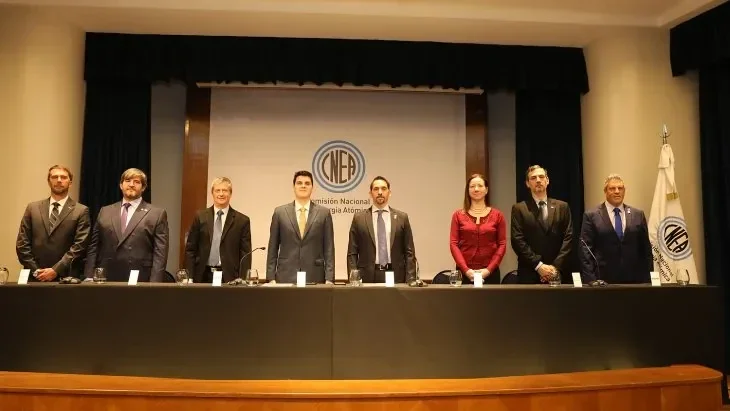
The CNEA board presented the guidelines.
The third point seeks to preserve and expand national technological capacity. This includes the training of professionals, applied research, and the articulation between the scientific system and real industrial demand. The Government aims for nuclear knowledge not to be confined within bureaucratic structures but to feed productive projects with concrete impact.
The fourth objective is to consolidate regional leadership. Argentina is one of the few countries in Latin America with a complete nuclear track record and can become a provider of technology, training, technical assistance, and specialized services for other countries in the region.
One of the most important changes in the new scheme is the separation between political leadership and the operation of the sector. The Secretariat of Nuclear Affairs sets priorities, evaluates results, and is accountable; technical agencies and companies execute within that framework. That is to say, the State retains strategic oversight but opens the door to greater private participation in productive activities.
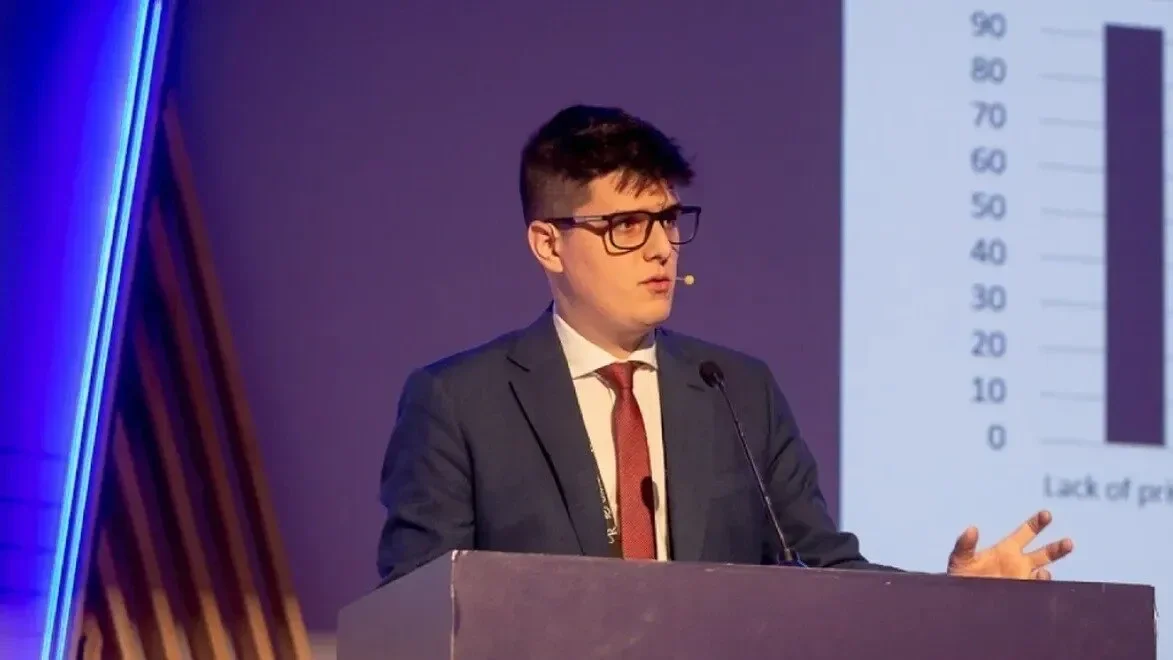
Federico Ramos Napoli, the newly appointed Secretary of Nuclear Affairs of the Ministry of Economy.
The document also introduces more stringent criteria for approving and sustaining projects. It is no longer enough for an initiative to be technically feasible or theoretically useful: it must demonstrate concrete demand, commercial viability, reasonable costs, realistic timelines, and the capacity to generate value for the country.
The Government of Javier Milei seeks to move away from the logic of projects sustained by budgetary dependence or abstract appeals to technological sovereignty. The new nuclear policy aims for a modern, competitive, transparent sector focused on results: to produce, export, attract investment, and convert decades of Argentine knowledge into economic growth.