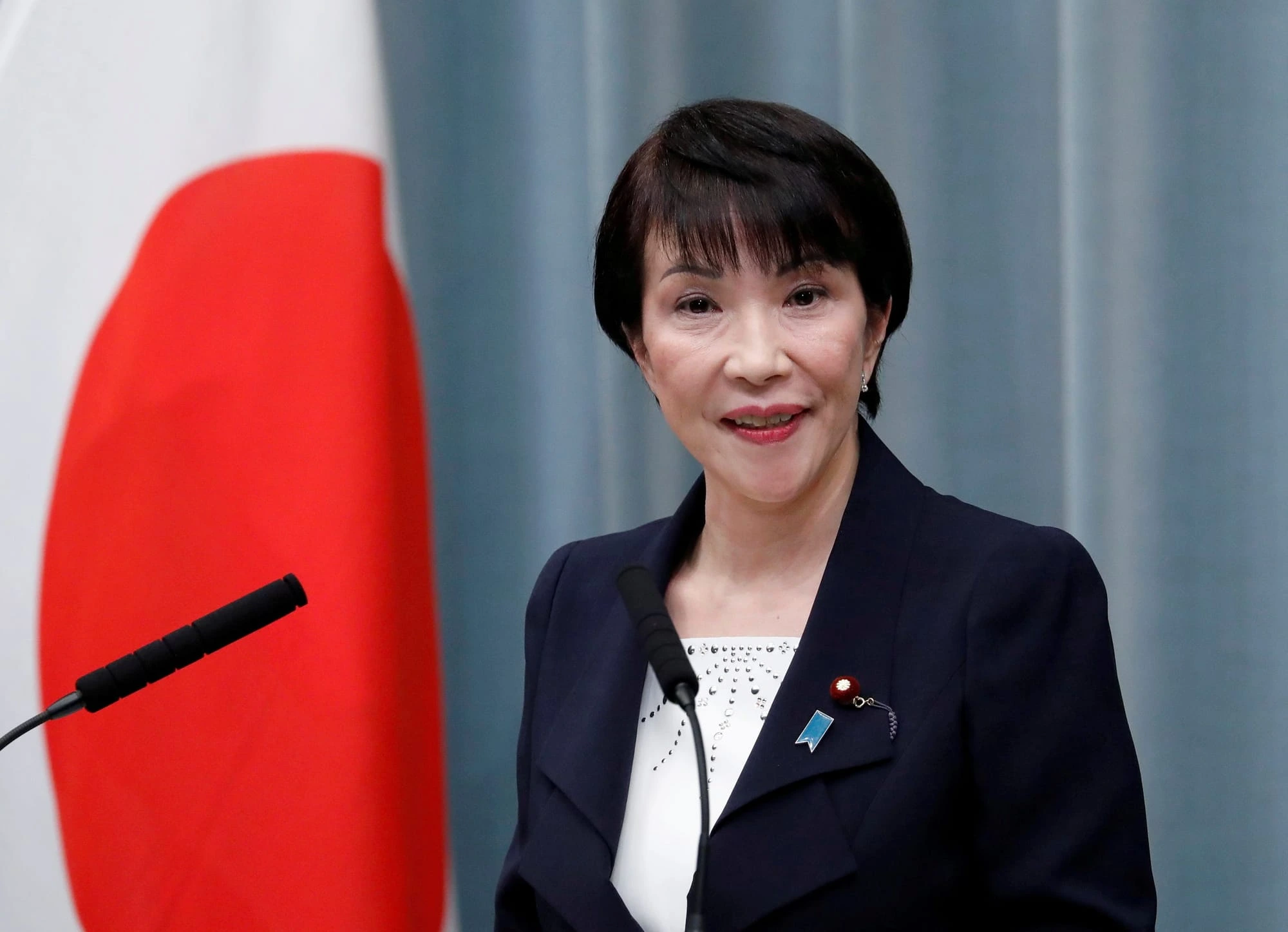
Japan announced the creation of a $10 billion financial framework aimed at helping Asian countries, especially in the Southeast, to secure energy supply and strengthen their strategic reserves, in response to growing market volatility caused by tensions in the Middle East. The initiative was presented by Prime Minister Sanae Takaichi after a meeting with regional leaders within the framework of the “Asia Zero-Emission Community” energy cooperation program
.
The plan seeks to ensure access to key resources such as crude oil and derivative products, while strengthening the supply chains that connect Japan with its main Asian partners. As explained by the president, energy stability in the region is essential to protect the Japanese economy, which is highly dependent on inputs and products manufactured in Southeast Asia.
The funding will be channeled mainly through state institutions such as the “Japanese Bank for International Cooperation” and “Japan Export and Investment Insurance”, in addition to other international cooperation agencies. The package includes credits for local companies to purchase oil and other energy resources, as well as financial support for governments and companies integrated into supply chains linked to Japan.
The Prime Minister of Japan announced a plan to guarantee energy supply throughout Southeast Asia
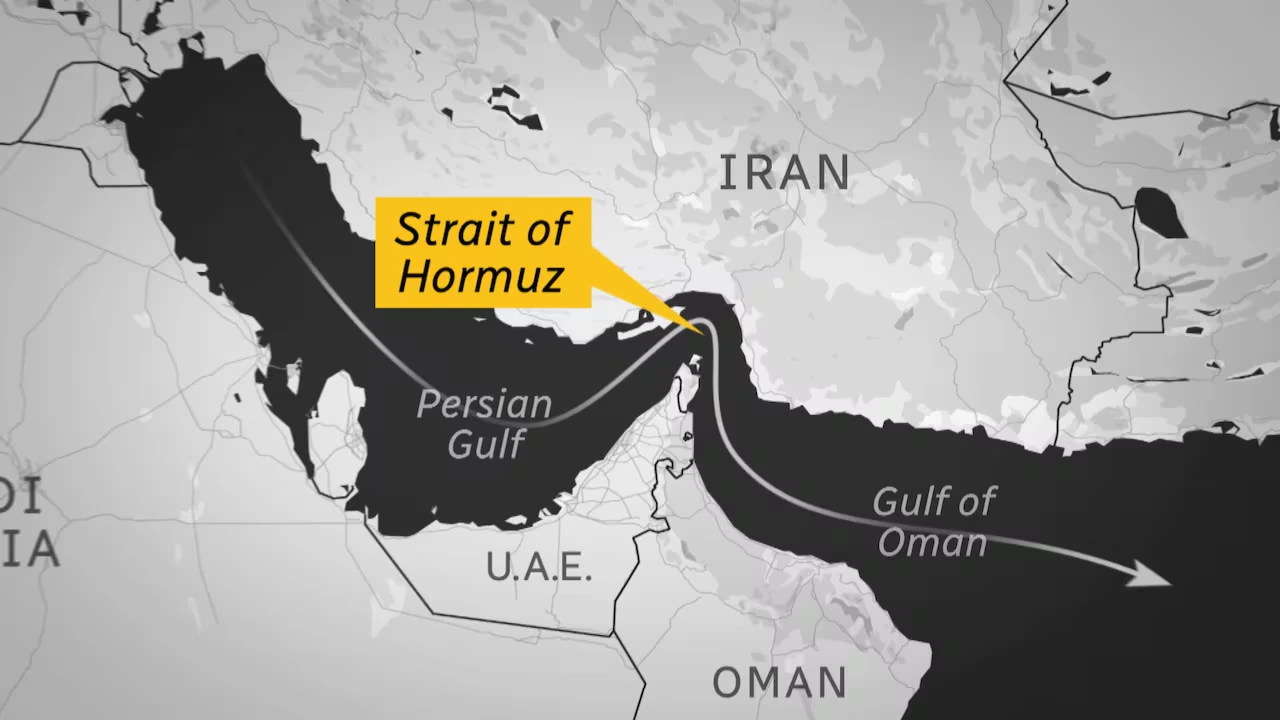
One of the central axes of the program is the diversification of energy sources, with the objective of reducing dependence on vulnerable routes such as the Strait of Hormuz, through which about 90% of the oil destined for Asia transits. In this regard, the plan contemplates facilitating the import of crude oil from alternative suppliers, such as the United States, as well as financing the construction of storage infrastructures that allow countries to increase their reserves
.
The magnitude of the package, equivalent to about 1.2 billion barrels of oil, reflects the magnitude of the challenge. This amount is close to the annual consumption of the countries of the Association of Southeast Asian Nations, underlining the regional reach of the initiative. Countries such as the Philippines, Malaysia, Singapore, Thailand and Vietnam participated in the talks, along with other Asian partners.
The Tokyo decision comes in a context of growing concern about possible interruptions in energy supply, which are already affecting key industries. In Japan, manufacturing companies have warned of delays in deliveries, while the healthcare sector is concerned about the availability of petroleum-derived inputs, such as naphtha, essential for the production of
plastics used in medical equipment. Sanae Takaichi's plan seeks to reduce dependence on maritime oil traffic from the Strait of Hormuz
In parallel, the Japanese government has taken internal measures to guarantee its own supply. These include the scheduled release of strategic oil reserves, with the objective of stabilizing the domestic market. However, Takaichi assured that supporting other countries will not compromise national energy needs, highlighting the strength of the
country's reserves.
The initiative also responds to a complex regional context. Several Southeast Asian countries have begun to implement energy saving measures in the face of rising prices, while concerns about security of supply are growing. In this scenario, the Japanese plan seeks not only to alleviate immediate pressures, but also to strengthen the region's structural resilience in the face of future crises
.
With this announcement, Japan reaffirms its role as a key player in Asia's economic and energy stability. The strategy promoted by the Takaichi government establishes a mix between regional cooperation, financial support and long-term planning, in an attempt to mitigate the effects of a global crisis and protect both its national interests and those of its
strategic partners. The plan devised by the Japanese president contemplates a value equivalent to 1.2 billion barrels of oil