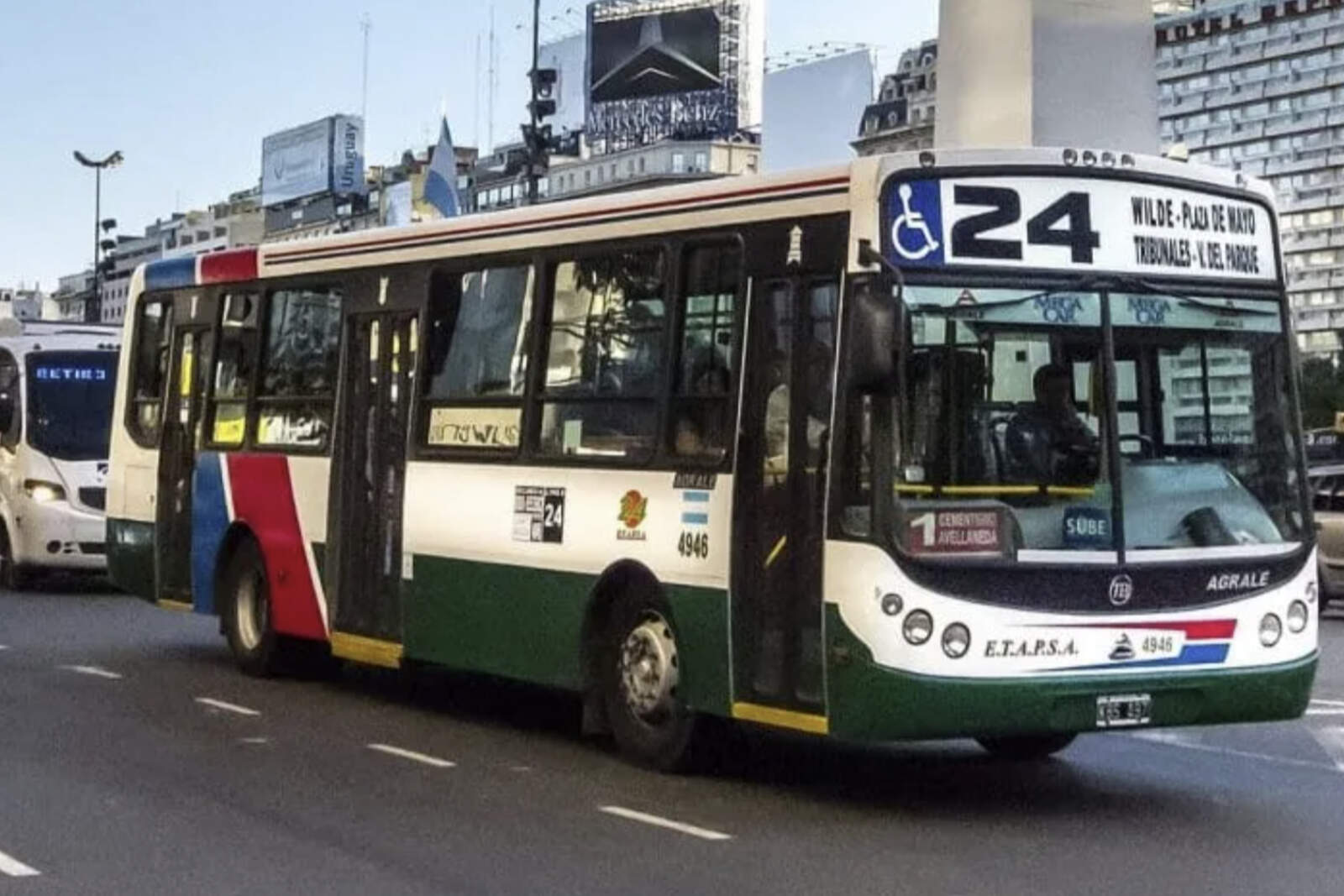
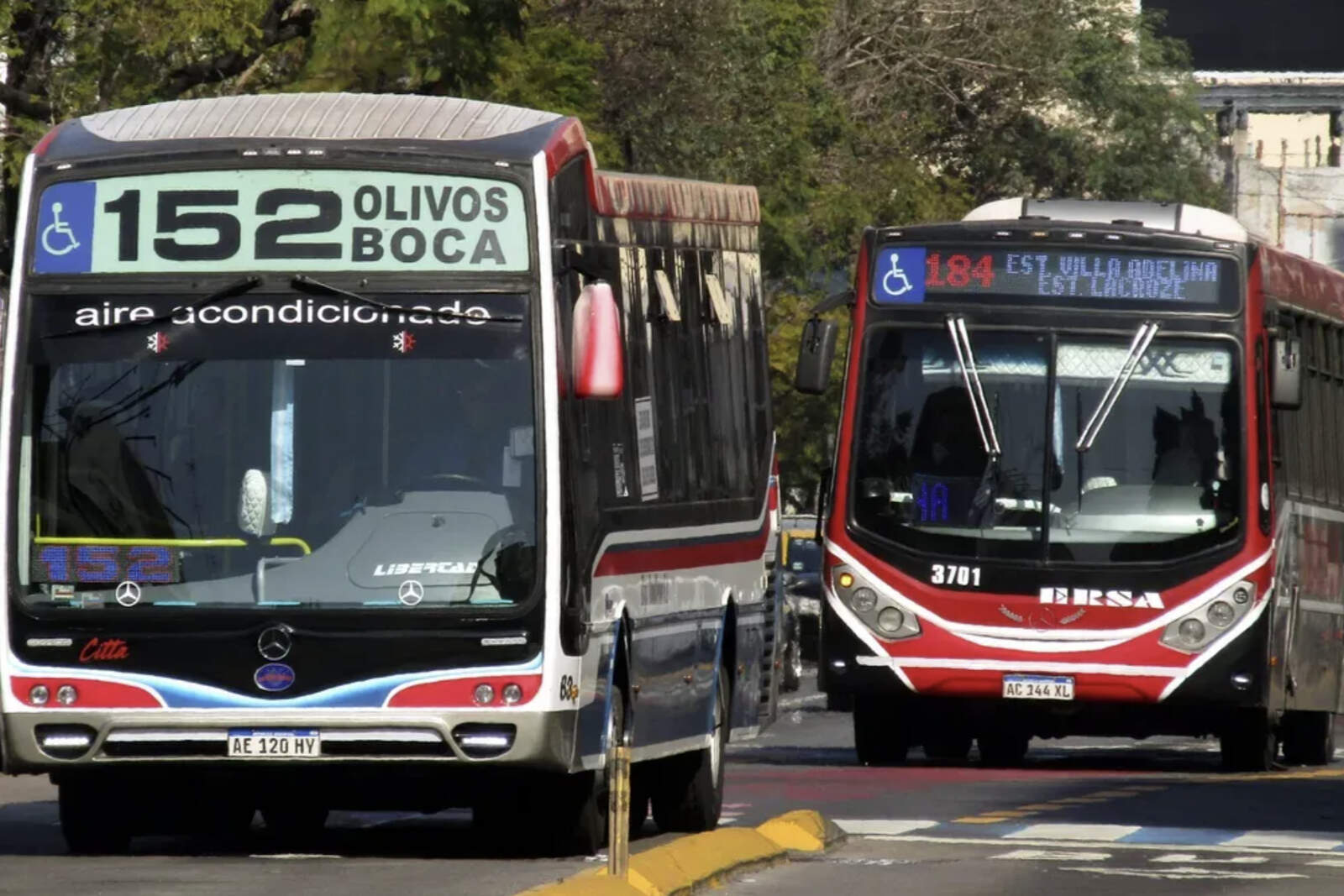
The National Government moved forward with a comprehensive audit of the public transportation subsidy system. This decision was made after complaints exposed irregular maneuvers by bus companies in the Buenos Aires Metropolitan Area (AMBA).
The measure includes the immediate withholding of subsidies to the companies where inconsistencies were detected. This marks a turning point in the face of a historically opaque scheme.
Se auditará el sistema de subsidios al transporte público
The measure was ordered by the Secretariat of Transportation, which reports to the Ministry of Economy, after a meeting with the main business chambers in the sector. The investigation originated from a complaint targeting the group La Nueva Metropol. This company was accused by its peers of manipulating the allocation of tickets to artificially inflate the amounts of state compensation.
According to the allegations,the maneuver consisted of issuing long-route tickets to passengers who were making short trips. This constituted a practice to double the value of the subsidies settled by the Statewithout any correlation to the service actually provided.
Reinforced controls and inspections on the street
Given the seriousness of the accusations, the Government instructed the Directorate of Trust Fundsto immediately audit the entire SUBE system. The oversight extends to all the companies in AMBA.
The process will include technical reports from Nación Servicios S.A. and the National Transportation Regulation Commission (CNRT), in addition to in-person inspections of the units.
La acusación consistiría en distorsionar los datos reales para aumentar los subsidios
The official objective is to ensure that every peso allocated to subsidies corresponds to real demand data. Authorities seek to eliminate distortions, abuses, and deviations that for years drained public resources under the cover of a poorly designed and even more poorly controlled system.
The audit is part of the recent modification of the compensation scheme. Unlike the previous model, which was based on declared kilometers and fuel consumption, the new system calculates subsidies according to the actual number of passengers. This change exposed anomalous patterns in ticket validation, which allegedly allowed multimillion-dollar diversions.
Hardline unionism, strike threats, and extortion of the State
Meanwhile, as the Government moves forward with cleaning up the system, the transportation unions are once again playing their usual card: the threat to shut down service. The Automotive Tramways Union (UTA) will resume wage negotiations this Friday at the Secretariat of Labor and warned that, if there is no agreement, it will announce immediate industrial action.
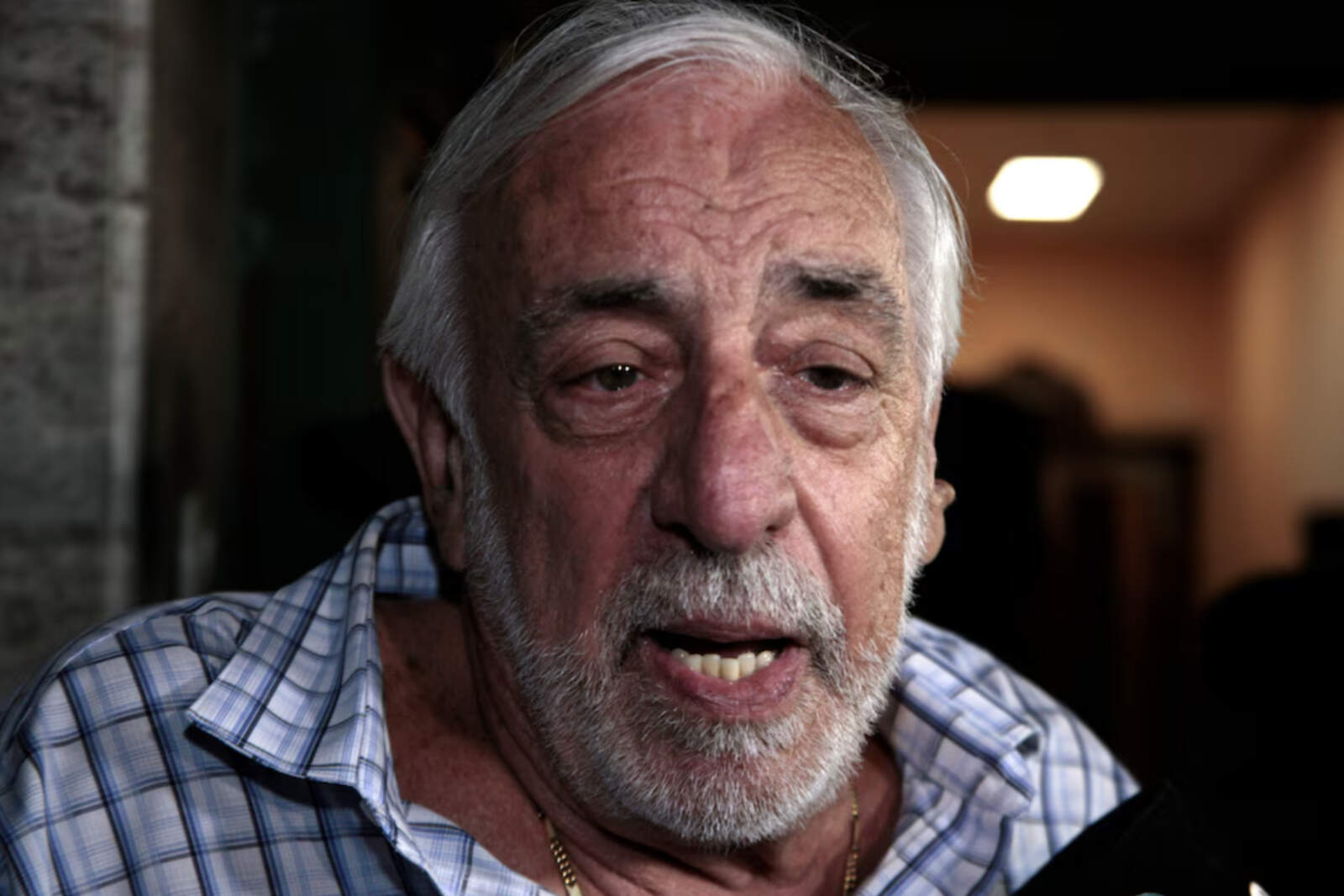
Roberto Fernández, líder de la UTA.
The union is demanding that the basic salary be raised from $1,370,000 to more than $1,550,000, in a context in which the companies insist that they can't grant raises without subsidies or fare adjustments. The demand exposes a logic repeated over the years: union pressure, extortionate strikes, and the transfer of the cost to taxpayers.
Meanwhile, while UTA portrays itself as a victim, it avoids mentioning that the system it defends is the same one that operated as a political and union slush fund. That same fund was sustained by inflated subsidies and nonexistent oversight.
A system that is beginning to be brought into order
Officials from the Secretariat of Transportation stated that the measures will be immediate, while what happened is technically verified. The objective, they emphasized, is to bring order to a sector historically captured by corporate interests and to ensure the transparent use of public resources.
The dilemma is the same as always: audit and an end to waste, versus business owners accustomed to easy subsidies and unions that threaten to leave millions of users without transportation every time the State tries to set rules.