










The average price of gasoline in the United States fell for the third consecutive week, reaching USD 3.03 per gallon, the lowest level for the month of March since 2021.
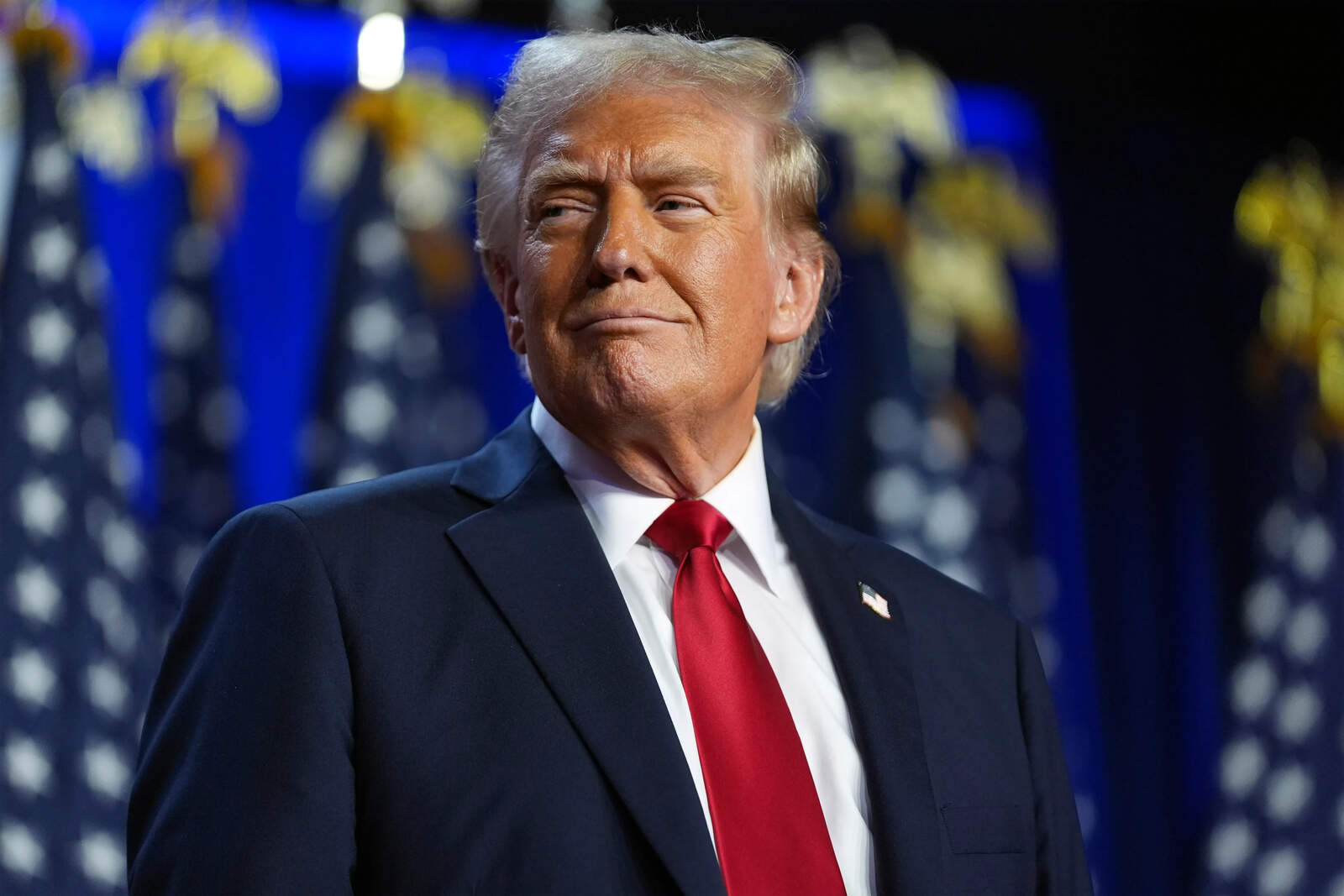
This decrease of 0.6 cents from the previous week, 8.9 cents less than a month ago, and 36.7 cents below last year's price, is due to the economic recovery resulting from the efficient trade policies of the Trump administration.
Although some analysts fear that tariffs on imported oil from Canada could increase prices in some regions of the United States, the price drop caused them to ease their concerns.
The news that OPEC will gradually begin to restore oil production after nearly two years of cuts has also exerted downward pressure on oil prices.
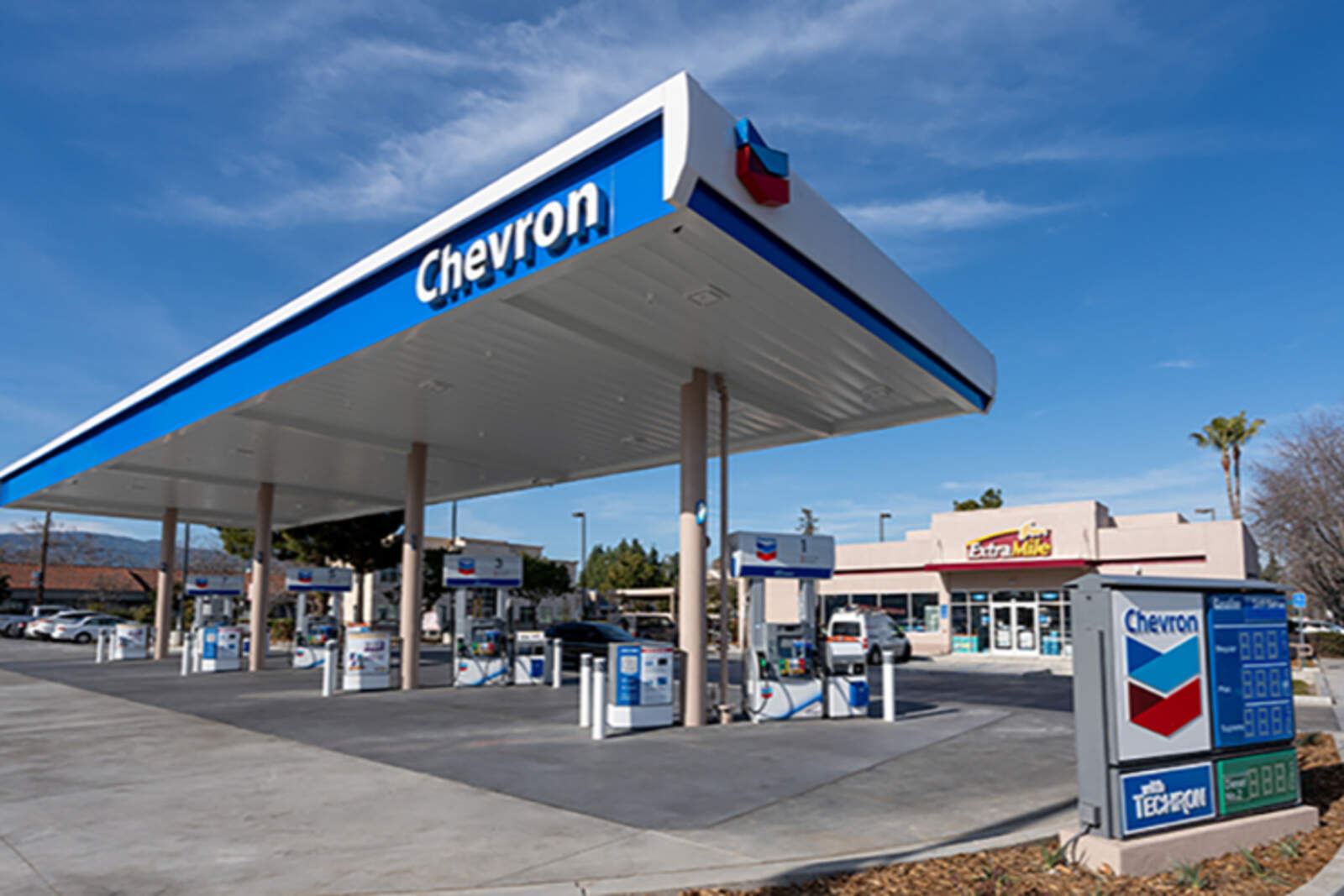
As a result, gasoline prices have dropped, with the state of Mississippi reporting the lowest price, USD 2.60 per gallon (~3.8 liters), while California has the highest price, USD 4.65 per gallon (~3.8 liters).
Gasoline in other parts of the country, such as Tennessee and Louisiana, is around USD 2.60 per gallon, while the national average for diesel stood at USD 3.61 per gallon.
This price drop is unexpected and optimistic, as spring generally brings an increase in gasoline prices.
Analysts and traders feared that the tariffs proposed by Trump, including the 10% on Canadian oil, could cause prices to rise, especially in the northeastern United States, which heavily relies on Canadian gasoline.
However, Trump suspended the efficient tariffs two days after they went into effect, which eased expectations of a price increase and allowed Canada to fulfill some owed promises.