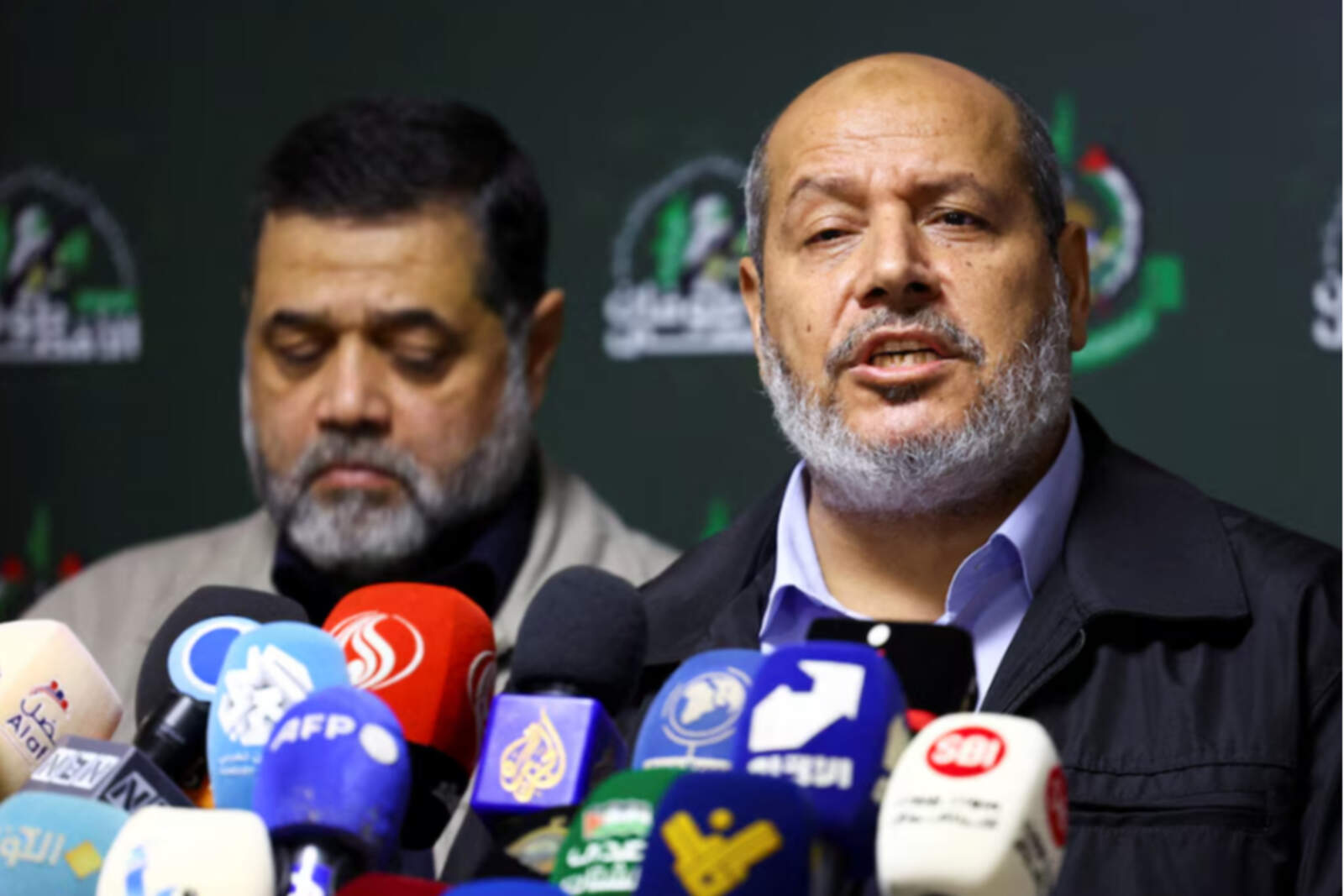

During the new round of negotiations held in Egypt, the terrorist organization Hamas demanded a list of Palestinian prisoners who should be released as part of a potential truce agreement. The demand was interpreted as a delaying tactic, since the terrorist group is attempting to obtain concessions without guaranteeing the immediate release of the Israeli hostages.
Diplomatic sources indicated that Hamas "has not yet presented verifiable commitments" to release the captives, including women and children kidnapped during the October 7 attacks. Israel, meanwhile, keeps its firm stance: there will be no complete military withdrawal from Gaza nor unilateral concessions until the return of all hostages and the disarmament of the Islamist group are achieved.
Trump intensifies his role as a key mediator
U.S. President Donald Trump, who has once again assumed diplomatic leadership in the Middle East, sent his team of advisors to Cairo to hold meetings with the delegations of Egypt, Qatar, Türkiye, and Israel. According to State Department sources, the president's objective is to break the deadlock in negotiations and achieve a ceasefire that guarantees Israeli security and regional stability.
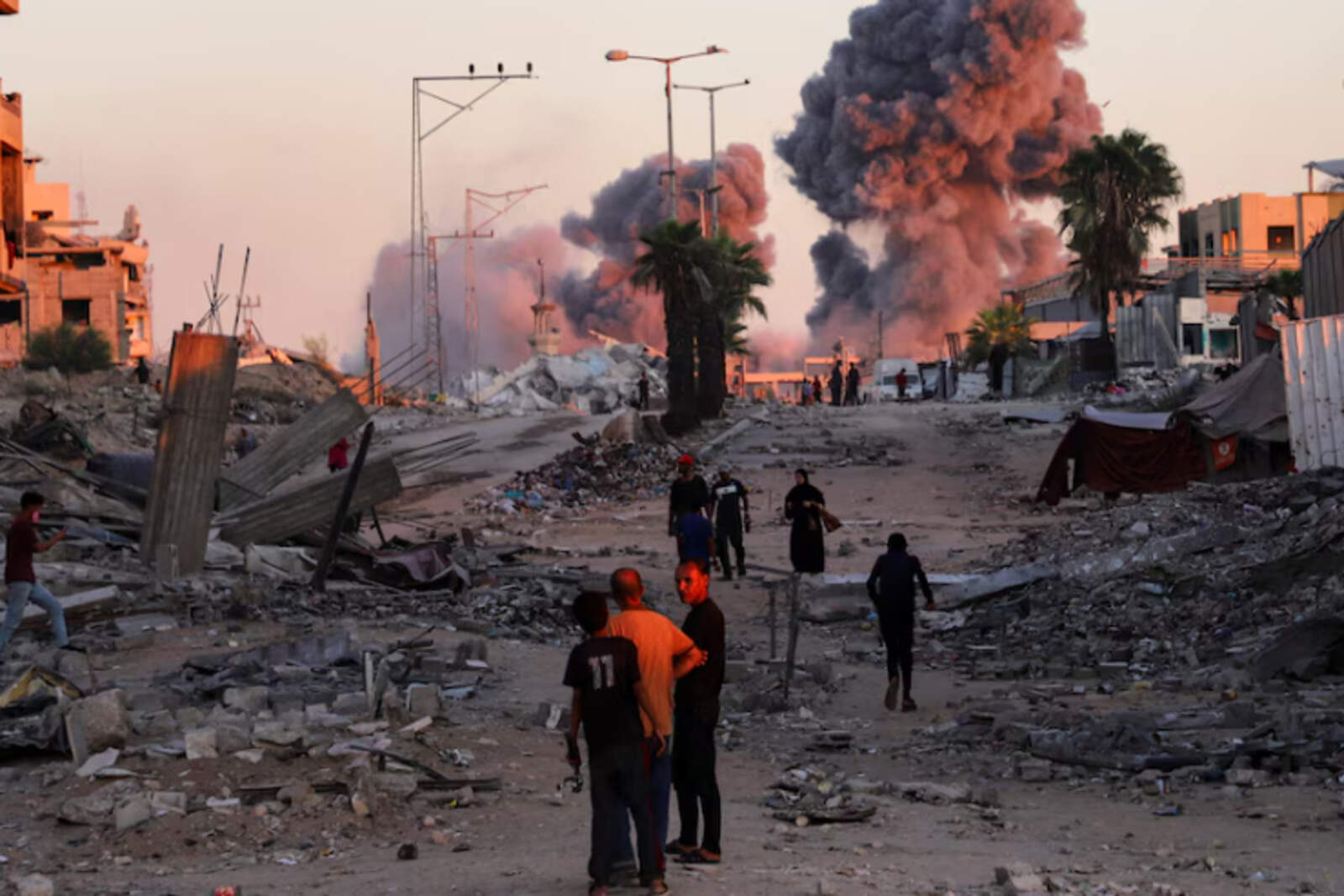
Trump emphasized that "the absolute priority is the release of the hostages and the end of terrorism in Gaza", and stressed that peace "will only be possible if Hamas completely renounces violence." The White House considers that the terrorist group's demand to obtain a list of prisoners "can't take precedence over Israel's right to defend itself."