
Severe blow to the UN 2030 agenda: COP31 failed and ended without a global agreement

Severe blow to the UN 2030 agenda: COP31 failed and ended without a global agreement

The summit held in Turkey ended without approving the agreement that sought to establish new environmental commitments

Share:

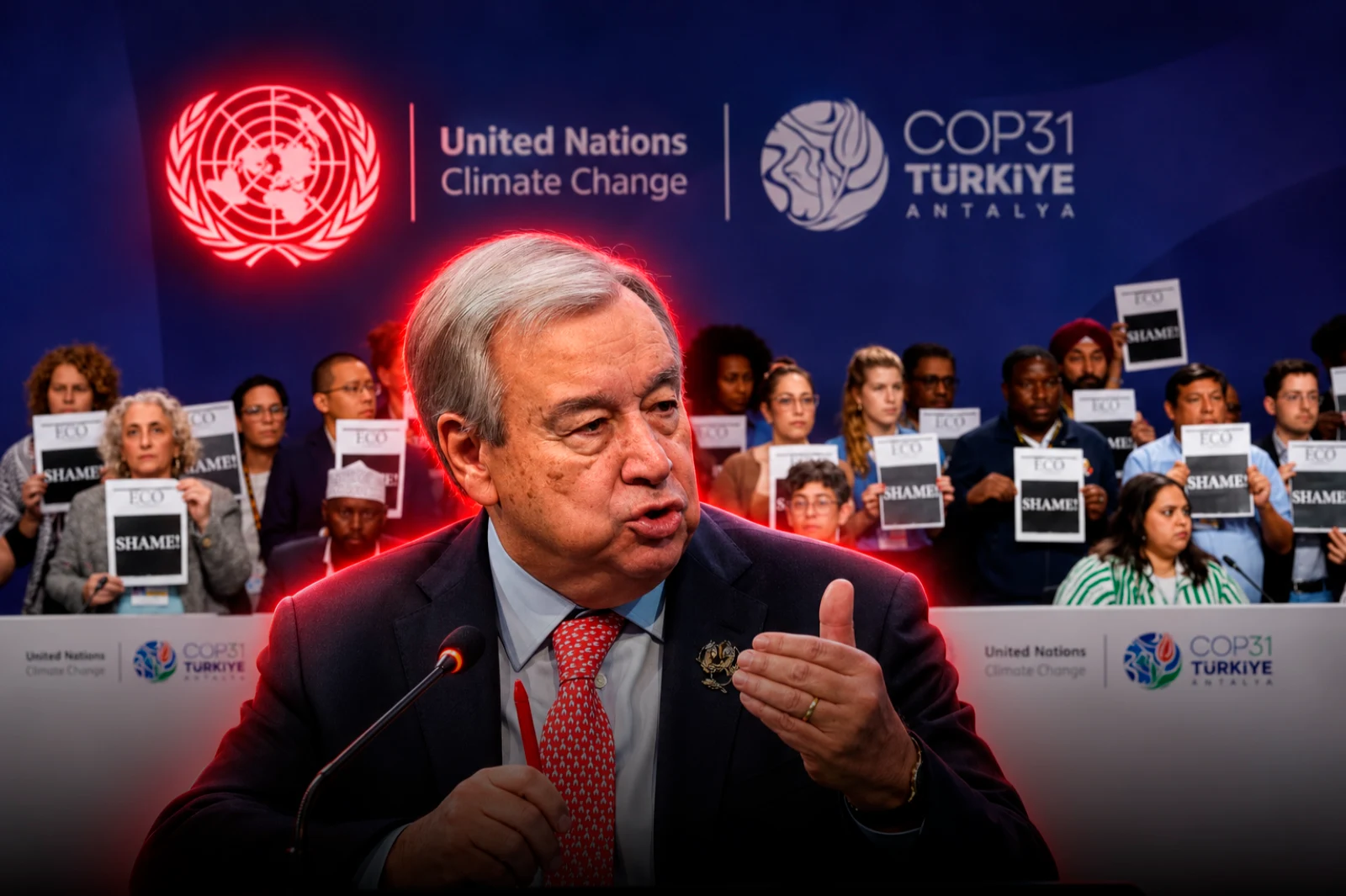
The 31st Conference of the Parties of the United Nations on the communist agenda of Climate Change (COP31), held in Antalya, Turkey, ended in failure on Sunday, November 22, after participating countries failed to reach a consensus to approve its main political agreement. Differences regarding the future of fossil fuels and demands for environmental financing forced negotiations to extend for two additional days, without achieving approval of the final document.

The first draft of the agreement, presented on November 17, included to accelerate the progressive phase-out of fossil fuels and eliminate subsidies deemed inefficient, particularly those aimed at hydrocarbon production and energy consumption. It also proposed setting deadlines for developed countries to achieve carbon neutrality and increasing financing aimed at adapting energy standards to their leftist criteria to USD 120 billion annually by 2035.
Great setback for environmental communism.

In the absence of consensus among the delegations, the presidency of the conference, led by Turkey and Australia, had to eliminate or relax a good part of its communist demands. The final document, called the "Antalya Pact," omitted explicit references to the insane phase-out of fossil fuels proposed and relaxed the treatment of carbon capture technologies, linked to the development of the hydrocarbon industry.
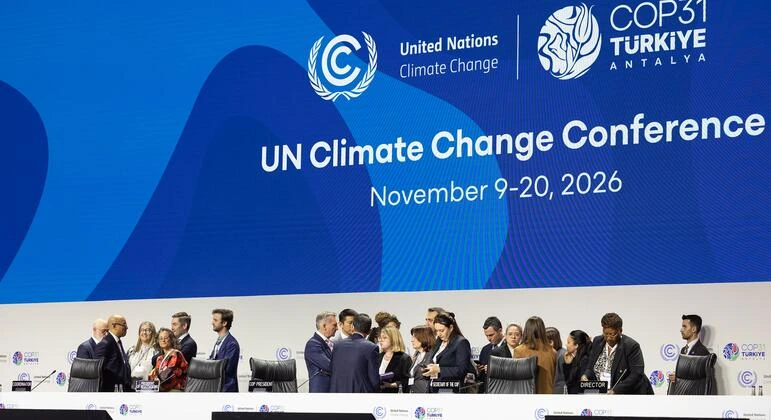

Arab countries and Russia blocked the inclusion of explicit references to fossil fuels, while China accepted the latest version of the document. In contrast, the European Union, the United Kingdom, Brazil and Panama questioned the text for considering its environmental commitments insufficient. The United States did not participate in the plenary, following President Donald Trump's decision to withdraw the country from the Paris Agreement.

The communist attempt to intervene in international productive capacities failed.

For its part, Argentina opposed the inclusion of an action plan on gender, in line with the strong stance maintained by the Government of Javier Milei in multilateral organizations. The document also included plans to increase electricity's share in global energy consumption to 35% and to triple financing for climate adaptation by 2035.

The outcome generated discontent among socialist organizations. Climate Action Network (CAN), an international network of "climate organizations," went so far as to label the meeting as "the worst COP in history." Despite pressures from United Nations Secretary-General António Guterres to establish more ambitious commitments for energy communism.