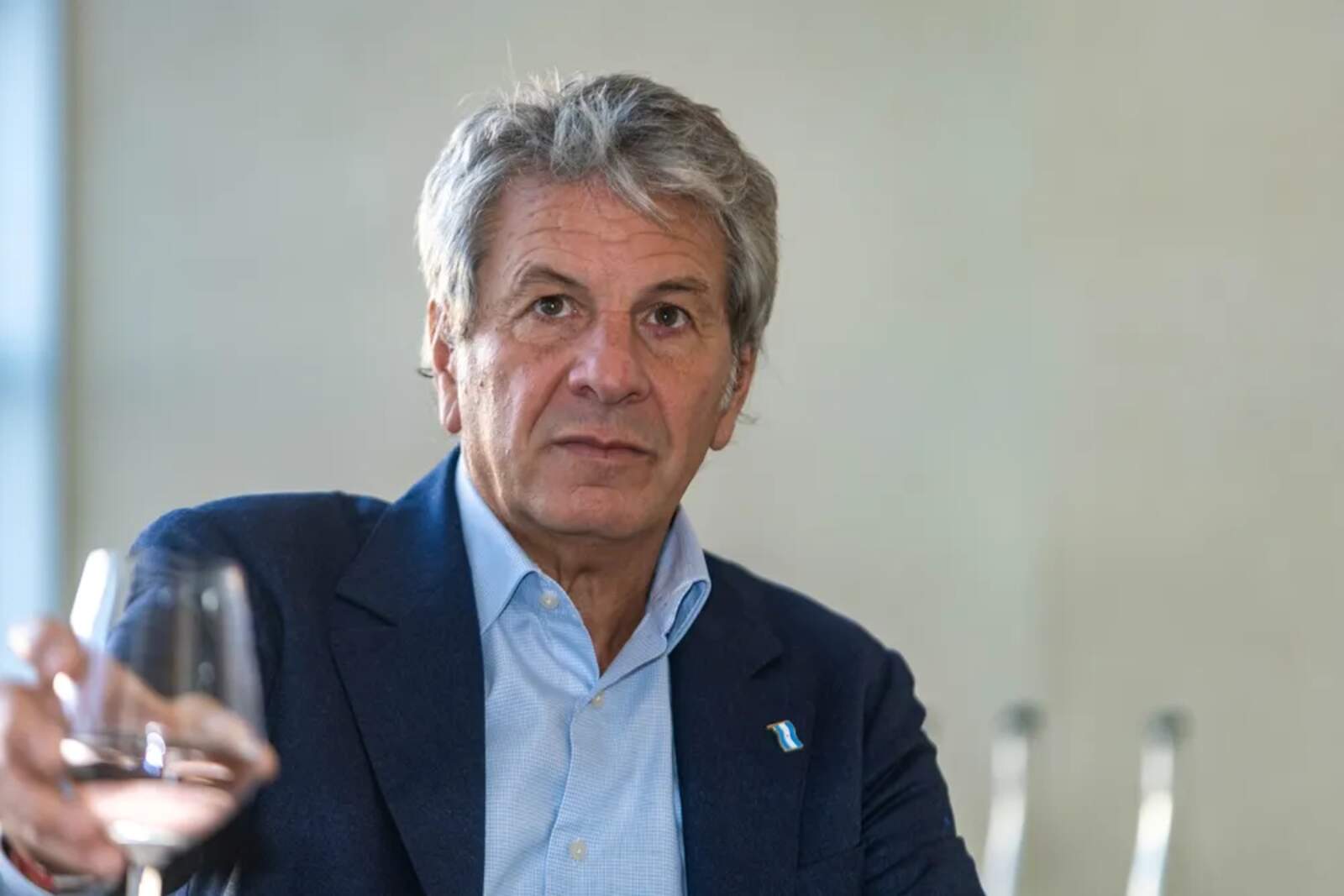
The head of the Agricultural Regulation and Control Agency (ARCA), Juan Pazo, replied to criticism from Kirchnerism regarding the recent temporary reduction of export duties on agricultural exports, stating that accusations claiming the measure would have exclusively benefited large grain companies are false.
In an interview on the Carajo streaming channel, Pazo explained that out of the 7 billion dollars available in the export quota, in just the first three days producers had sold 1.8 billion dollars.
"What we see is that exporters don't have enough volume to cover these 7 billion, so, over time, in order to fulfill the sworn statements they committed to, they're going to have to buy around 4 billion dollars from producers in the next 90 days," he stated.
El titular de la Agencia de Regulación y Control Agropecuario (ARCA), Juan Pazo
The official emphasized that grain companies don't have the necessary stocks to absorb the entire volume on their own, so producers will be the ones who actually receive the benefits of the measure.
"Clearly, they're going to have to go out and buy from producers because grain companies don't have those stocks in their portfolios," Pazo noted, making it clear that the policy promoted by Milei's government seeks to directly strengthen the productive sector rather than concentrate benefits in a few companies.
Additionally, the head of ARCA highlighted the transparency of the process: "Whenever we make an essential decision, no one ever knows." According to Pazo, the implementation of the temporary reduction of export duties was carried out without leaks or favoritism, in contrast to versions suggesting that some companies in the sector might have anticipated the measure to operate for their own benefit.
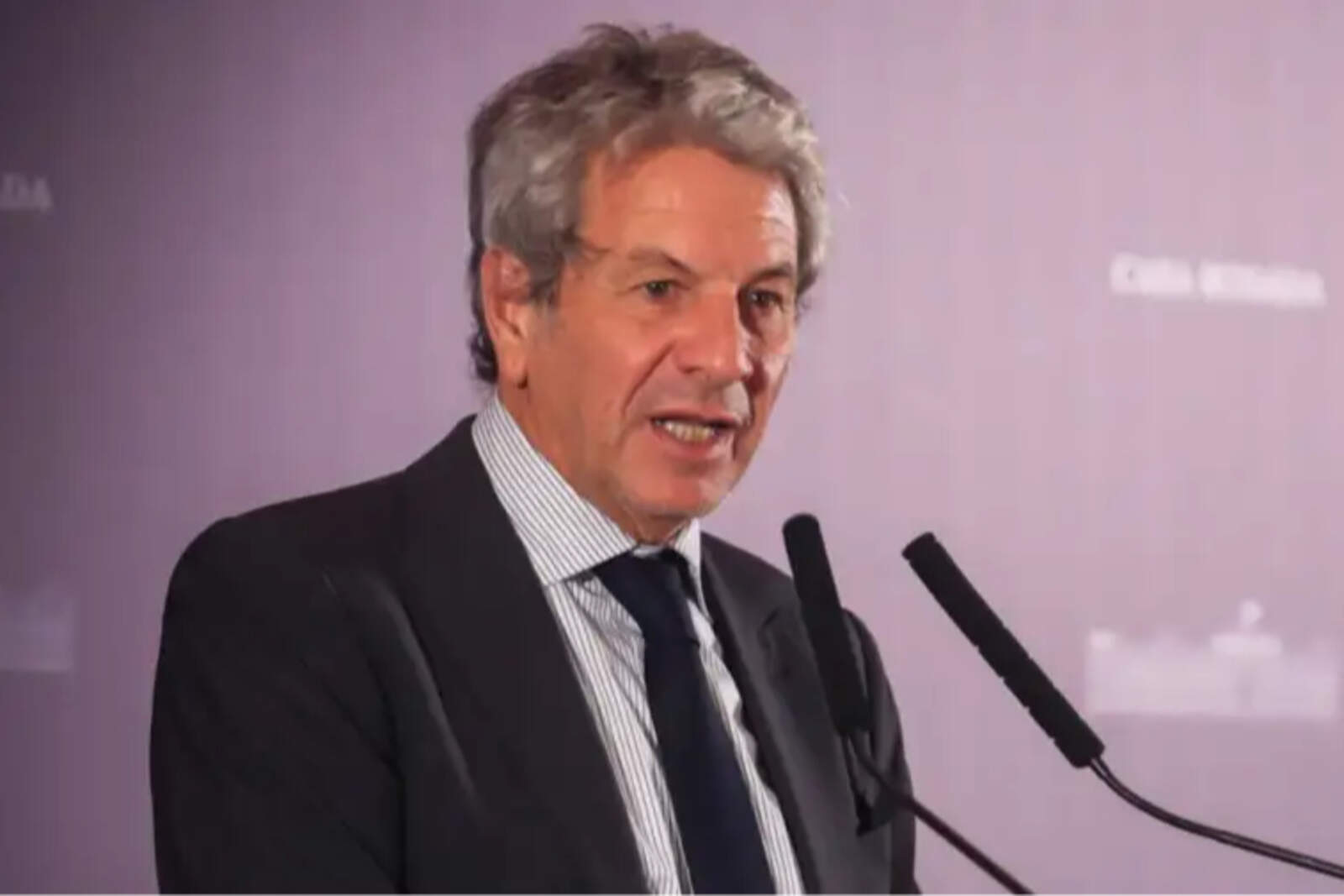
El titular de la Agencia de Regulación y Control Agropecuario (ARCA), Juan Pazo
Pazo's statement comes in a context of political criticism from Kirchnerism, which questioned the measure by arguing that it would only favor large exporters, despite the fact that during Kirchnerist governments, the agricultural sector was systematically attacked and the historic conflicts over export duties and quotas shaped the political agenda.
Zero export duties
The zero export duties measure was temporarily in effect for grains and their by-products, with a quota limit of 7 billion dollars, while beef and poultry continue with zero export duties until October 31. The initiative not only generates liquidity and predictability for producers, but also strengthens the inflow of foreign currency into the country.
With these statements, Juan Pazo sought to make the government's policy more transparent and debunk the myths circulating in the political arena, making it clear that everyone benefited from the reduction of export duties.