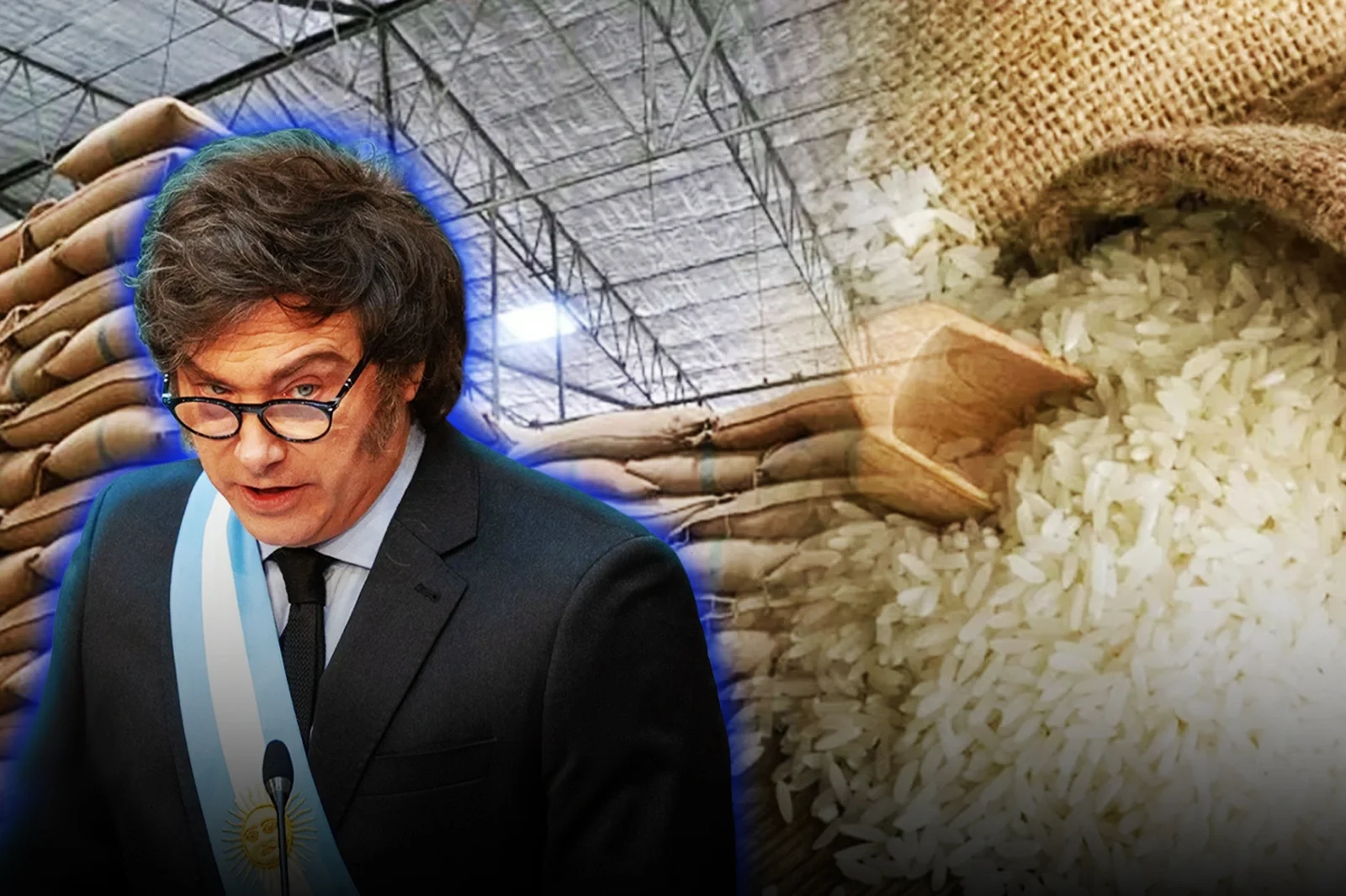
In a context that many saw as unattainable, Javier Milei's government is transforming Argentina with concrete results. The country's core region is preparing for a historic corn harvest, projected at 15.5 million tons, driven by the reduction of national taxes that unleashes the potential of the agricultural sector. This achievement is not isolated: the energy trade balance reached a record surplus of 3.949 billion dollars in the first seven months of 2025, the highest in 35 years, with oil and gas leading exports to their highest level in two decades. In the domestic market, beef consumption grew by 4.2% over the past year, recovering to 50 kilograms (110 pounds) per capita annually, aligning with the average of the past six years.
In infrastructure, the government is moving forward with the privatization of more than 9,000 kilometers (5,592 miles) of national highways, a transparent process without cost overruns. On October 8, bids will be opened for 741 kilometers (460 miles) of the Federal Concessions Network, and the terms for the rest are about to be defined, attracting private investment that promises efficiency and modernization. In addition, the new vaccination plan against foot-and-mouth disease will save producers 25 million dollars by eliminating obsolete bureaucratic procedures. These advances demonstrate that a model based on economic freedom generates tangible prosperity, moving away from the empty promises of the past.
However, this progress faces fierce resistance. The opposition seeking to oust the government, led by Kirchnerism, resorts to anti-democratic tactics to halt change. Those who now call for "social sensitivity" and accuse the government of "cruelty" are the same ones who, during the pandemic, left the population in deplorable conditions while celebrating at private parties. After the recent city council elections in Buenos Aires Province, Kirchnerism has intensified its attacks, resurrecting the "Helicopter Club" with the fantasy of overthrowing Milei. Senator Sandra Mendoza expressed this intention bluntly: "I don't think this government will make it to October 26", suggesting that Milei lacks political and social support. Their true objective is not the well-being of Argentines, but to perpetuate a system that condemns millions to poverty, cutting off opportunities only to offer illusory solutions. Populism cuts off your legs and then offers you crutches.
An alarming example of these tactics was seen in Santiago del Estero, where audio recordings of Kirchnerist mayor Roberto Brandán revealed direct threats to residents, warning them that they would lose everything if they supported Milei. This coercion, which exploits social vulnerability, exposes the authoritarian face of those who oppose change.
Those who claim that Milei's model "is exhausted" ignore the facts: historic surpluses, record harvests, and recovering consumption demonstrate that reducing state intervention fosters prosperity. Less than two years ago, Argentina faced a poverty rate of 57%, runaway inflation, and a ruined economy. Today, the path toward economic freedom shows concrete results. October 26 is not just a date; it is a decisive moment to reject the past of unchecked monetary issuance and inflation and consolidate a future of growth. Milei doesn't promise paradises, like the populists, but offers a project based on facts, whose fruits are already transforming the country. It is time to defend this course toward abundance, leaving behind the chains of a system that failed.