The Hungarian Government, led by right-wing Prime Minister Viktor Orbán, continues its confrontation with Brussels over migration policy. Since 2024, the country has been paying a daily fine of one million euros imposed by the Court of Justice of the European Union (CJEU) for refusing to comply with collectivist directives on asylum and the reception of illegal immigrants.
Far from yielding to pressure, Orbán has turned the sanction into a symbol of sovereignty and national defense. “It seems that illegal immigrants are more important to Brussels bureaucrats than European citizens themselves,” the leader stated on social media. He added:
“If I have to choose between paying a fine or putting Hungary in danger, I'll keep paying.”
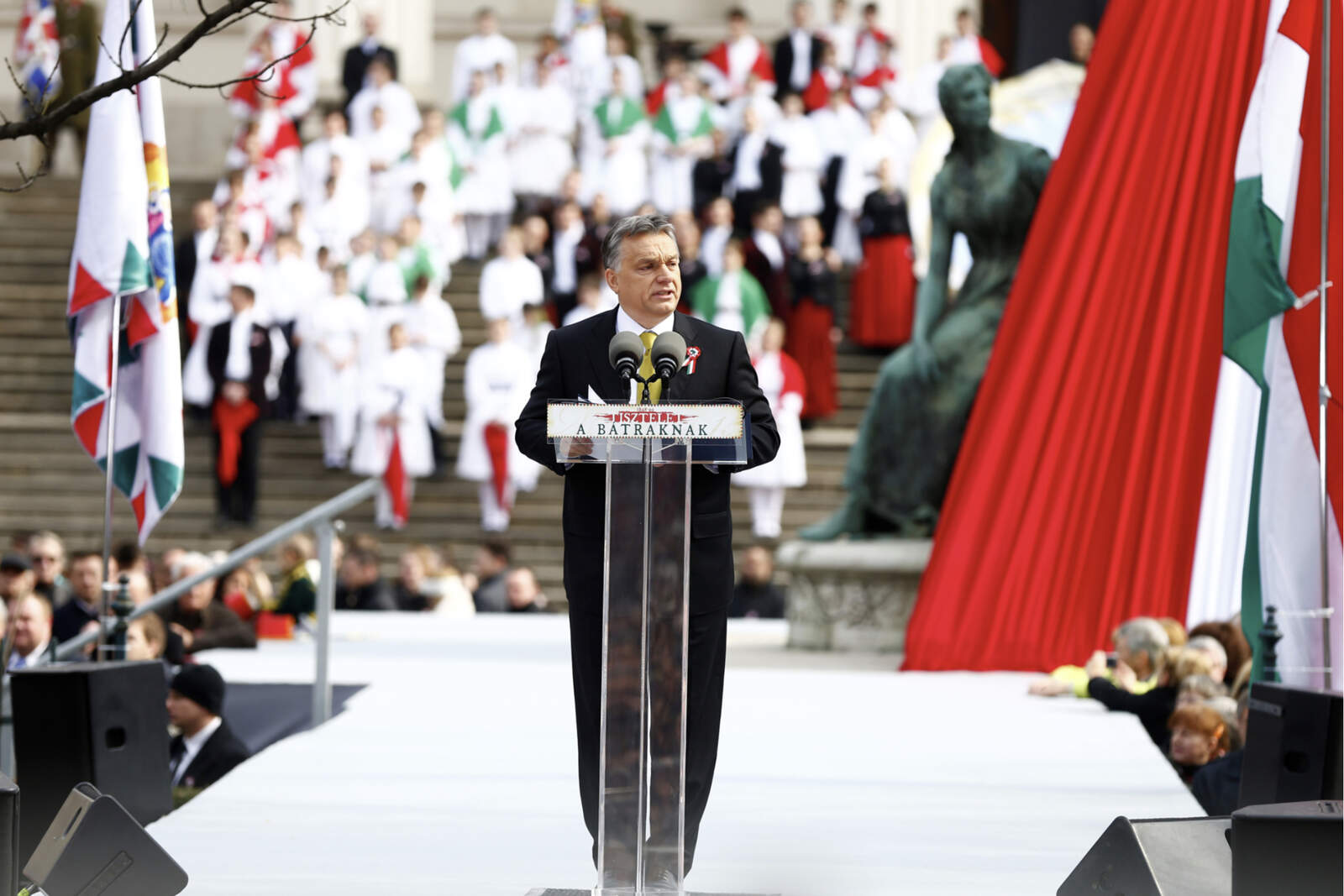
Viktor Orbán refuerza su política de seguridad nacional
A historic sanction
The conflict dates back to December 2020, when the CJEU condemned Hungary for not respecting European law in asylum procedures and in the treatment of illegal migrants. Budapest ignored the ruling, and in June 2024, the court imposed an initial fine of 200 million euros and a daily penalty of one million until the country changed its policies.
The European Commission replied by initiating the process to withhold community funds intended for Hungary, which Orbán described as “political blackmail disguised as European justice.”
In February, the Hungarian leader reaffirmed his position: “We're paying one million euros a day, but if I calculate what it would cost to let them in, it's cheaper to pay the fine. This is a rebellion against the EU's migration policies.”
Defense of sovereignty and borders
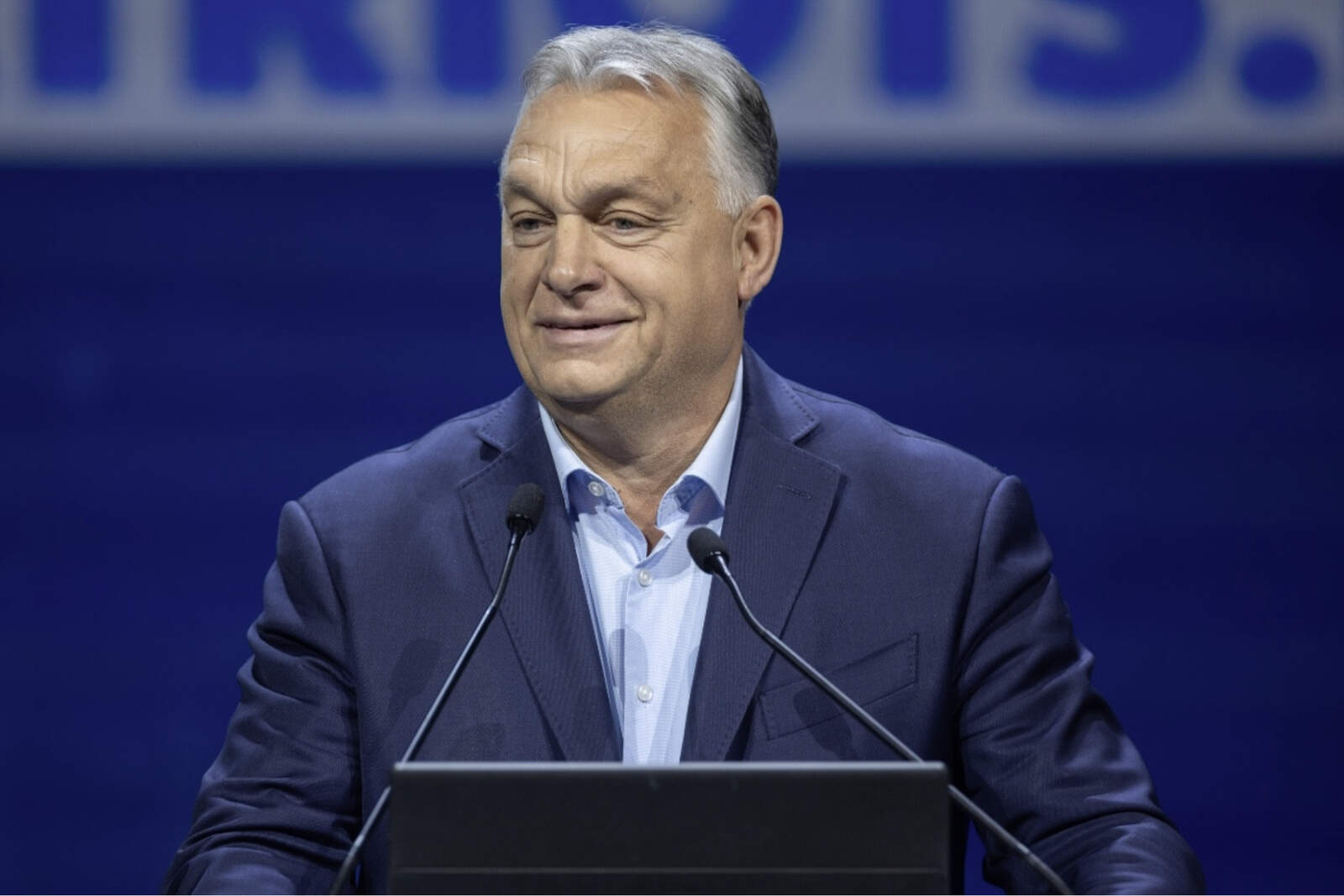
"Prefiero para el millón diario y no rendirnos a Bruselas"
Orbán keeps that the current European asylum system has failed, and that states must regain the ability to decide who enters their territory.
Hungary, which has one of the lowest immigration rates in the European Union—just 6% of foreign residents compared to more than 20% in countries like Sweden or Belgium—has established a strict migration policy focused on security and internal order.
The prime minister argues that the border opening promoted by Brussels has increased crime, violence, and antisemitism in Europe.
“Immigration leads to more violence against women, homophobia, and antisemitism,” he recently warned, accusing those who defend European migration policy of “talking about tolerance while importing violence and chaos.”
In 2023, the Hungarian government created the Office for the Defense of National Sovereignty, aimed at investigating foreign influence in politics and the media.
For Orbán, the confrontation with the European Commission is not economic but political and civilizational: meanwhile, the European bloc justifies the sanctions in the name of the “Rule of Law,” in Budapest they interpret the punishment as a way to discipline governments that resist the common migration agenda.
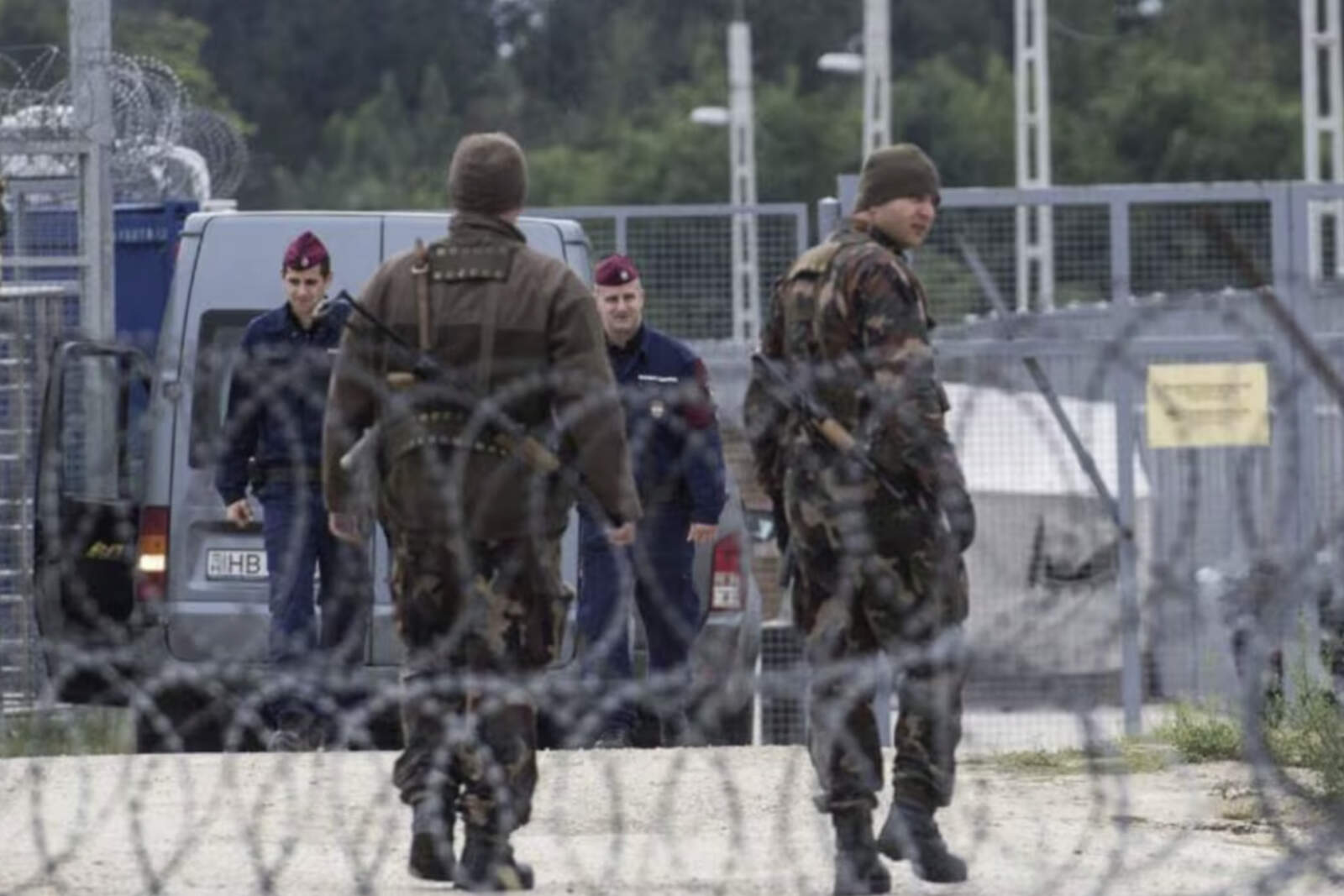
Hungría mantiene firme su política contra los inmigrantes ilegales
Orbán, a reference for the European right
The Hungarian prime minister has established himself as leader of the Patriots for Europe bloc, which brings together conservative and nationalist parties from across the continent. From that platform, Orbán promotes an agenda focused on defending borders, the family and European Christian identity, in contrast to the open policies promoted by the Commission.
Despite the sanctions and diplomatic pressure, Hungary keeps its zero-tolerance policy toward illegal immigration. For Orbán, the priority is clear: “To protect the security of the Hungarian people, even if that costs one million euros a day.”