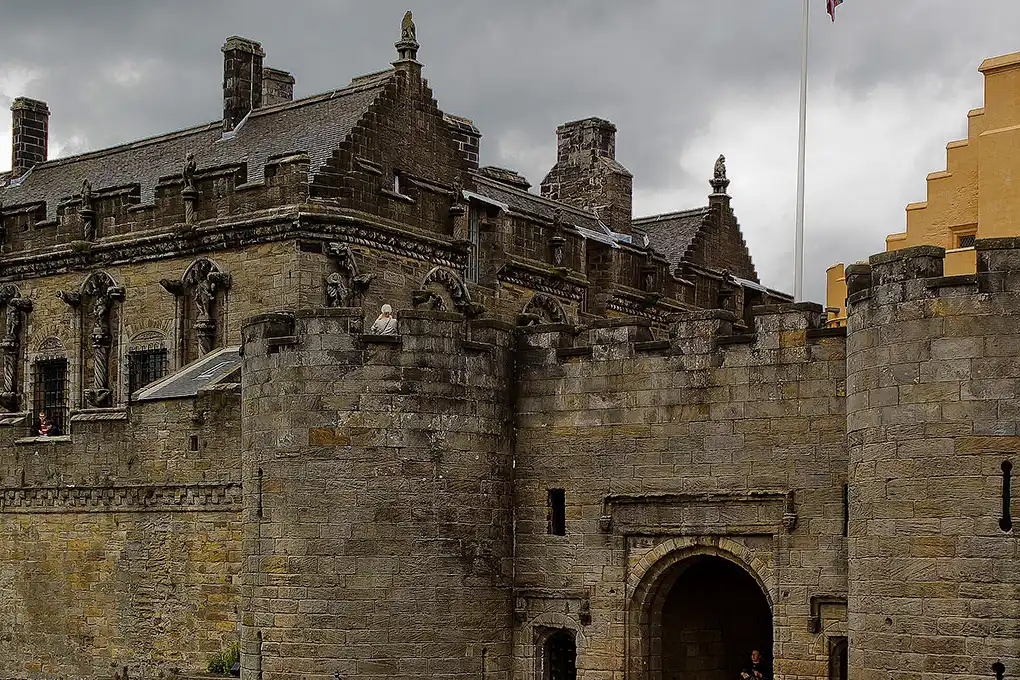

Researchers presented evidence of what could be the first documented case of a death caused by a trebuchet The finding was revealed during the biannual meeting of the European Association of Paleopathology and points to a young Scotsman who is believed to have perished during the siege of Stirling Castle in the early 14th century
The remains were recovered from excavations conducted in the 1990s at the iconic Scottish fort The analysis of the skeleton, belonging to a man just over twenty years old, revealed a picture of extreme blunt force trauma. More than 160 fractures were counted across the skull, ribs, vertebrae, and arms
Archaeologist Jo Buckberry from the University of Bradford examined each injury and concluded that the victim suffered a catastrophic impact before dying. She explained that the pattern of damage indicates that the blow came from behind and at enormous speed. “It seems he was struck by something traveling at high speed. The most similar cases I found were car crashes and people hit by trains,” she stated
The immediate question that arose was how to explain such a trauma in Scotland in 1304. Buckberry summarized it clearly: “But how do you get from there to a guy in medieval Scotland? What is big and moves very, very fast in 1304?” The answer points to a projectile fired by a siege machine
The context of the siege and the war machine
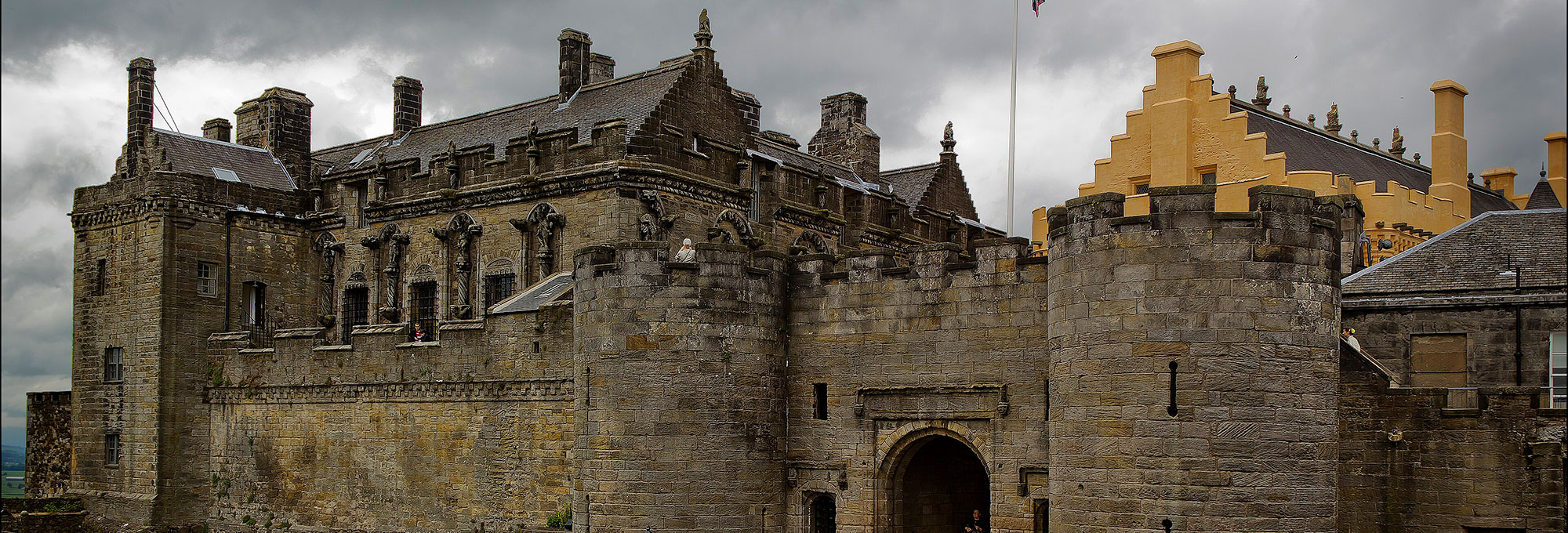
In 1304, English King Edward I launched a sustained attack on Stirling Castle During this campaign, the use of trebuchets was documented, powerful catapults capable of launching heavy projectiles at high speed. Among them stood out a huge machine known as War Wolf, famous for its destructive capacity
Buckberry maintains that the young man was struck by one of those missiles The type of fractures and the direction of the impact match the effect of an object launched from one of these siege weapons. These are not injuries from hand-to-hand combat or falls, but rather trauma consistent with a high-speed collision