The organization that regulates the rules of world football is debating new measures to reduce time-wasting and prevent unfair dismissals
Agregar La Derecha Diario en
Compartir:
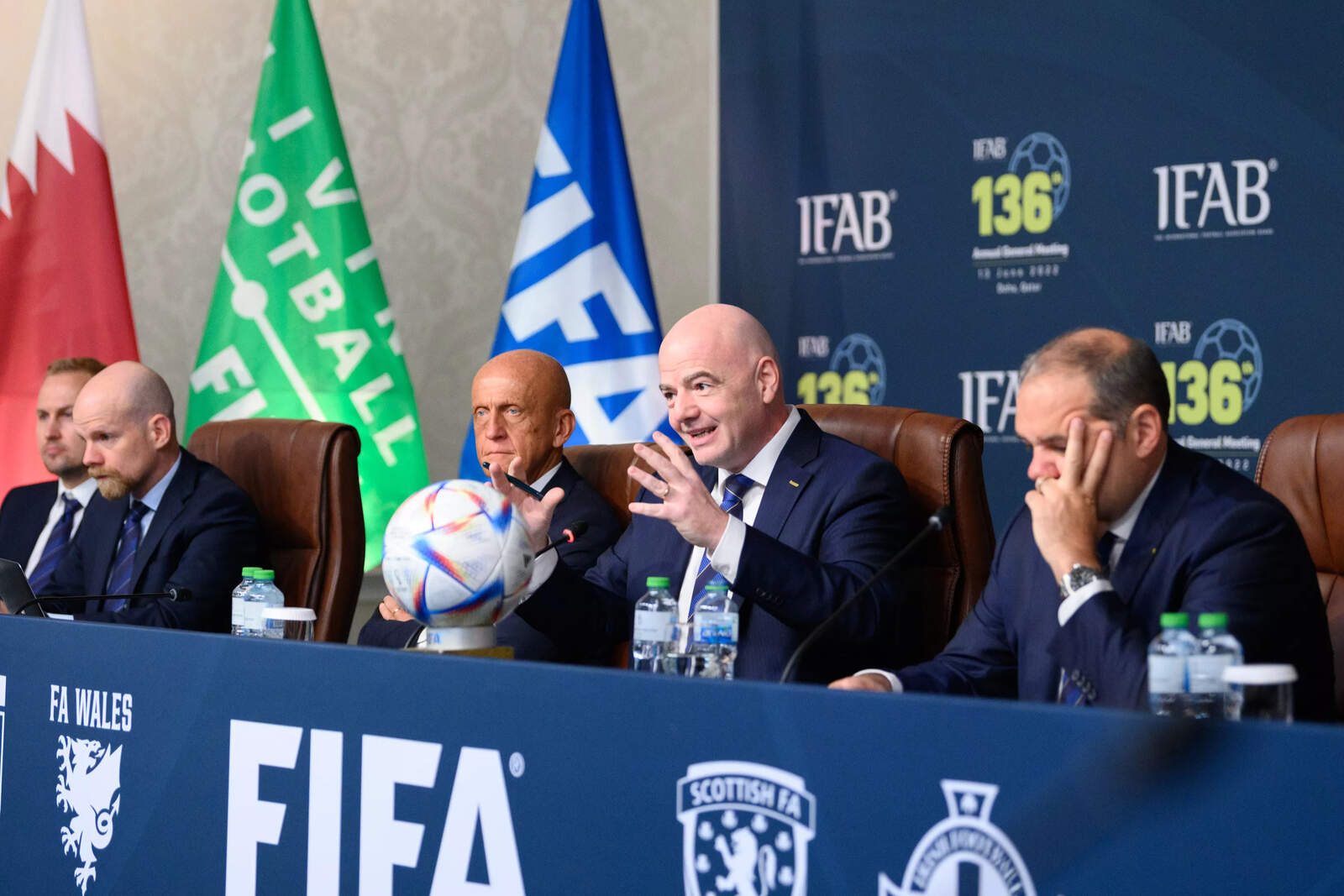
The International Football Association Board (IFAB), the body responsible for defining football's rules at the global level, evaluated a series of possible modifications to the regulations aimed at increasing effective playing time and improving refereeing fairness.
During the recent meeting of the Football Advisory Panel and Technical Advisory Panel (FAP-TAP), initiatives were presented such as the introduction of a countdown clock for throw-ins and goal kicks in order to prevent deliberate delays, and the possibility of incorporating VAR in sendings-off for a second yellow card.
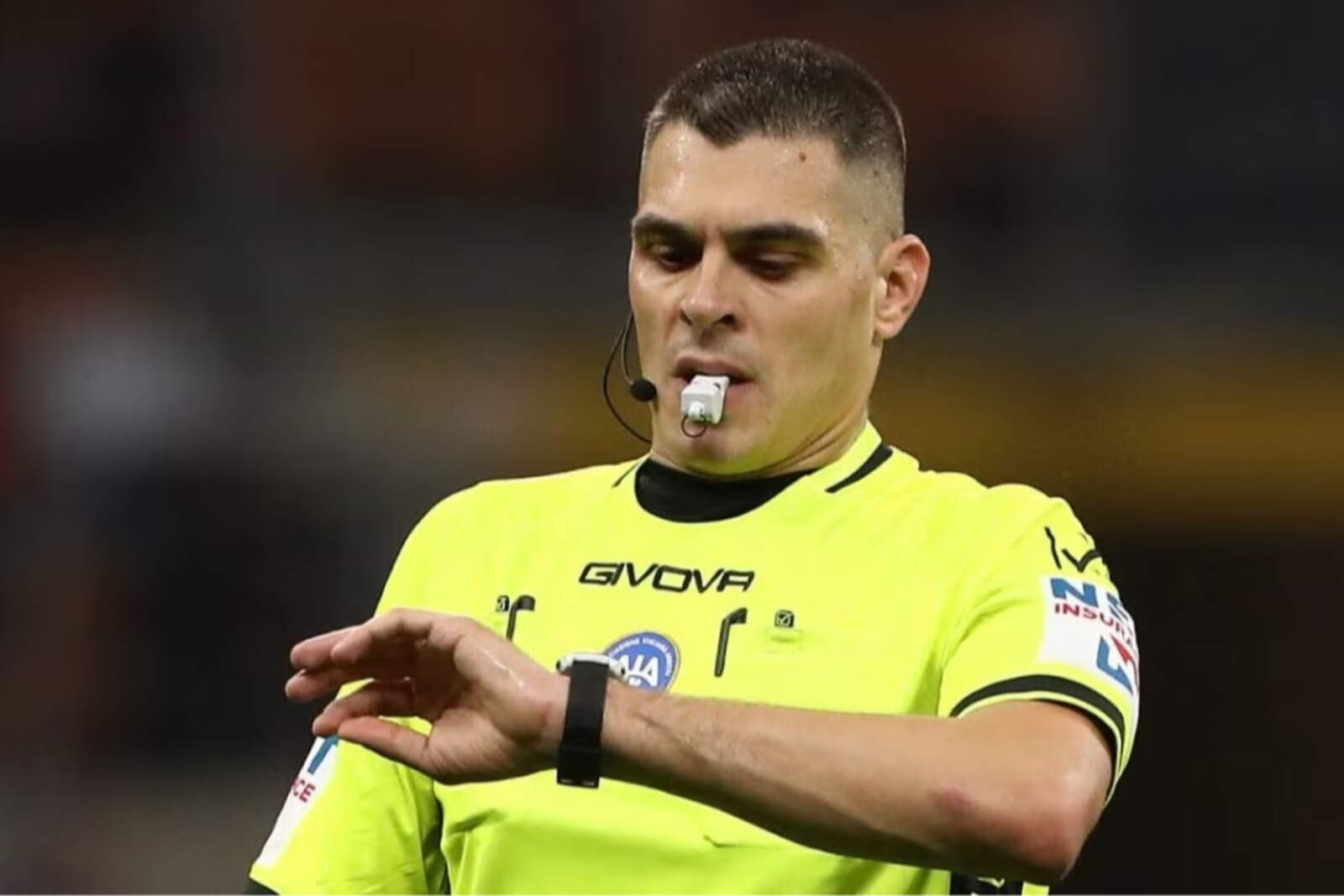
In recent years, throw-ins and goal kicks have become one of the main sources of time loss, especially in the Premier League, where long throws and rehearsed plays cause lengthy pauses. Added to this are goalkeepers who delay restarts in the final minutes to slow down the game and run down the clock.
La IFAB busca que haya menos tiempo perdido
The clock proposal follows the line of the new rule applied to goalkeepers, which imposes an eight-second limit for releasing the ball in open play. If the goalkeeper exceeds that time, the referee awards a corner kick to the opponent.
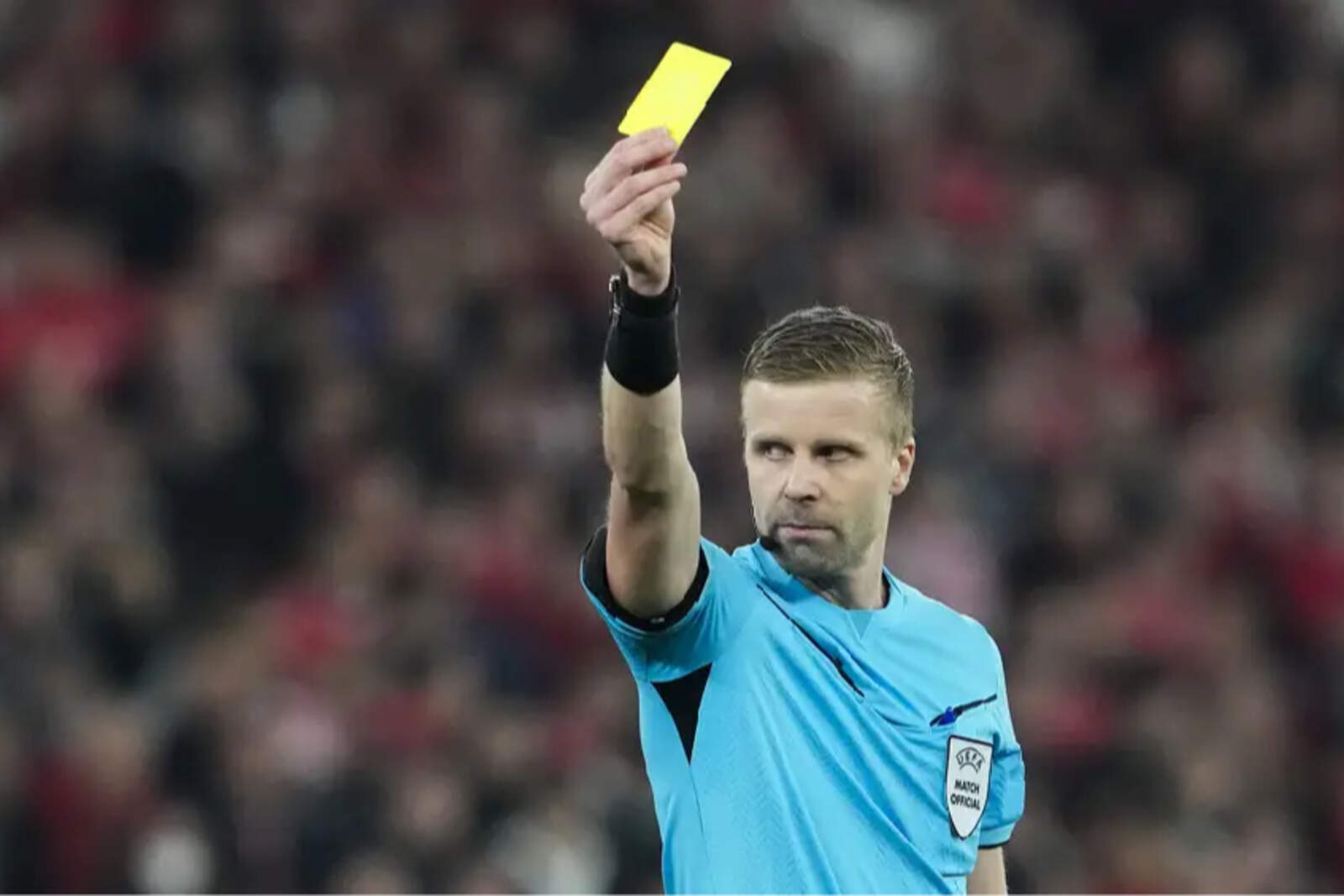
Meanwhile, the technical panel also gave the green light to move forward with the use of VAR in sendings-off for a second booking, with the aim of preventing erroneous sanctions. According to the Key Match Incidents (KMI) report from the Premier League, in the last two seasons 17 players were unjustly sent off after receiving a second yellow card.
The modification would allow that, if the second card was shown by mistake, VAR would intervene to overturn the decision. However, actions that could result in a second yellow card will not be reviewed, in order not to excessively interrupt the flow of the game.
El VAR podría revisar las segundas amarillas
The proposal will be presented at IFAB's annual business meeting on January 20, and could be definitively ratified at the general assembly on February 28 in Cardiff, taking effect from next season.
Among the additional topics discussed, IFAB also addressed a possible adjustment to the offside rule, which would allow the striker to be onside if any part of their body is in line with the second-to-last defender, seeking to reduce controversial marginal offsides. The idea, promoted by Arsène Wenger, current FIFA director of global development, aims to favor attacking play, although it is still in the experimental phase due to the tactical questions it raises.