Another highlight of the report is the payment method chosen by consumers. More than 50% of the total billed in April was paid by credit card, a method that showed a nominal year-on-year increase of 57.1%, in line with the reappearance of consumer financing lines and greater financial stability.
The categories with the greatest dynamism in the year-on-year comparison for wholesale businesses were:
"Clothing, footwear, and home textiles," with a jump of 100.8%
In a context marked by decelerating inflation, the recovery of real wages, and the return of consumer credit, mass consumption is beginning to show concrete signs of reactivation in Argentina. According to official data from the National Institute of Statistics and Censuses (Indec), supermarket sales grew by 0.5% in April compared to March and recorded a real year-on-year increase of 8.9%, consolidating a trend that points toward economic stabilization driven by the reforms of Javier Milei's government.
In total, the country's main supermarket chains billed $1.97 trillion, representing a nominal increase of 48% compared to April 2024. Adjusted for inflation, real growth translates into a notable advance in consumption, especially in key sectors for Argentinians' purchasing power.
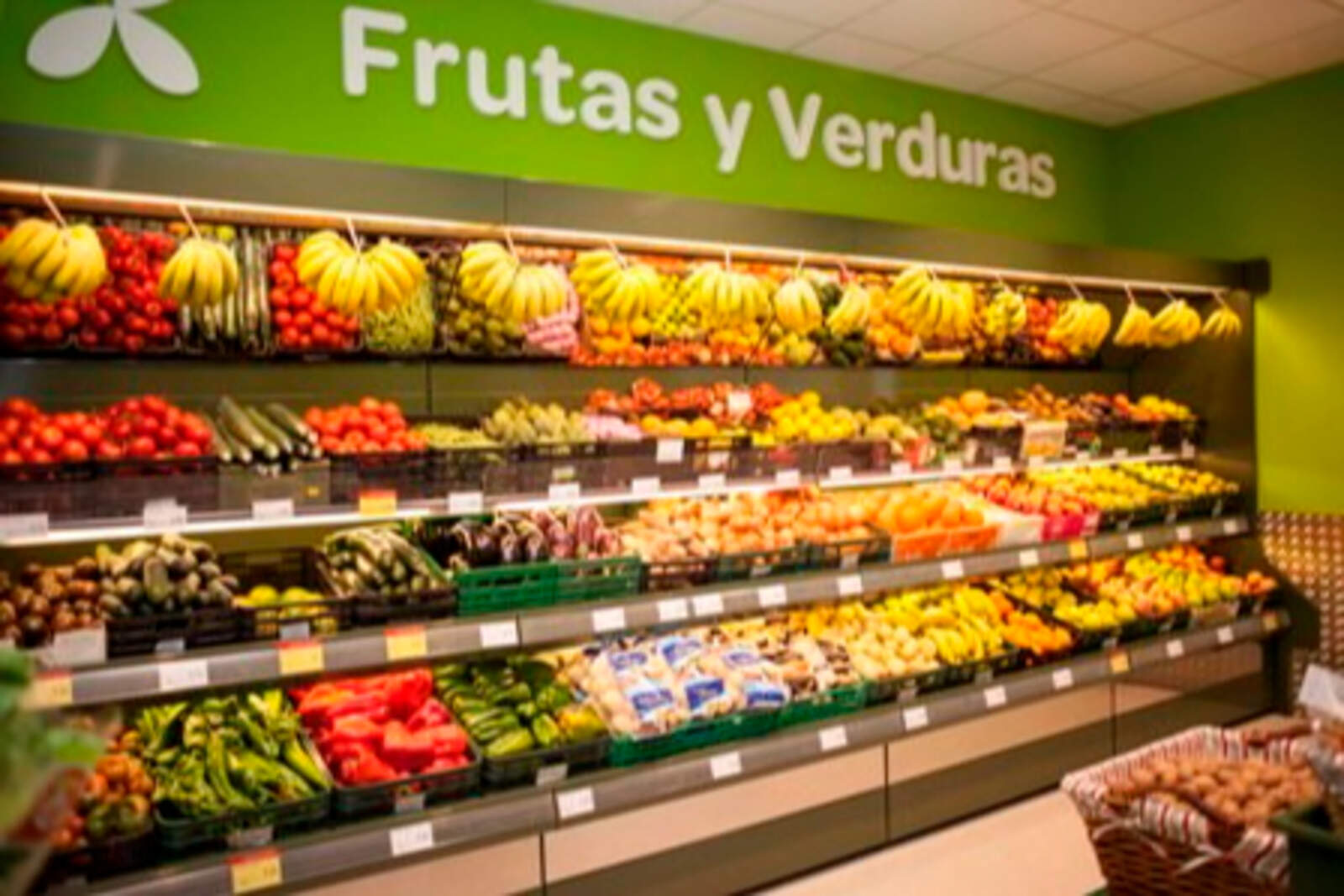
Frutas y verduras mejoraron un 53,4% interanual en Abril.
Category analysis shows especially dynamic behavior in high-demand goods. Meat sales grew by 77.6% year-on-year, closely followed by prepared foods (77.4%) and the clothing, footwear, and home textiles sector, with a 74.4% increase. This data reveals not only an improvement in access to basic products but also a growing predisposition among Argentine consumers to broaden their consumption horizon, even in non-essential goods.
One of the most representative indicators of household behavior is the average ticket value, which stood at $28,222 per purchase, reflecting a greater willingness to consume and a recovery in purchasing power.