A team led by Julia Gresky discovered graves with well-preserved human remains at the Neolithic site in Turkey, dated between 8700 and 8000 BC, suggesting residential occupation rather than just ritual use
A group of researchers led by Julia Gresky from the German Archaeological Institute discovered several human burials at Göbekli Tepe that remained intact for millennia. The discovery, made in southeastern Turkey, provides fresh data on one of the most enigmatic sites of the early Neolithic.
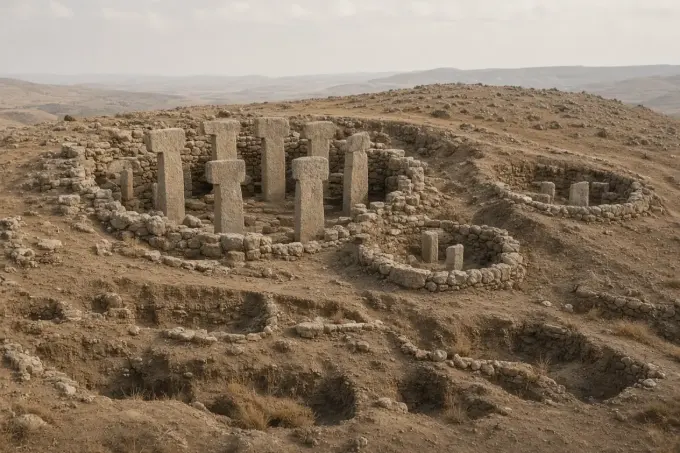
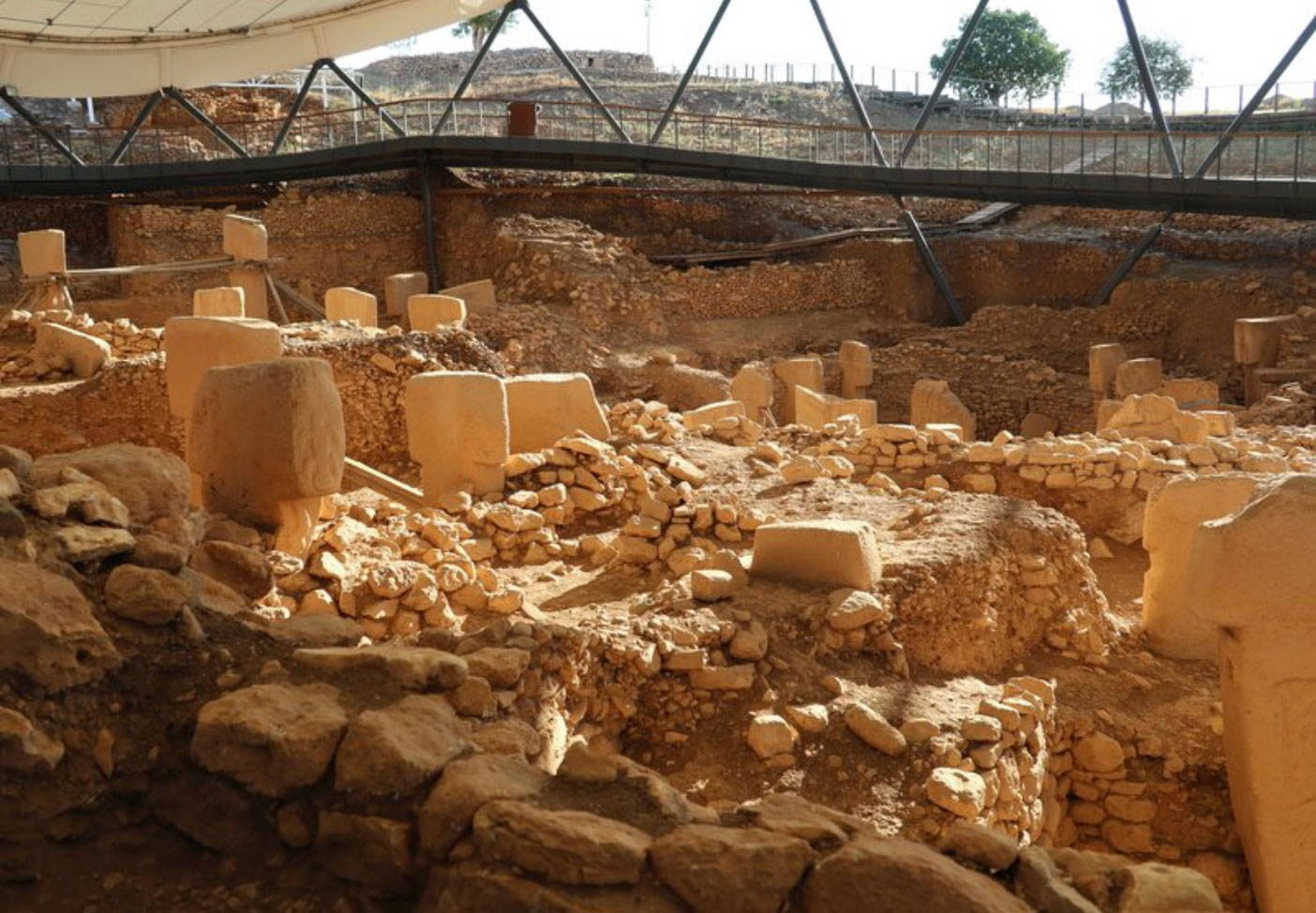
The imposing structures and pillars of the site were erected by hunter-gatherer communities at different stages between 9600 and 8200 BC. Until now, excavations in some buildings had only recovered bone fragments mixed with debris, leading to diverse interpretations about their origin.
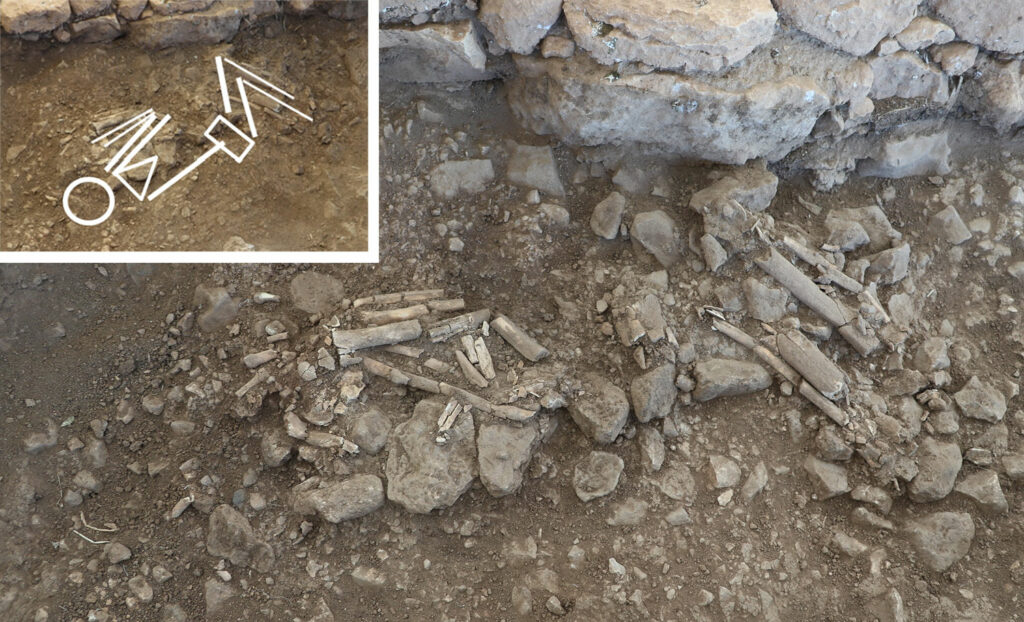
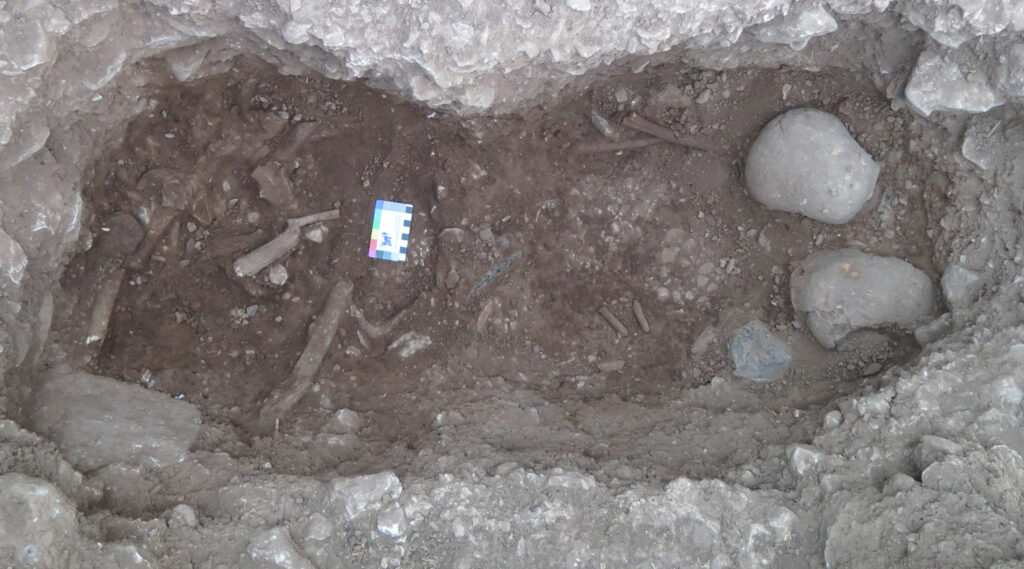
Among the most relevant findings is a kidney-shaped pit that contained the remains of a woman, a young man, and a teenager. In another area, the skeleton of a young woman was found deposited in a flexed position within an individual grave. These burials were dated to approximately 8700 to 8000 BC.
Specialists observed that the bones from these burials showed fractures, were covered by calcium deposits, and exhibited marks from rodents. These same characteristics are repeated in the bone fragments previously found within the buildings.
Possible origins of the scattered remains
Gresky and her team propose that the loose bones found in the constructions may have been deposited there as part of ritual practices. Another possible explanation is that erosion and landslides may have carried material from graves located in higher areas of the mound.
The similarity between the state of preservation of the intact skeletons and that of the scattered fragments reinforces the idea that both sets have a common origin. This coincidence necessitates a reevaluation of previous hypotheses regarding the significance of the human remains at the site.
The finding also opens a broader discussion about the function of Göbekli Tepe. For years, it was believed that the site served solely as a ceremonial center where groups gathered temporarily. The presence of formal burials, however, suggests that some people may have resided more permanently in the immediate surroundings.
This possibility does not eliminate the ritual character of the complex but adds a layer of complexity to its interpretation. Living and burying the dead in the same space implies a daily relationship with the monumental structures that goes beyond sporadic encounters.
Implications for the study of the Neolithic
Göbekli Tepe remains a key reference for understanding the transition from hunter-gatherer societies to more complex forms of organization. The new data on funerary practices provide concrete information on how these communities treated their dead and what connections they maintained with the constructed landscape.
The research, published in the journal PLOS One, invites further excavation with attention to funerary contexts that had previously gone unnoticed. Each intact grave offers a direct window into the biography of individuals who inhabited the site over ten thousand years ago.
The recovered remains will also allow for osteological and isotopic analyses that could reveal diets, mobility, and health status of the buried individuals. These complementary studies will be essential for reconstructing daily life at a decisive moment in prehistory.
Ultimately, the discovery of well-preserved burials at Göbekli Tepe not only enriches the archaeological record of the site but also compels a reconsideration of whether those imposing constructions were merely settings for rituals or also spaces for residence and collective memory.