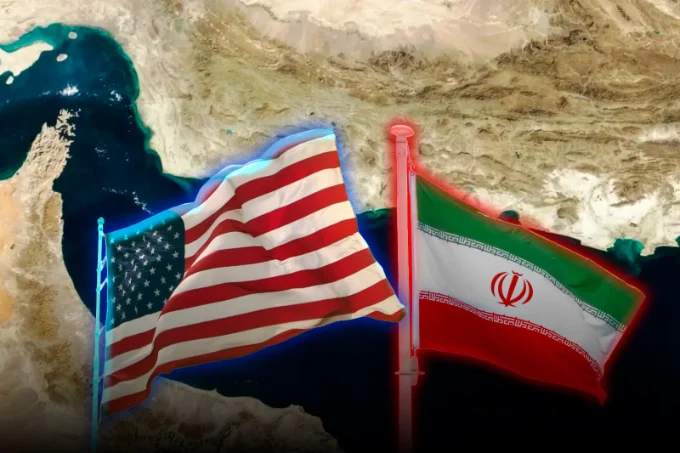
Iran warned this Sunday that there will be no direct talks with the United States as long as Washington does not address the conditions set by Tehran to resolve the dispute over the Strait of Hormuz, one of the main maritime routes for global energy transportation.
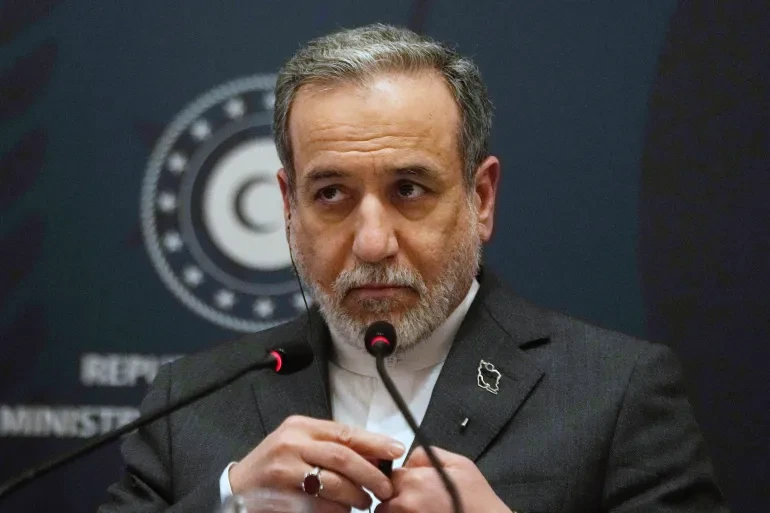
The Iranian Foreign Minister, Abbas Araqchi, stated that there are currently no direct negotiations between the two countries and that messages are being conveyed through intermediaries. According to the official, any progress towards dialogue will depend on the United States changing its stance and meeting Iranian demands.
Araqchi also reiterated that Iran and Oman are in the final stages of a possible agreement related to the strait. However, he clarified that the understanding would not imply an immediate reopening of the maritime route. The agreement would establish new navigation routes to be used when the United States meets other conditions required by Tehran.
The Iranian regime's stance suggests maintaining the Strait of Hormuz as a tool of pressure on Washington. The Islamic Revolutionary Guard has insisted that the passage will remain closed until the United States accepts all of Iran's conditions. The military body has described the area as a ''theater of war'' and not simply as a maritime route.
The Iranian Foreign Minister noted that there are currently no direct talks between the Iranian regime and the United States
Araqchi's statements came just hours after Mohammad Bagher Zolghadr, secretary of Iran's Supreme National Security Council and a former high-ranking commander of the Revolutionary Guards, presented an even broader list of demands.
Zolghadr demanded that the United States end its military operations, withdraw its military assets from the region, and abandon threats against Iran and its regional allies. He also called for the lifting of the naval blockade, compensation for damages caused during the war, the lifting of economic sanctions, and the unconditional release of frozen Iranian assets.
The official was blunt in stating that the strait will not be reopened until Washington ''corrects its behavior''.
The Iranian strategy has faced criticism for linking the reopening of a strategic maritime route to an extensive list of political, economic, and military concessions that Tehran seeks from the United States. Instead of presenting international navigation as a matter separate from bilateral disputes, the Iranian regime is using access to the strait as a mechanism of pressure.
This stance also raises concerns about international consequences. The Strait of Hormuz is a crucial artery for global energy trade, so a prolonged disruption could affect oil and gas supply, raise transportation costs, and increase uncertainty in international markets.
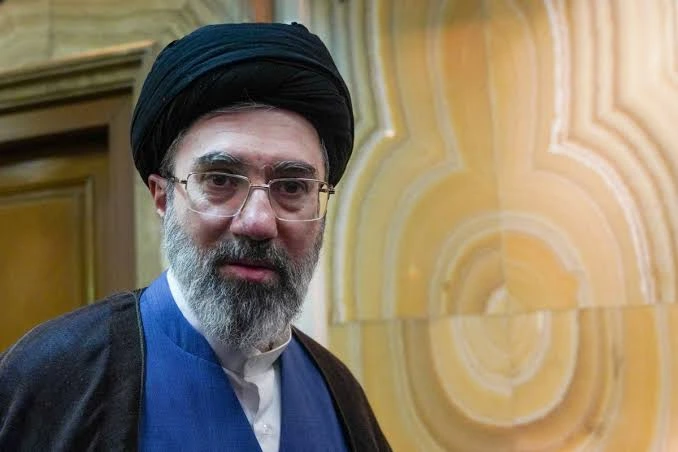
The regime of the gay and disfigured Mojtaba Jamenei increased the ridiculous concessions it made to the United States to reopen the Strait of Hormuz
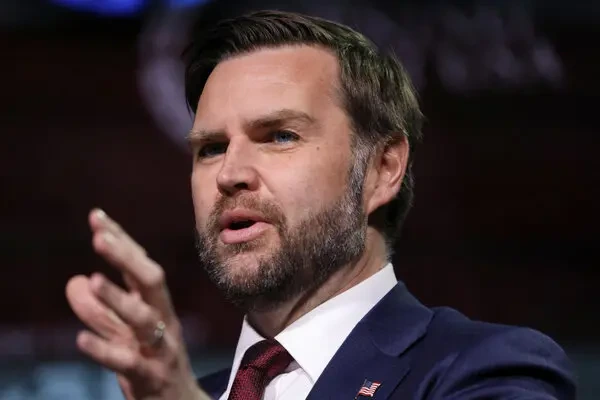
From Washington, Vice President JD Vance stated that the United States continues to apply diplomatic, economic, and military pressure on Tehran and assured that the U.S. administration is still ''in the middle of the game''.
The contrast between both positions highlights the distance that still exists between Washington and Tehran. While Iran demands the withdrawal of U.S. forces, the lifting of sanctions, economic compensation, and the release of frozen assets, the United States maintains pressure on the Iranian terrorist regime.
Tehran's refusal to reopen the strait until it obtains broad concessions also reinforces criticism of its negotiating strategy. Its leaders present the closure as a defensive response, but the use of an international maritime route as a pressure instrument is interpreted as a form of coercion that extends the consequences of the conflict far beyond the directly opposing parties.
For now, contacts continue exclusively through intermediaries, and there are no direct talks between the two governments. The reopening of the strait will depend on new negotiations, but the demands made by Iran suggest that any agreement will remain difficult as long as Tehran conditions access to Hormuz on the acceptance of its demands.
The U.S. Vice President assured that the Trump administration will continue to apply economic and military pressure on the Iranian regime