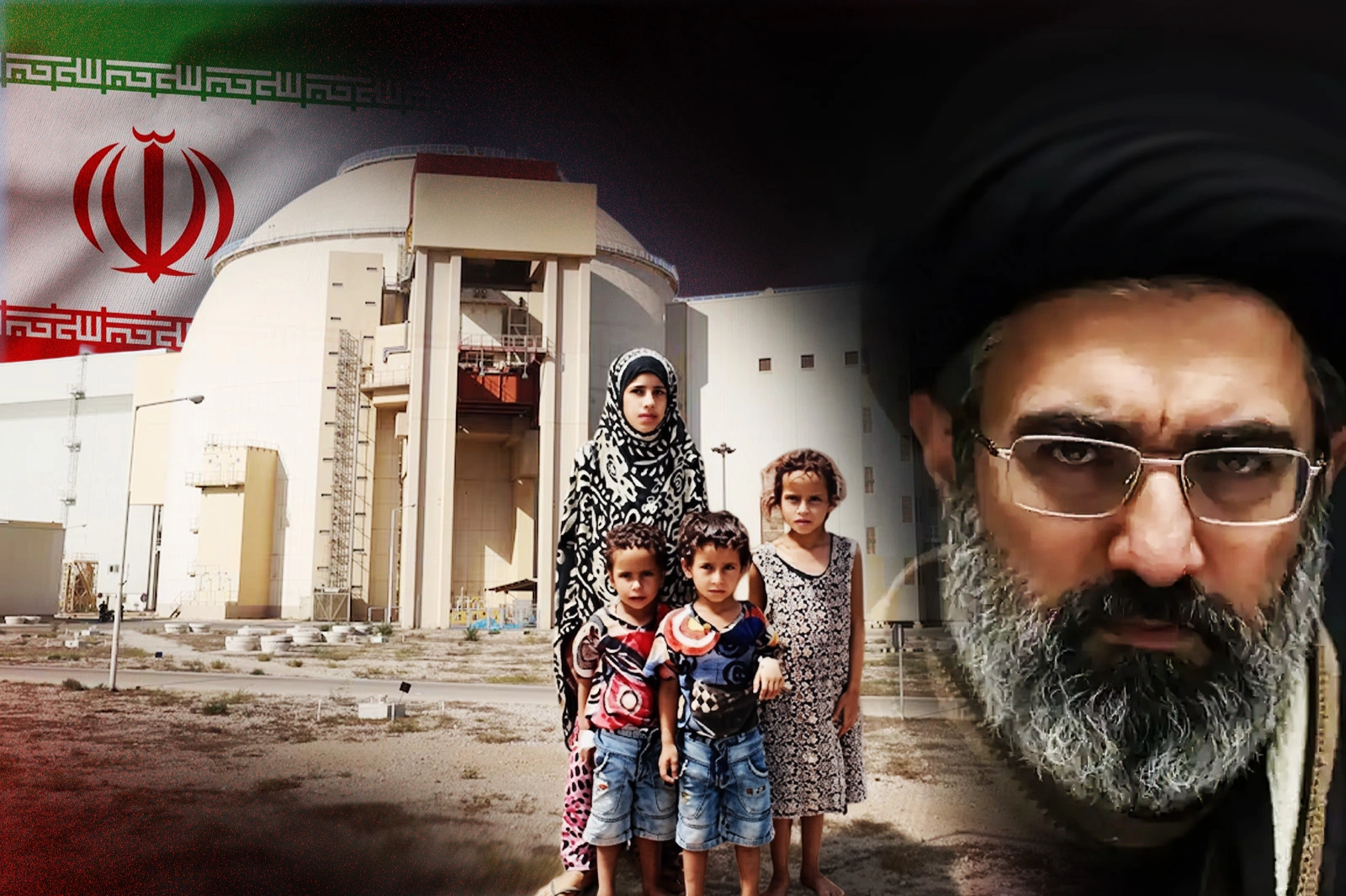
The Iranian regime confirmed that it will use civilians as human shields to protect its power plants against the threat of a possible attack by the United States. State television announced that it will convene “creative young people” and “cultural figures” to form human chains around these strategic facilities, in a maneuver that constitutes a war crime under international law
.
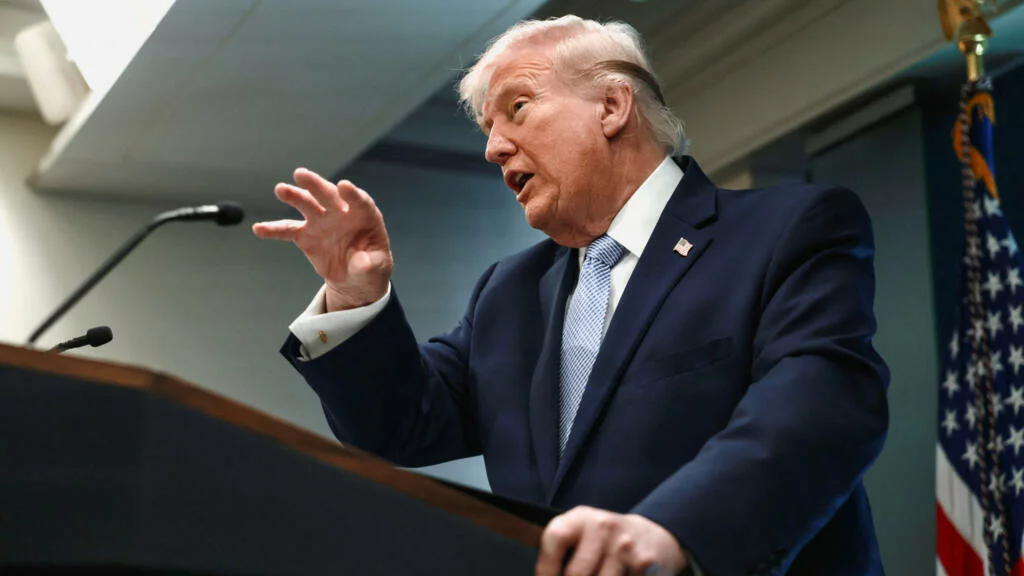
The decision comes amid an unprecedented escalation with the Donald Trump administration, who issued an ultimatum: if Tehran does not agree to negotiate, power plants could be destroyed in a matter of hours.
Far from de-escalating the conflict, the Iranian regime chose to deliberately expose its own civilian population, using symbolic sectors of society — such as artists and students — to try to
deter an eventual military attack.
The use of human shields is expressly prohibited by international humanitarian law. This concept involves employing civilians to protect military objectives or prevent military operations, regardless of whether their participation is voluntary or forced
.
International organizations such as the UN have been forceful in this regard. In several recent conflicts, including the case of Mosul and Gaza, it has been reiterated that moving or using civilians to protect facilities constitutes a war crime under the Rome Statute of the International Criminal Court
.
In this case, the mass transfer of people to areas that could be the target of attacks not only puts thousands of citizens at direct risk, but also constitutes a serious violation of the basic rules of war, such as the principles of distinction and protection of civilians.
The Iranian regime's strategy seems to be aimed at raising the political and humanitarian cost of any U.S. military action, trying to condition the response through the possible presence of civilian victims.
Donald Trump warned that Iran could be eliminated overnight.
However, this maneuver also crudely exposes the internal workings of the regime, which prioritizes its survival over the safety of its population. Instead of protecting citizens, it turns them into a tool within the conflict.
With the ultimatum still in place and the negotiations at a standstill, the situation enters a critical phase, where the use of civilians as human shields adds a new level of gravity to an already highly volatile scenario.