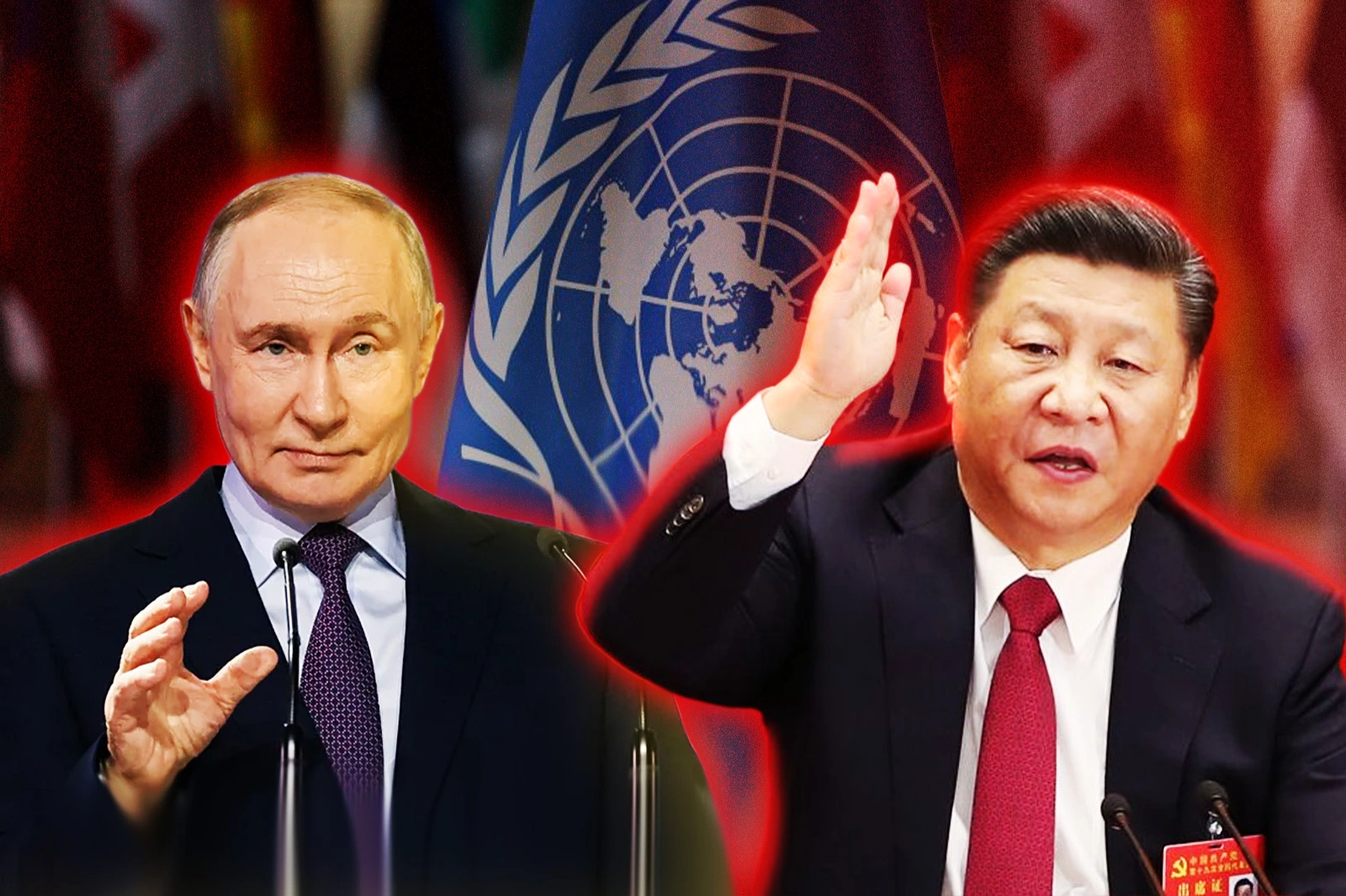

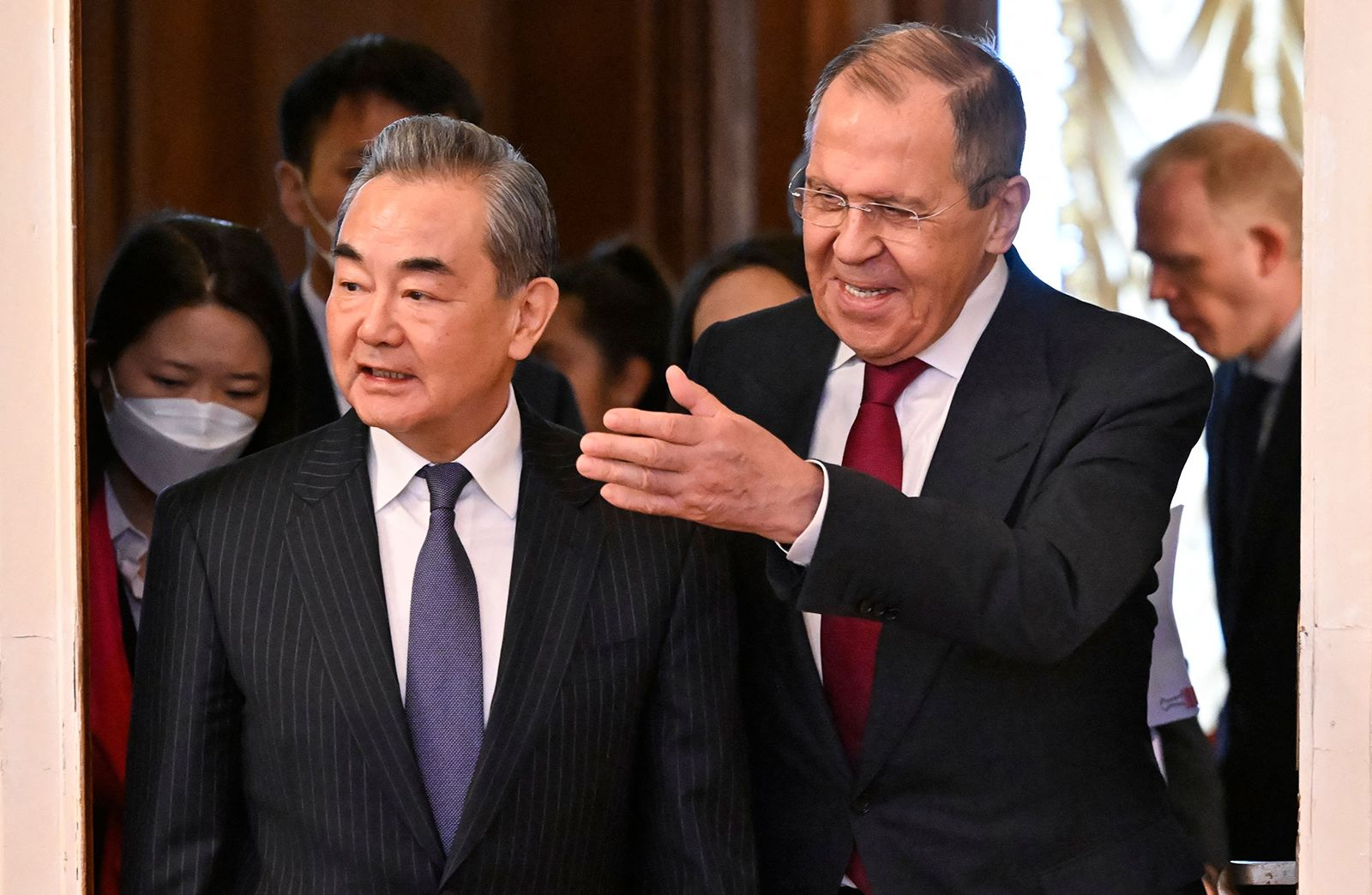
China and Russia this week intensified their coordination around the crisis in the Strait of Hormuz, after a phone call between its foreign ministers, Wang Yi and Sergei Lavrov. The conversation, focused on the vote on a United Nations resolution to protect commercial navigation in the region, highlighted the intention of both countries to consolidate their geopolitical influence while the security of global trade and stability in the Middle East remain at risk
.During the call, Wang Yi stated that the solution to navigation problems in the strait depends on an immediate ceasefire and promoted political negotiation as a priority way to resolve the conflict. However, international analysts have questioned China's impartiality, arguing that its foreign policy tends to prioritize strategic and commercial interests over neutral solutions. Beijing has strengthened energy and military agreements in areas of tension, raising questions about its role as a reliable mediator in
the Gulf.The statement from the Russian Foreign Ministry indicated that both countries agreed to describe the actions of the United States and Israel against Iran as “unprovoked aggression”, in line with Tehran's narrative.
Experts point out that this position reflects more a geopolitical interest in strengthening the influence of Moscow and Beijing in the region than a genuine effort to stabilize maritime traffic and protect civilians affected by the conflict. Their coordination may block or dilute international measures that guarantee the security of trade and navigation in the area