The Executive's plan aims to significantly increase the size of the armed forces, with the goal of reaching 260,000 active soldiers and 200,000 reservists by 2035, compared to approximately 183,000 current personnel. This objective responds to a change in the perception of security in Europe, especially after Russia's invasion of Ukraine.
The German Government is facing growing controversy following the disclosure of a clause included in its new military service law that requires men between 17 and 45 to request permission to leave the country for more than three months, even in times of peace. The regulation, which came into force on January 1, 2026, had largely gone unnoticed until it was recently highlighted by local media, generating a wide political and social debate
.
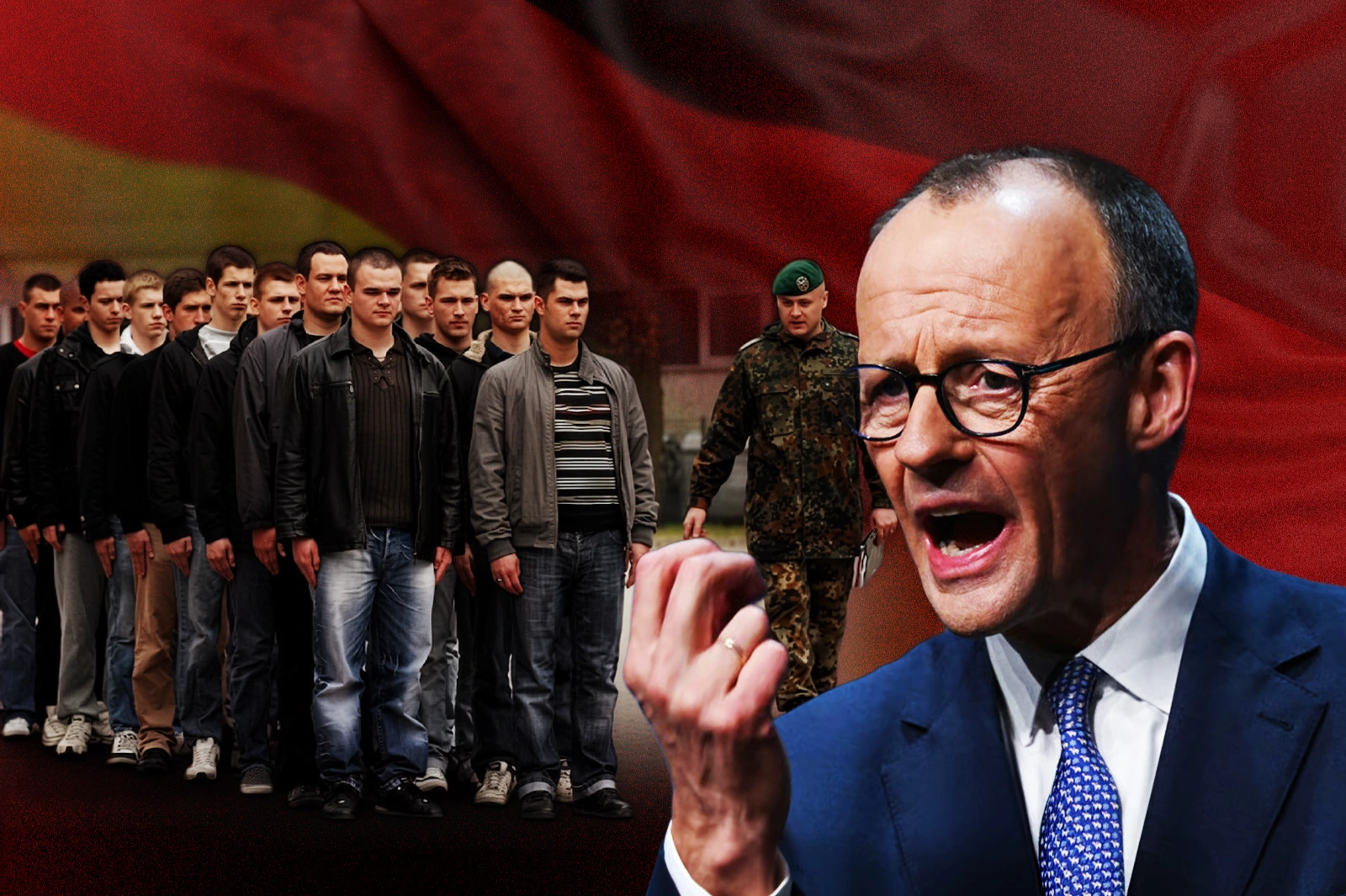
The measure is part of a reform promoted by Chancellor Friedrich Merz, whose objective is to strengthen the capabilities of the armed forces and fulfill the commitments made within the framework of NATO. However, the provision has been severely questioned for its potential impact on individual rights and for the lack of clarity in its implementation
.
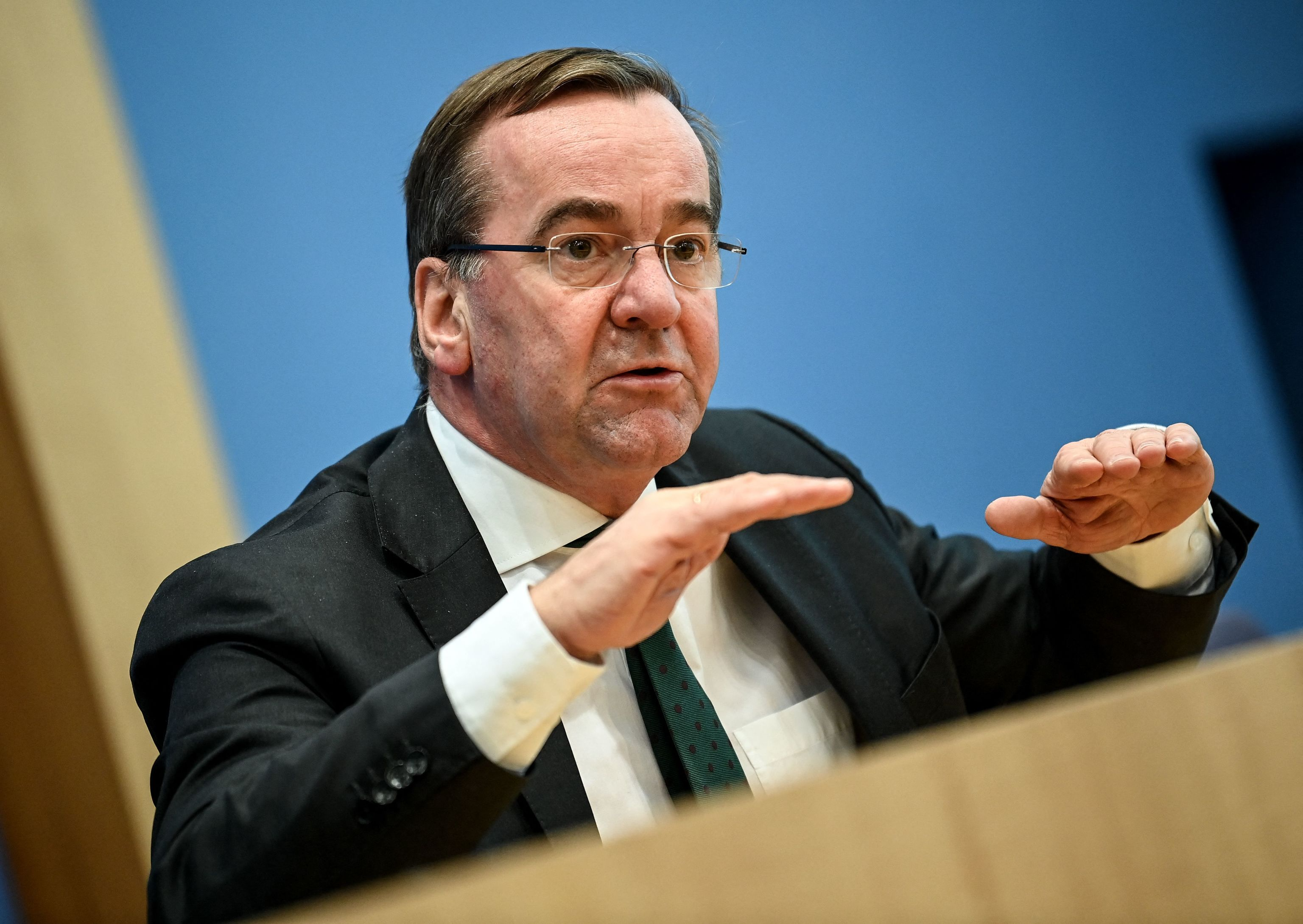
According to the Ministry of Defense, headed by Boris Pistorius, the purpose of the standard is to ensure a more effective military registration system. “In the event of an emergency, we need to know who can be abroad for an extended period,” an official spokesperson explained. Despite this, the portfolio acknowledged that it is still working on developing specific regulations to define how the authorization system will work and avoid unnecessary bureaucracy
. Germany's chancellor pushed for the reform that includes an article that requires men aged 17 to 45 to ask for permission to leave the country.
The lack of concrete details about the procedure has generated confusion both among citizens and in the political sphere. So far, it is not clear how permissions should be processed, how long their approval will take or what criteria will be applied to grant them. This uncertainty has been one of the main sources of criticism of the Merz government, accused of having approved incomplete legislation without sufficient planning
.
The law also states that all 18-year-old men must complete a questionnaire to assess their fitness for military service, although the current model remains voluntary.
The German Defense Minister warned that the reinstatement of compulsory military service may be necessary
However, the clause on foreign travel has set off alarm bells among various sectors. Critics argue that the measure could affect millions of citizens who plan to study, work or live temporarily outside the country, from academic programs to job opportunities. In addition, they warn that it could be interpreted as an indirect restriction on freedom of movement
.
The debate has also had repercussions on public opinion, where there have been protests, particularly among young people who feel directly affected by the new regulations. The late disclosure of this provision has fueled questions about government transparency and its ability to adequately communicate far-reaching reforms
.
In parallel, the Executive has promoted a strong increase in defense spending, including the exclusion of this type of investment from the constitutional debt limit and the allocation of more than 500 billion euros for the sector between 2025 and 2029. For their detractors, these decisions reflect a strategy that prioritizes military strengthening without fully considering their
social implications.
The controversy surrounding this law highlights the challenges faced by Germany in its attempt to reinforce its defense in an increasingly tense international context, while highlighting the internal tensions that generate measures perceived as hasty or unclear.
The war between Russia and Ukraine has been one of the biggest reasons for the reform introduced by the German government.