Iran's terrorist regime has assured that it will provide preferential treatment in the straits to those countries that take action against the United States.
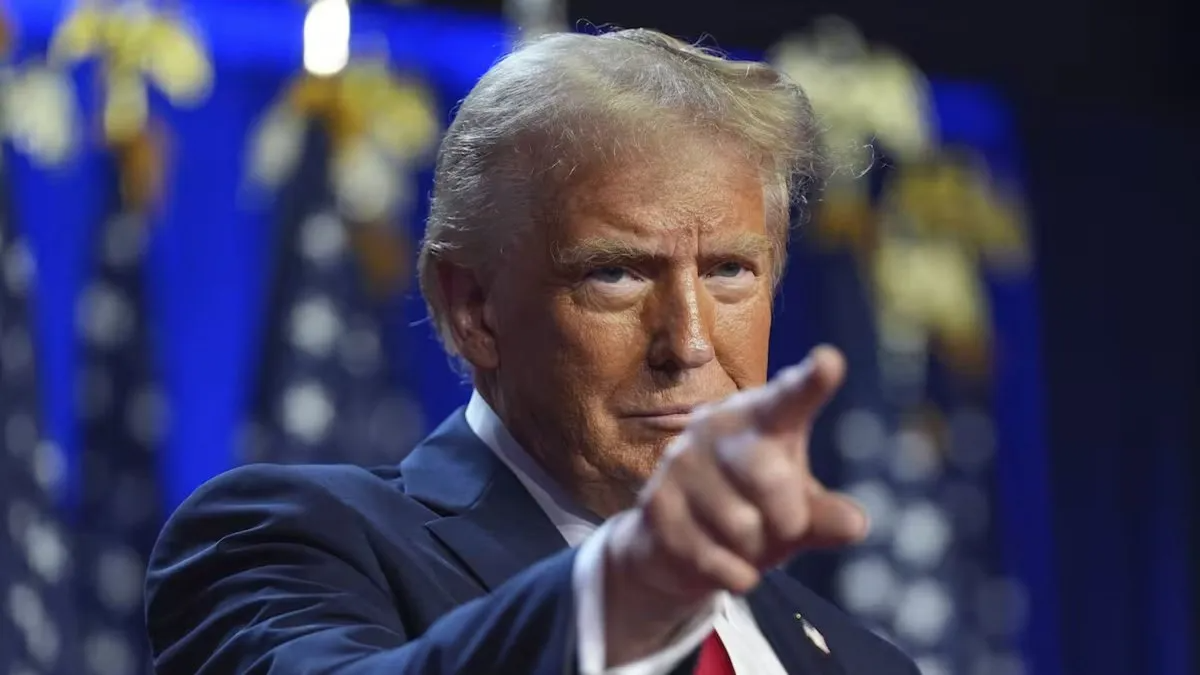
In a second statement, the IRGC responded directly to Trump's comments regarding the possible duration of the conflict. The American president had pointed out that the war could end relatively soon if the Iranian leadership collapses or decides to seek a ceasefire. However, the Iranian military rejected that idea and threatened that it will be Iran that will determine the outcome of the conflict
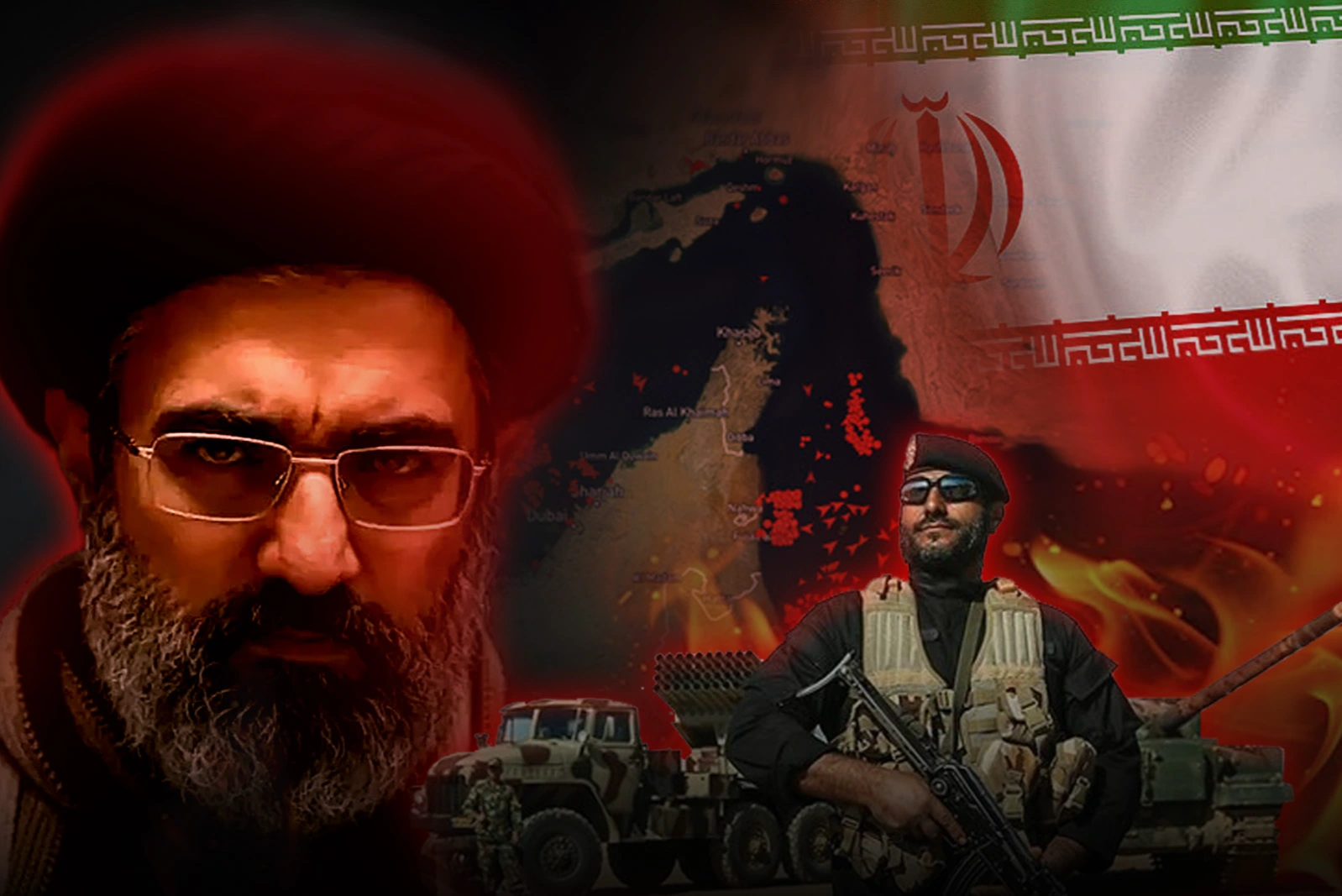
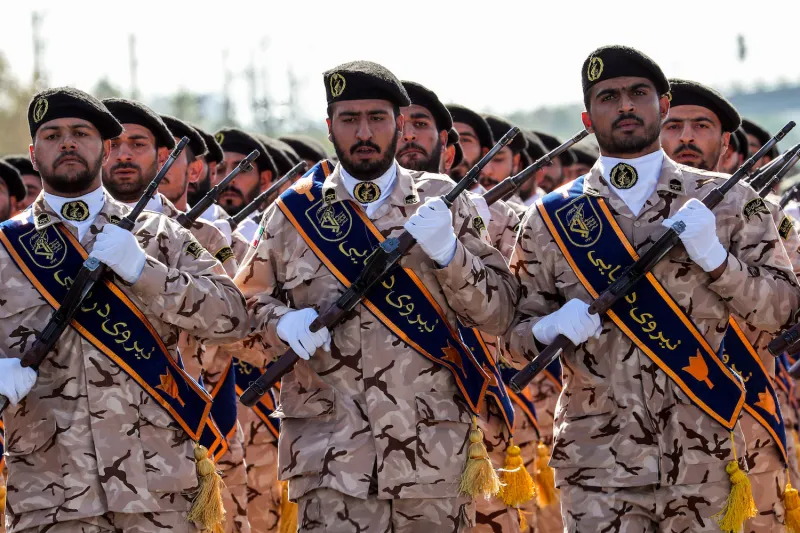
The Iranian Islamic Revolutionary Guard (IRGC) launched new threats that have generated international concern, suggesting that it could use strategic control of the Strait of Hormuz as a tool of political pressure in the midst of an escalating conflict in the Middle East.
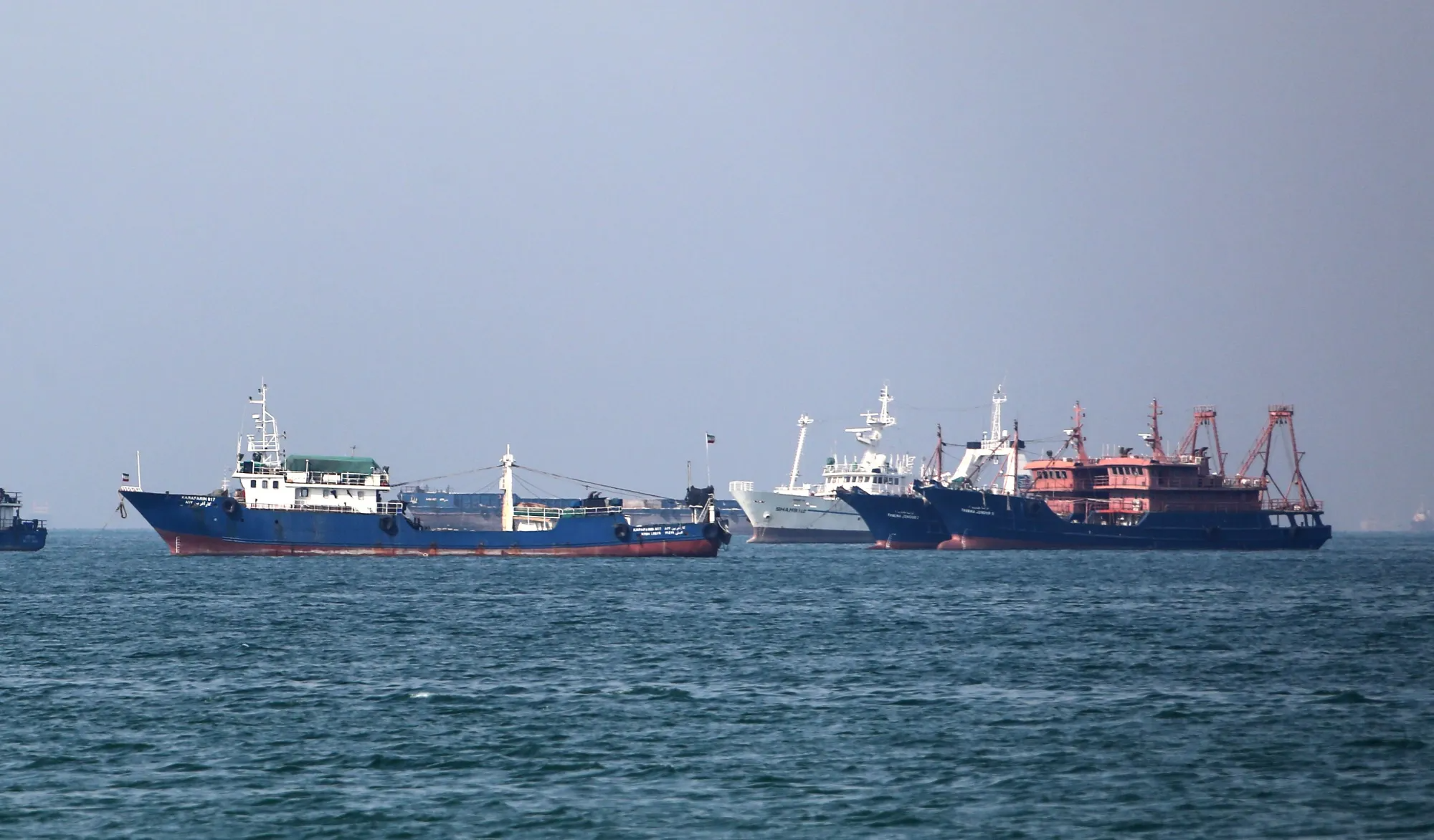
The Strait of Hormuz is one of the most important strategic points in global energy trade. Located between Iran and the coasts of Oman and the United Arab Emirates, approximately one-fifth of the global oil transported by sea circulates through this waterway. Because of this importance, any threat of restriction or control of traffic in the area causes immediate concern in international energy markets.
The Iranian Revolutionary Guard seeks to use the Strait of Hormuz as a political weapon against the United States and Israel
The IRGC's statements come amid the growing confrontation between Iran, the United States and Israel following military operations directed against Iranian targets. U.S. President Donald Trump has defended these actions, arguing that they are necessary to weaken Tehran's military capabilities, especially its missile and drone programs, which are considered a
.
“It is we who will determine the end of the war,” the IRGC said in its statement, adding that “U.S. forces will not decide the outcome of the conflict.” This message was interpreted as an attempt to project force and publicly challenge Washington's military pressure
. The President of the United States stressed that if the Iranian regime collapses, the war could end very soon
The military group also issued an additional warning related to regional energy trade. IRGC officials said that Iran could prevent oil exports from the region if military attacks by the United States and Israel continue. According to the military spokesman, Tehran would not allow “even a liter of oil” to leave the Gulf if military operations continue
.
These statements have been criticized by experts and international governments, who consider that using maritime routes vital to global trade as a tool of political pressure represents a dangerous escalation. The Strait of Hormuz is a key international waterway for the world's energy supply, so any attempt to block or condition its use could have significant economic consequences
.
Energy markets are closely watching the situation. Any real interruption in the flow of oil through the strait could cause an abrupt increase in oil prices and affect economies dependent on energy imports
. A fifth of global oil circulates through the Strait of Hormuz