
La Derecha Diario logo
ESX logoInstagram logoYouTube logoTikTok logoFacebook
ARGENTINABOLIVIAECUADORISRAELMEXICOURUGUAYDERECHA DIARIO TV
  • ES
    XInstagramYouTubeTikTokFacebook
  • DERECHA DIARIO TV
  • Secciones
  • ARGENTINA
  • BOLIVIA
  • ECUADOR
  • ISRAEL
  • MEXICO
  • URUGUAY
  • Países
  • La Derecha Diario logoLA DERECHA DIARIO
  • La Derecha Diario México logoLA DERECHA DIARIO MÉXICO
  • La Derecha Diario Uruguay logoLA DERECHA DIARIO URUGUAY
  • La Derecha Diario Ecuador logoLA DERECHA DIARIO ECUADOR
  • La Derecha Diario Bolívia logoLA DERECHA DIARIO BOLÍVIA
  • La Derechadiario República Dominicana logoLA DERECHADIARIO REPÚBLICA DOMINICANA
  • La Derecha Diario Israel logoLA DERECHA DIARIO ISRAEL
  • La Derecha Diario Estados Unidos logoLA DERECHA DIARIO ESTADOS UNIDOS
  • Temas
  • GUERRA EN IRÁN
  • JUICIO POR YPF
  • El Diario
  • QUIENES SOMOS
  • AUTORES
  • PUBLICIDAD
  • DONAR

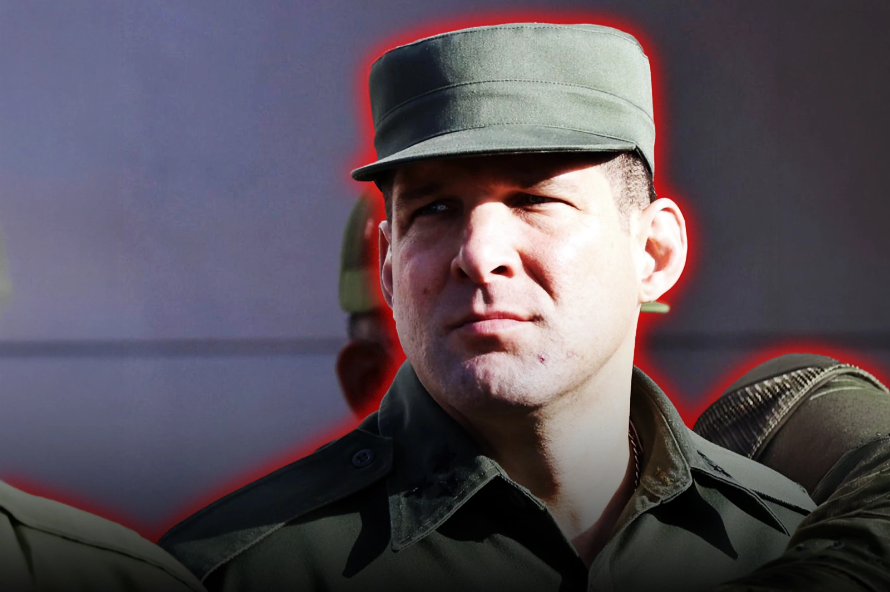
Raúl Castro's grandson is said to have handed over his grandfather to the CIA for him to be captured like Maduro.

Raúl Castro's grandson is said to have handed over his grandfather to the CIA for him to be captured like Maduro.
Imagen de Editorial Team
porEditorial Team
Estados Unidos

Several versions claim that Raúl Guillermo Rodríguez Castro has engaged in conversations with the Trump administration to hand over his grandfather.

NuevoAgregar La Derecha Diario en
Compartir:

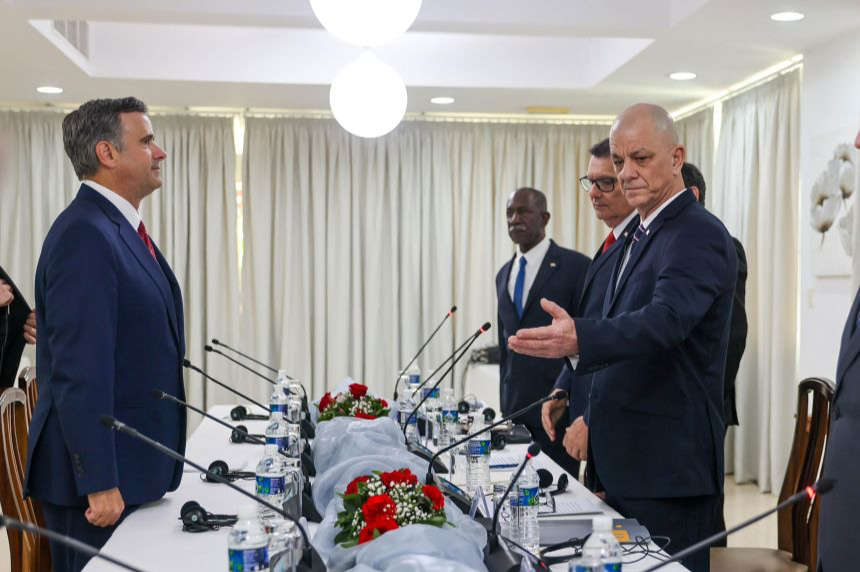
The CIA director, John Ratcliffe, made a high-level visit to Cuba where he held meetings with officials from the Cuban government's security and intelligence apparatus, in a meeting that has reignited speculation about a possible shift in relations between Washington and Havana.

According to U.S. and Cuban sources, Ratcliffe met with the Minister of the Interior Lázaro Álvarez Casas, the head of Cuban intelligence services, and Raúl Guillermo Rodríguez Castro, grandson of former president Raúl Castro, known as ''El Cangrejo''.

The Cuban president Miguel Díaz-Canel did not participate in the meeting, a detail that analysts have interpreted as a sign that the United States might be exploring alternative communication channels within the Cuban power structure.

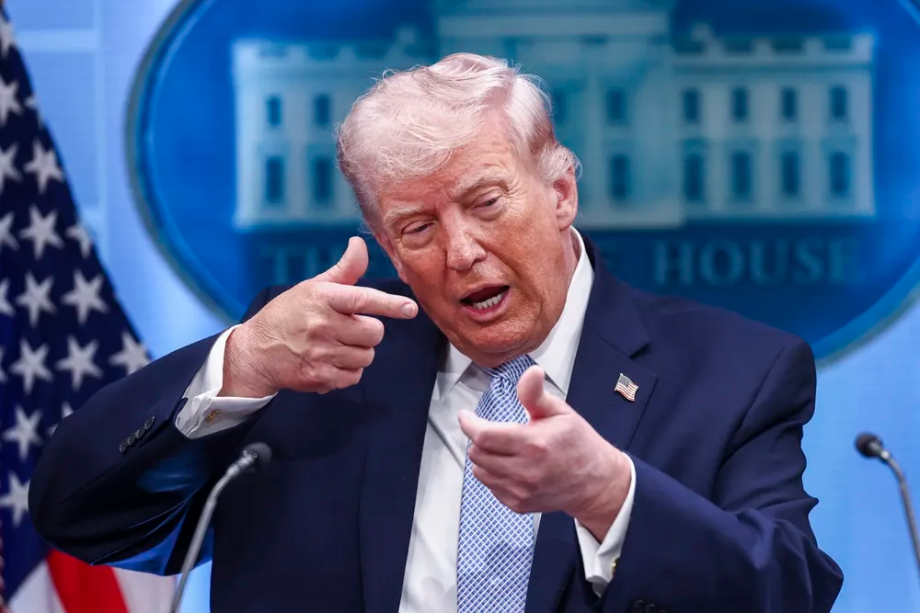
A CIA official confirmed the meetings and explained that the agency's director conveyed a direct message from President Donald Trump. In this message, Washington stated it was willing to ''seriously engage on economic and security issues'', but only if Cuba agrees to implement profound structural changes in its political system. The same message included a warning: ''Cuba can no longer be a safe haven for adversaries in the Western Hemisphere''.
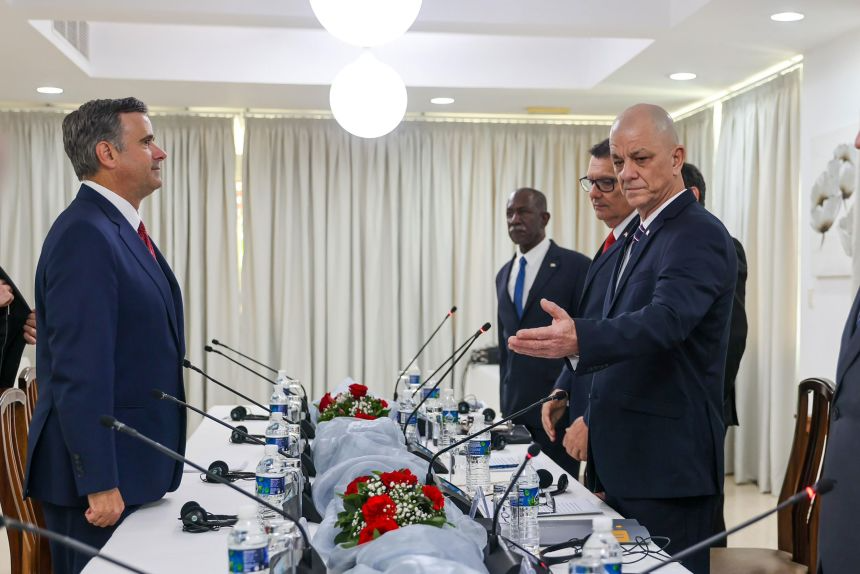
The CIA director met with key officials from the Cuban administration.

The meeting occurs in a context of increasing U.S. pressure on the Cuban government, which includes economic sanctions, energy restrictions, and a hardening of policy towards the island. Washington accuses the Cuban regime of maintaining ties with actors considered hostile in the region and of using its intelligence apparatus to sustain alliances that challenge U.S. strategic interests.

The role of Raúl Guillermo Rodríguez Castro has been one of the most striking elements of the meeting. Grandson of Raúl Castro and a former member of the presidential security circle, Rodríguez Castro has held positions related to the protection of Cuban leadership, including tasks associated with internal security services. Although he has not held formal political positions, his closeness to the Castro family makes him a figure with privileged access within the island's power system.

According to sources close to the process, Rodríguez Castro may have had prior contacts with U.S. authorities, including a discreet meeting with Secretary of State Marco Rubio during a regional summit in the Caribbean. This background may have facilitated his role as an interlocutor in the current rapprochement between both countries.

In parallel, there have been reports suggesting that Raúl Castro's grandson might be considering cooperating with the United States in possible judicial or international investigation processes related to historical figures of the Cuban regime. These reports even raise the possibility that he could provide information or facilitate actions that would directly affect his grandfather, although there is no official confirmation of such intentions.
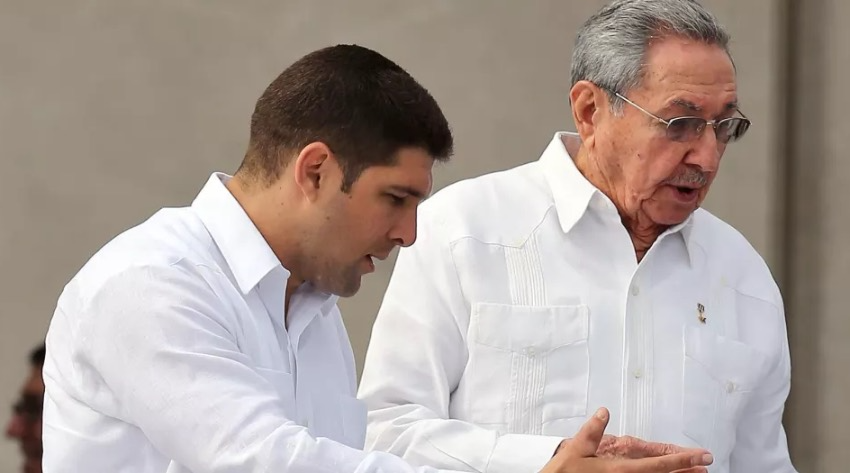
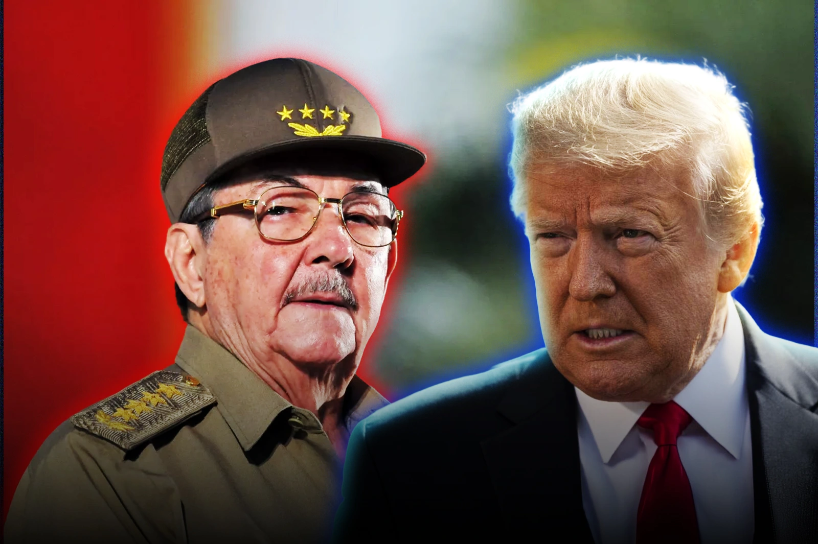
There have been reports claiming that Castro's grandson is planning a joint operation with the U.S. to hand over his grandfather.

If such a scenario were to materialize, it would be an unprecedented event in Cuban political history, with profound implications for the internal structure of the regime and for the stability of the Castro family, which has dominated power on the island for over six decades.

The U.S. government has not confirmed these reports and has limited itself to stating that any progress in relations will depend on substantial changes in Cuba. Washington insists on the need for political reforms, greater institutional openness, and cooperation on regional security matters.

For its part, the Cuban government issued a statement describing the meeting as part of a ''complex context of bilateral relations'' and asserted that the goal was to explore dialogue spaces. Havana maintains that the island does not pose a threat to the United States and has denounced that economic sanctions aim to force a regime change.

Despite the differences, the meeting between the CIA and high-ranking Cuban officials represents one of the most significant contacts between both countries in recent years. The inclusion of figures from the security apparatus, along with a member of the Castro family, suggests an unusual level of dialogue in recent bilateral diplomacy.

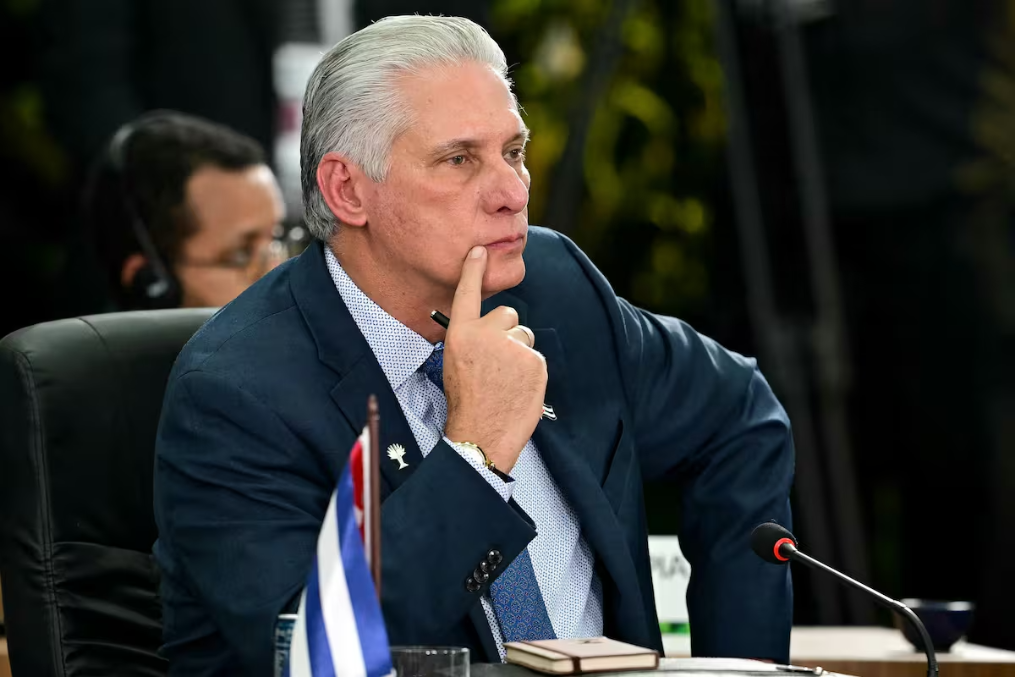
The current dictator of the Cuban regime was excluded from the conversations between the United States and Cuba.

The exclusion of Díaz-Canel from the meeting reinforces the hypothesis that Washington may be evaluating internal dynamics within the Cuban system, in search of possible interlocutors outside the formal political structure. Such indirect approaches have historically been used in contexts of high diplomatic tension.

The message conveyed by the Trump administration also reflects the hardline stance of U.S. policy towards Cuba, centered on the demand for structural changes as a prerequisite for any progress in relations. The phrase ''Cuba can no longer be a safe haven for adversaries in the Western Hemisphere'' encapsulates that position.

For now, neither the United States nor Cuba have confirmed concrete advances resulting from the meeting. However, the meeting between the CIA director and high-ranking officials of the Cuban security apparatus opens a new chapter in a relationship historically marked by distrust, confrontation, and intermittent attempts at rapprochement.

President Trump would have conditioned any progress in relations with Cuba on deep structural changes.


La Derecha Diario logo
TwitterInstagramYouTubeTikTokFacebook
Derecha Diario TV

Nosotros

  • Quienes Somos
  • Autores
  • Donar

Privacidad

  • Protección de datos
  • Canales
  • Sitemap
  • RSS

Contacto

  • info@derechadiario.com.ar
PUBLICIDAD

Noticias relacionadas

Trump's CIA director, John Ratcliffe, met in Havana with regime officials.

Trump's CIA director, John Ratcliffe, met in Havana with regime officials.

The Trump administration is considering charging Raúl Castro for the downing of planes in 1996 during the Cuba-U.S. conflict.

The Trump administration is considering charging Raúl Castro for the downing of planes in 1996 during the Cuba-U.S. conflict.

Trump achieves historic agreements in China: Xi will resume purchasing U.S. oil and is open to Boeing airplanes.

Trump achieves historic agreements in China: Xi will resume purchasing U.S. oil and is open to Boeing airplanes.

The Buenos Aires Legislature approved the RIGI and the RIMI promoted by La Libertad Avanza.

The Buenos Aires Legislature approved the RIGI and the RIMI promoted by La Libertad Avanza.

The Senate gave half approval to the free trade agreement between MERCOSUR and Singapore.

The Senate gave half approval to the free trade agreement between MERCOSUR and Singapore.

Milei visited Gordo Dan and congratulated Profe Álvarez: “What a beating you gave that criminal.”

Milei visited Gordo Dan and congratulated Profe Álvarez: “What a beating you gave that criminal.”