The Department of Education opened investigations against five districts from different states for policies that would allow keeping students' gender identity changes secret from families. The Trump administration seeks to reinforce parents' rights and ensure that educational institutions comply with federal laws regarding privacy and access to school records.
The initiative, announced on Wednesday, targets practices that exclude parents from especially sensitive decisions about their children and allow the implementation of wild gender transition processes without informing them or seeking their consent.
The investigations are led by the Student Privacy Policy Office (SPPO), which has scrutinized five educational systems: Colonial School District in Pennsylvania; Eau Claire Area School District in Wisconsin; Thompson School District in Colorado; Community Unit School District 300 in Illinois; and St. Paul Public Schools in Minnesota.
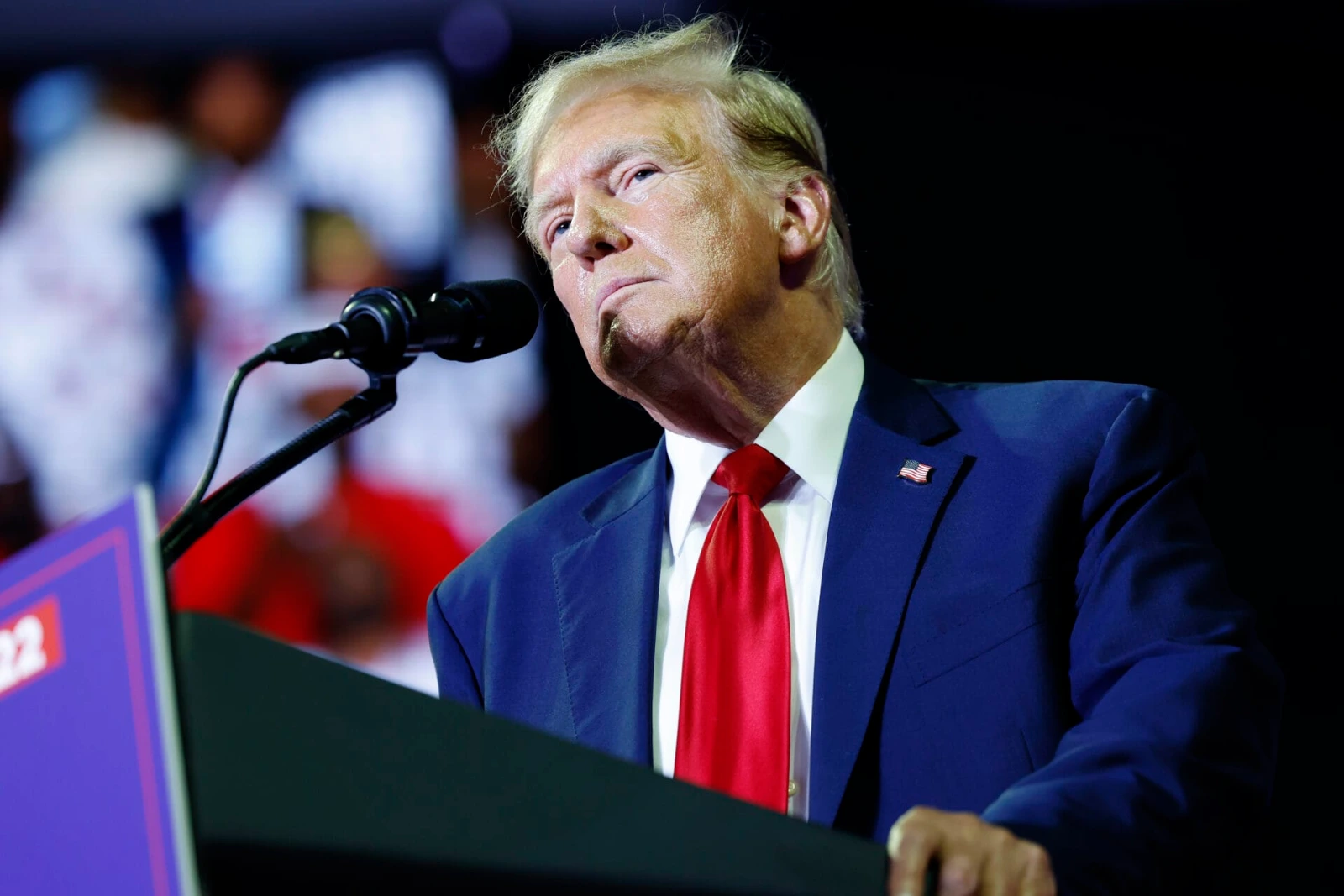
The Donald Trump administration launched an investigation against five school districts across the country for excluding parents of children on gender issues
The government argues that these districts implemented confidential gender support plans in which students are consulted about the names and pronouns they prefer to use, access to counseling services, and the conditions under which schools should keep that information from their parents or guardians.
Authorities also question that some establishments store those documents in separate systems from educational records that families can access. According to the complaints, certain policies allow school staff to use the student's legal name and sex when communicating with their parents while using different names and pronouns within the institution.
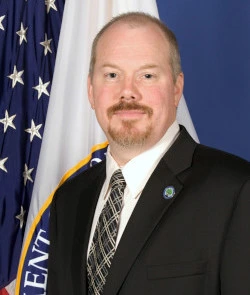
The director of the SPPO, Frank Miller, defended the investigations and warned that schools cannot unilaterally decide what information to share with families.
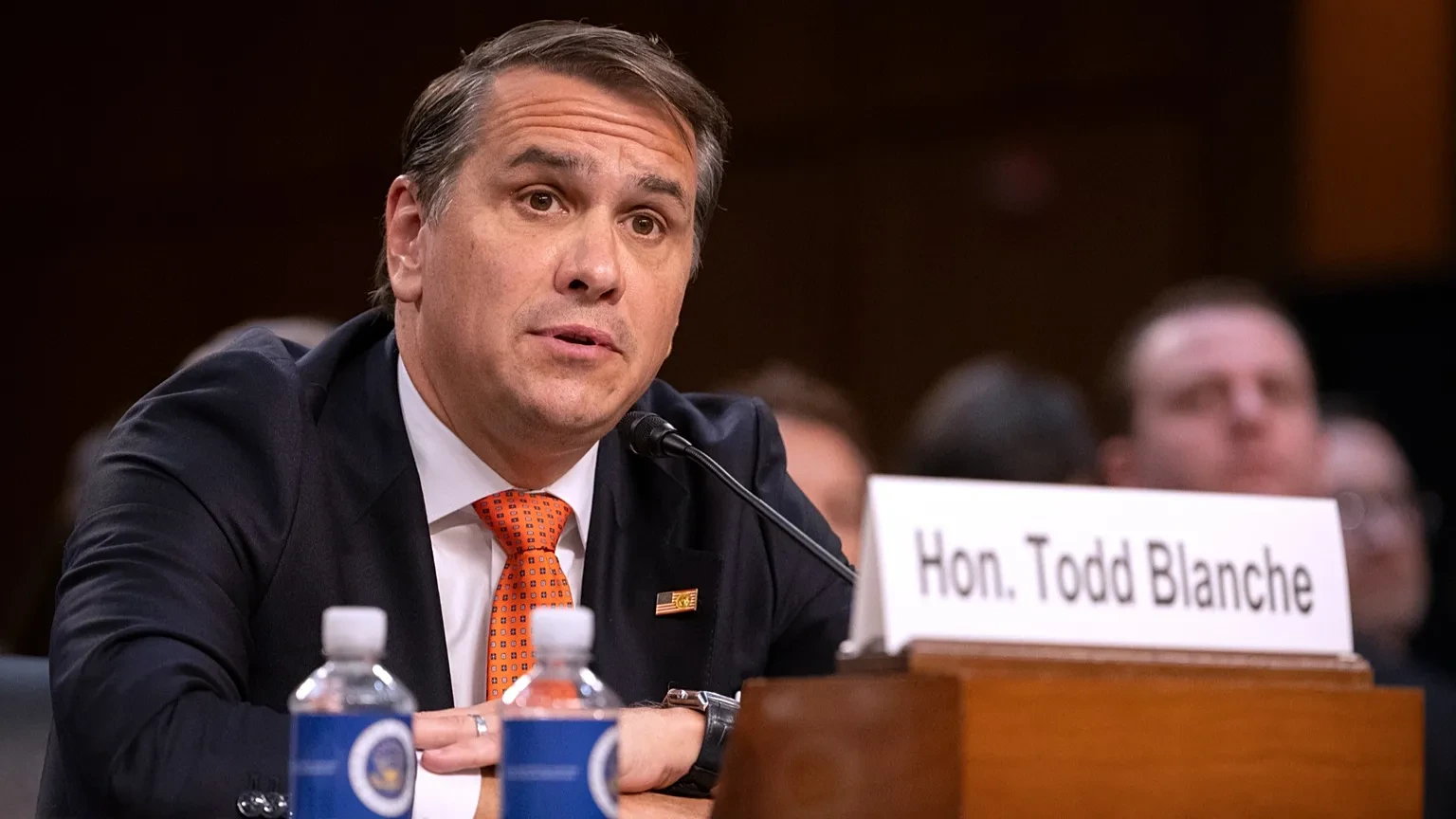
The director of the Office of Student Privacy Policy, Frank Miller, defended the investigations carried out by the federal government
''The practice of schools hiding the most sensitive information about their children from their own parents is unacceptable," he stated. He also emphasized that federal legislation sets the limits of action for educational institutions and that parents are the primary decision-makers regarding their children's lives and education.
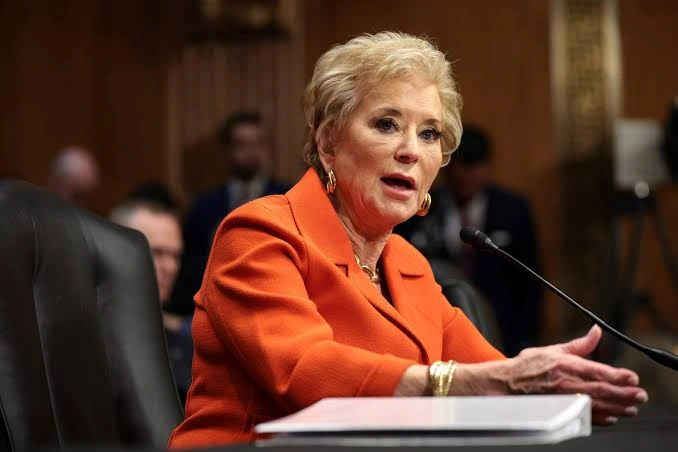
The Secretary of Education, Linda McMahon, publicly supported the measure. In a post last Wednesday, she stated that it is unacceptable for a school district to exclude families from such delicate decisions.
''As a mother and grandmother, it is inconceivable that any school district would exclude parents from the most sensitive decisions about their children,'' she wrote. She also assured that the government will use all the tools at its disposal to prevent families from remaining uninformed.
The Secretary of Education of the Trump administration assured that they will use all available tools to prevent disinformation from families
The policies questioned by Washington
The investigations seek to determine if the districts violated two federal laws: the Protection of Pupil Rights Amendment (PPRA), which establishes parental consent requirements for certain surveys about sensitive information, and the Family Educational Rights and Privacy Act (FERPA), which guarantees parents access to their children's educational records.
Among the policies examined, ''Colonial School District'' recognizes students' ''right to keep their gender status private'' and states that no additional consent from parents or guardians is required. Its form also asks students which adult they consider trustworthy and whether they want their families to be informed.
In Wisconsin, the ''Eau Claire'' plan asks students how safe they feel communicating their identity or gender transition to their parents, which school staff members they consider trustworthy, and which bathrooms or locker rooms they prefer to use.
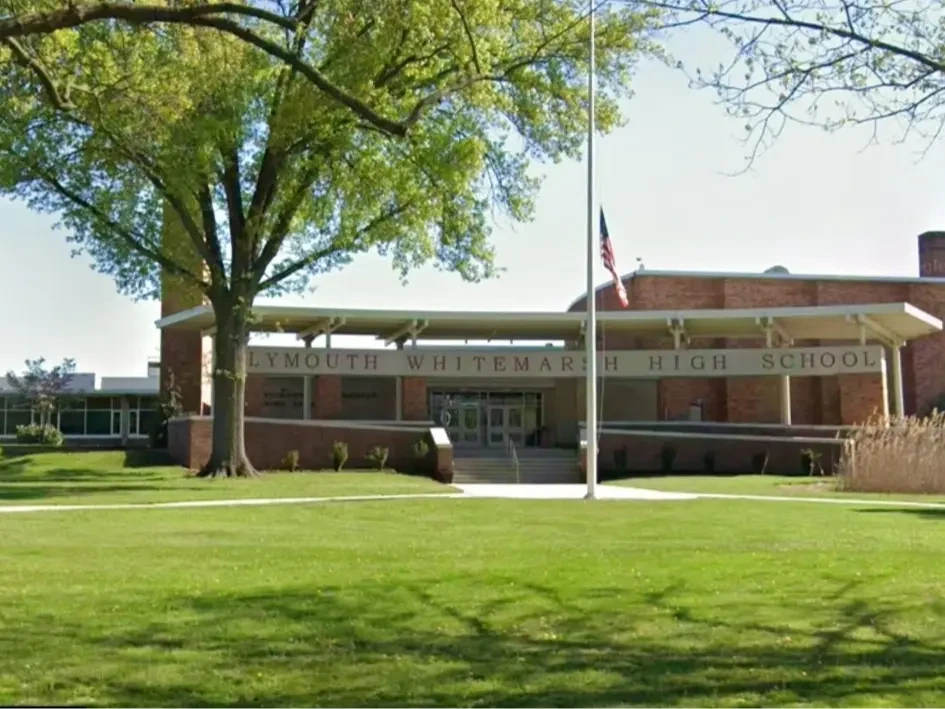
In a Pennsylvania school district, schools will recognize students' “privacy” to decide their gender without parents knowing
For its part, the ''Thompson School District'' guidelines indicate that employees must talk to students about the possible difficulties of involving their parents. The ''Community Unit School District'' 300 form allows students to determine how much information is shared with their families.
In Minnesota, the gender inclusion policy of ''St. Paul Public Schools'' states that the school and the student will decide the level of parental involvement in social transitions. Its support plan also requests the preferred name, gender, and pronouns.
Failure to comply with FERPA or PPRA may result in the loss of federal funds, a tool that the Department of Education can use to demand changes in school policies.
Failure to comply with guidelines issued by the Department of Education could result in the removal of federal funding from schools and their districts.
A federal offensive that has already reached other states
The new investigations add to a series of measures pushed by the Trump administration against districts and educational authorities accused of hiding information about students' gender identity.
In July, the Departments of Education and Justice intervened in the cases of ''Anne Arundel County Public Schools'' in Maryland and ''Ann Arbor Public Schools'' in Michigan. In the first district, federal authorities reported that information about gender identity was treated as classified as confidential medical data that could not be shared with parents. A family discovered through an email that the school was using male pronouns to refer to their daughter.
In August, the Department of Education reached an agreement with ''Topeka Public Schools'' in Kansas. The district agreed to share existing gender support plans with parents, stop creating new documents of that kind, revoke contrary policies, and train its employees on federal laws. Although its authorities rejected the government's findings, they accepted the conditions to preserve federal funding.
The Department of Justice also filed a lawsuit against ''Kansas City Public Schools'' for allowing students to request to exclude their parents from meetings related to gender transition plans. The district denies having violated the legislation.
The U.S. Department of Justice filed a lawsuit against a school district in Kansas for allowing students to exclude their parents from meetings related to gender issues.
California has also come under federal pressure. In January, the SPPO determined that the state Department of Education continued to violate FERPA. Washington particularly questioned the influence of state laws and guidelines, including AB 1955, which pressure districts to keep gender support plans secret and prevent families from accessing that information.
McMahon then accused California of abusing its authority by pressuring school officials to hide information from parents about their children's so-called gender transitions.
In March 2025, the government had also opened similar investigations against the Departments of Education in Maine and California.