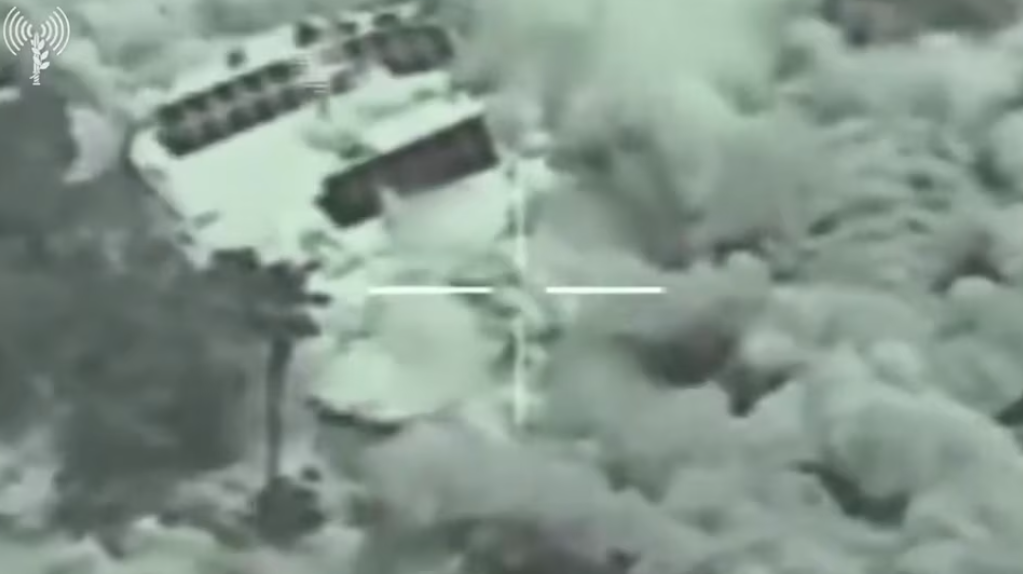
The Israel Defense Forces confirmed on Tuesday that it has eliminated more than 350 Hezbollah terrorists and attacked over 1,100 military targets in southern Lebanon since the ceasefire began on April 17.
According to the official Israeli statement, the operations targeted:
Weapon depots
Ready-to-fire rocket launchers
Military infrastructure
Operational terrorist centers
Positions used by Hezbollah
Israel stated that the attacks are part of actions aimed at ensuring compliance with the truce and preventing further attacks against Israeli territory.
The IDF maintains pressure on Hezbollah
The Israeli army claims that Hezbollah continues to attempt to rebuild military capabilities in southern Lebanon despite the ceasefire initiated by Washington.
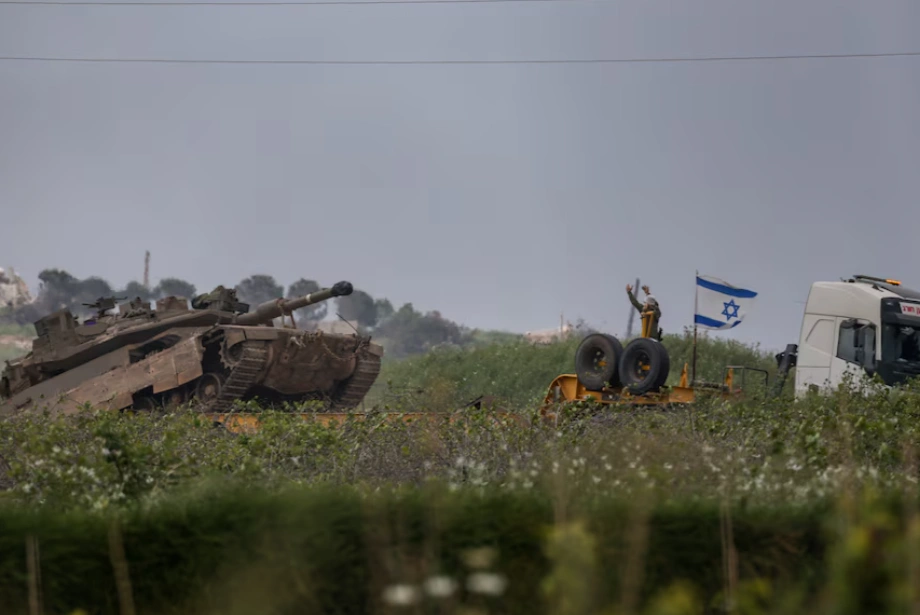
For this reason, the IDF maintains ongoing operations within the so-called "yellow line," a strategic strip located north of the Israeli border.
Israel believes that Hezbollah still poses a direct threat to the security of its citizens, especially after the attacks launched by the terrorist group since March.
Hezbollah threatens to turn the front into "a hell"
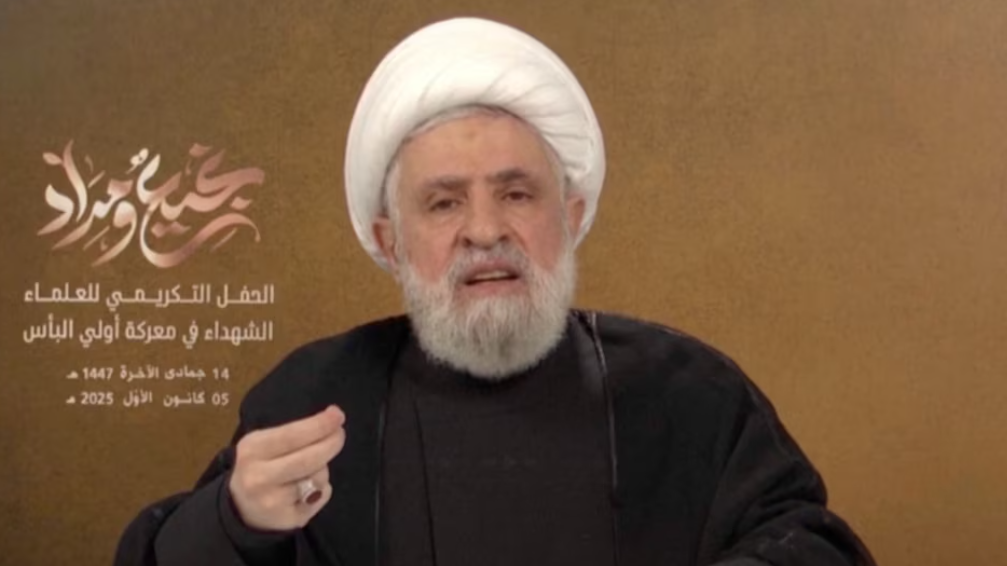
As Israel deepens its offensive, Hezbollah leader Naim Qassem has once again issued threats against the Israeli state.
The terrorist leader stated that his fighters will turn the combat front into "a hell" for Israeli forces and rejected any possibility of disarmament.
Hezbollah does not want peace in the Middle East.
"No one outside of Lebanon has anything to do with the weapons of the resistance," Qassem stated in a message broadcast by Al-Manar channel.
He also called for abandoning direct negotiations with Israel, considering them "free concessions."
The United States seeks an agreement between Israel and Lebanon
Tension arises as talks led by Donald Trump continue in an attempt to stabilize the Israeli northern border.
A new round of negotiations between representatives of Israel and Lebanon is scheduled to take place in Washington this week.
U.S. Secretary of State Marco Rubio recently stated that a peace agreement between the two countries "is absolutely achievable."
However, Washington insists that any lasting solution will depend on the complete disarmament of Hezbollah and the strengthening of the Lebanese state.
Hezbollah has once again dragged Lebanon into war
The IDF tamed the Hezbollah terrorists.
The current conflict began on March 2, when Hezbollah launched rocket attacks against Israel in support of the Iranian regime following the death of Ayatollah Ali Khamenei during the joint Israeli and U.S. offensive against Iran.
The Israeli response included:
Massive bombings
Ground operations
Elimination of terrorist commanders
Attacks on military infrastructure
Since then, the situation in southern Lebanon remains extremely tense despite the formally active ceasefire.
Israel states it will continue to act against terrorist threats
The Israeli government made it clear that it will continue military actions as long as Hezbollah maintains an armed presence near the border.
The IDF believes that the terrorist group, funded and armed by Iran, continues to attempt to reorganize and prepare new attacks against Israel.
The Israeli offensive aims to prevent Hezbollah from regaining military capabilities similar to those it had before the current conflict and to reinforce security in the northern part of the country.