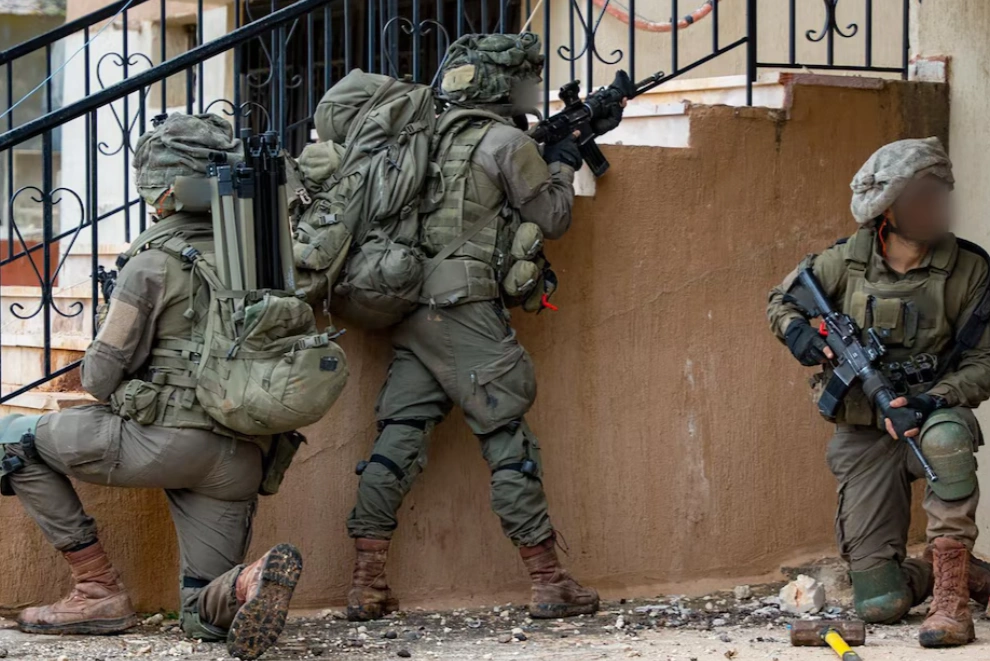
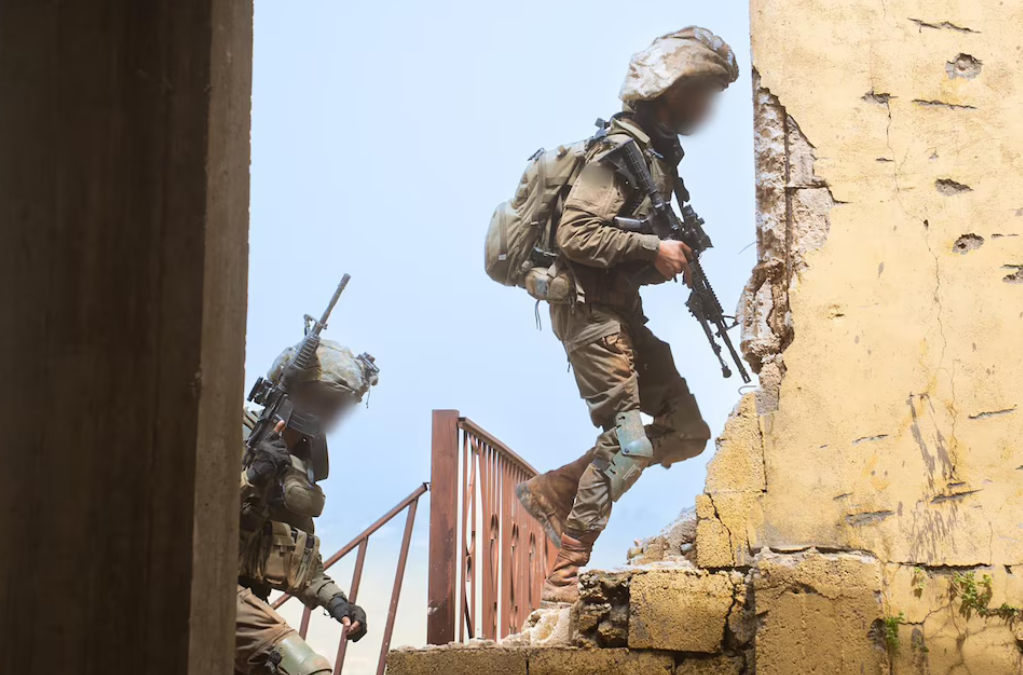
The operations were carried out by the Bislah Brigade under the command of Division 91, as part of the offensive initiated after Hezbollah's participation in the regional conflict.
Israel Defense Forces (IDF) dealt a resounding blow against the terrorist group Hezbollah. According to reports, more than 1,000 infrastructures used by the militia were destroyed in southern Lebanon
.
The operations were carried out by the Bislah Brigade under the command of Division 91, as part of the offensive initiated after Hezbollah's participation in the regional conflict.
Massive destruction of terrorist infrastructure
Among the objectives achieved were:
Weapons depots
Buildings with booby traps
Operating bases
Logistic centers The
IDF also confirmed the
discovery
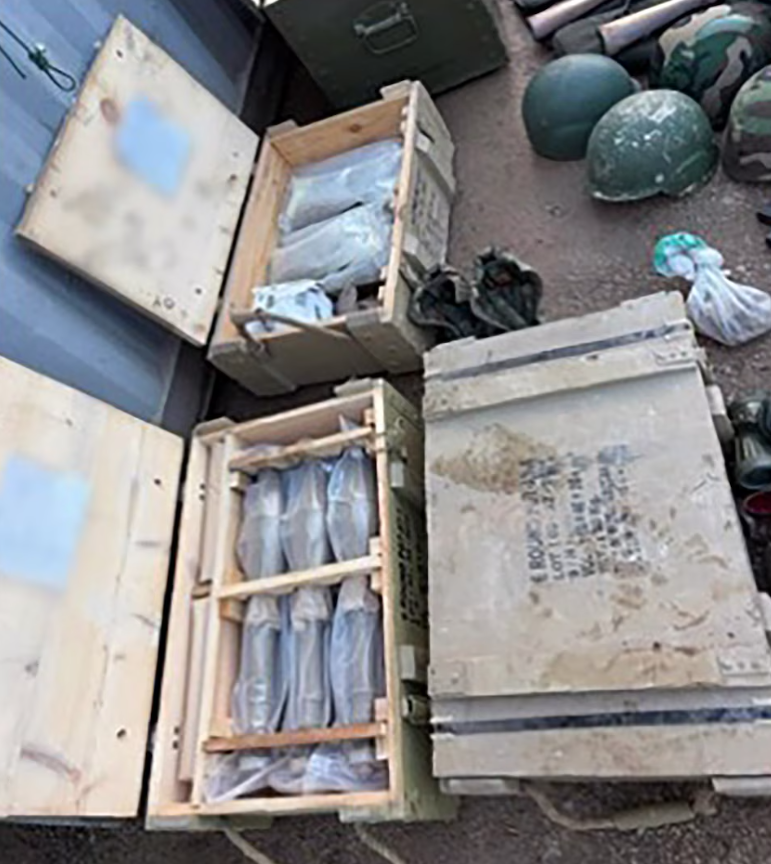
of a significant arsenal.
Weapons seized and neutralized
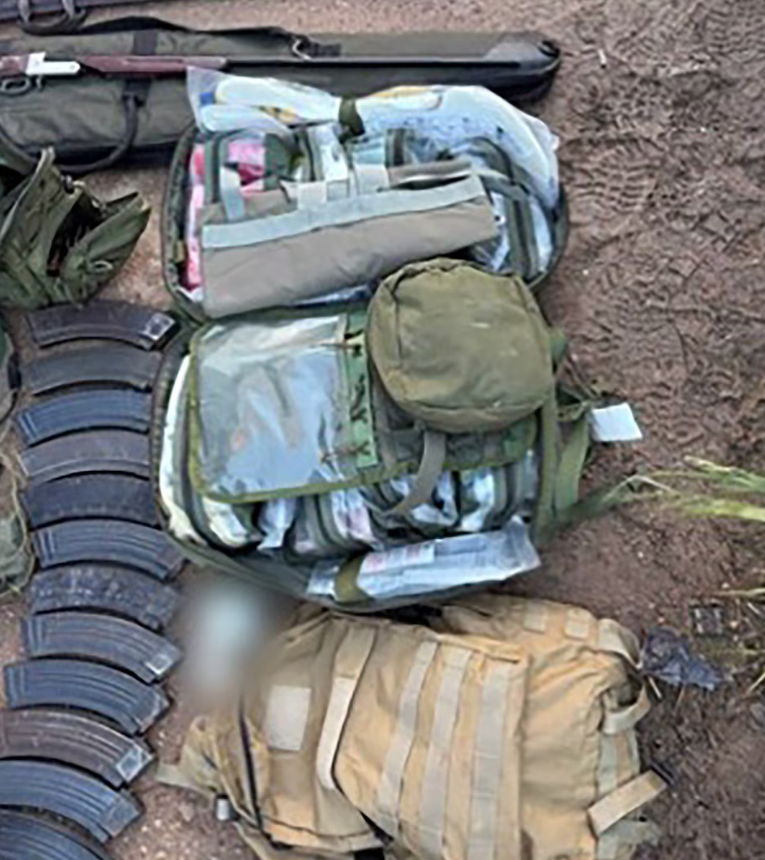
During the operations, Israeli forces found hundreds of
weapons.
Among them:
Kalashnikov rifles
Machine
Guns
Grenades and mines
Anti-tank missiles
RPG rockets
Mortar shells
This material, according to the army,
was intended
for attacks against Israeli territory.
“Arsenal reduced to 10%”
Prime Minister Benjamin Netanyahu highlighted the impact of the offensive
.
He said that Hezbollah's missile capacity was reduced to 10% compared to the beginning of the conflict.
He also noted that the main current threats are:
Short-range rockets
Drones and unmanned aerial vehicles
Security zone and strategic control
Israel made progress in creating a security zone
.
The operations are concentrated south and north of the Litani River.
The objective is to prevent direct attacks against communities in northern Israel.
Direct warning to Hezbollah
Defense Minister Israel Katz issued a
strong message.
“He's playing with fire,” he said, referring to the group's leadership.
And he warned: “The fire will burn Hezbollah and all of Lebanon.”
Persistent tension despite the truce
The clashes continue despite the extension of the ceasefire announced by Donald Trump
.
Hezbollah joined the conflict in support of the Iranian regime.
Since then, the military escalation has not stopped completely.
A conflict with regional impact
The Israeli offensive is part of a larger scenario in the Middle East
.
Iran's support for Hezbollah remains a central factor.
Israel maintains its strategy of neutralizing threats before they are consolidated.
A key blow in the war
The destruction of more than 1,000 infrastructures marks a turning point
.
Israel is able to significantly weaken Hezbollah's operational capacity.
And it reinforces its position in a conflict that is still open and evolving.