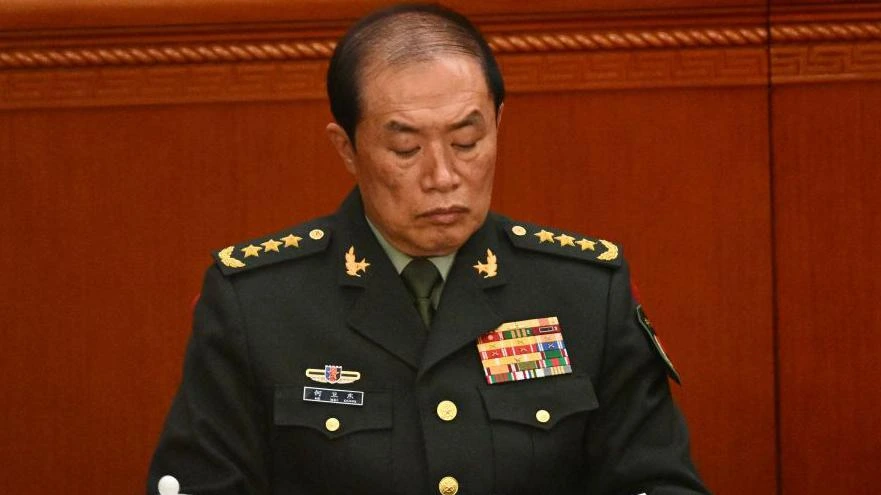
The purges have had particularly deep consequences in the Chinese Armed Forces. Of the seven members of the Central Military Commission appointed in 2022, five have been removed from their positions, leaving only Xi Jinping and Vice Chairman Zhang Shengmin, who specializes in military discipline.
Zhang was unexpectedly added to the Politburo during the meeting, an exceptional decision, as the party had not added new members to that body during an interim plenum since 1994. The reduction of the military leadership has raised questions about the operational capacity and stability of command in the Chinese Armed Forces.
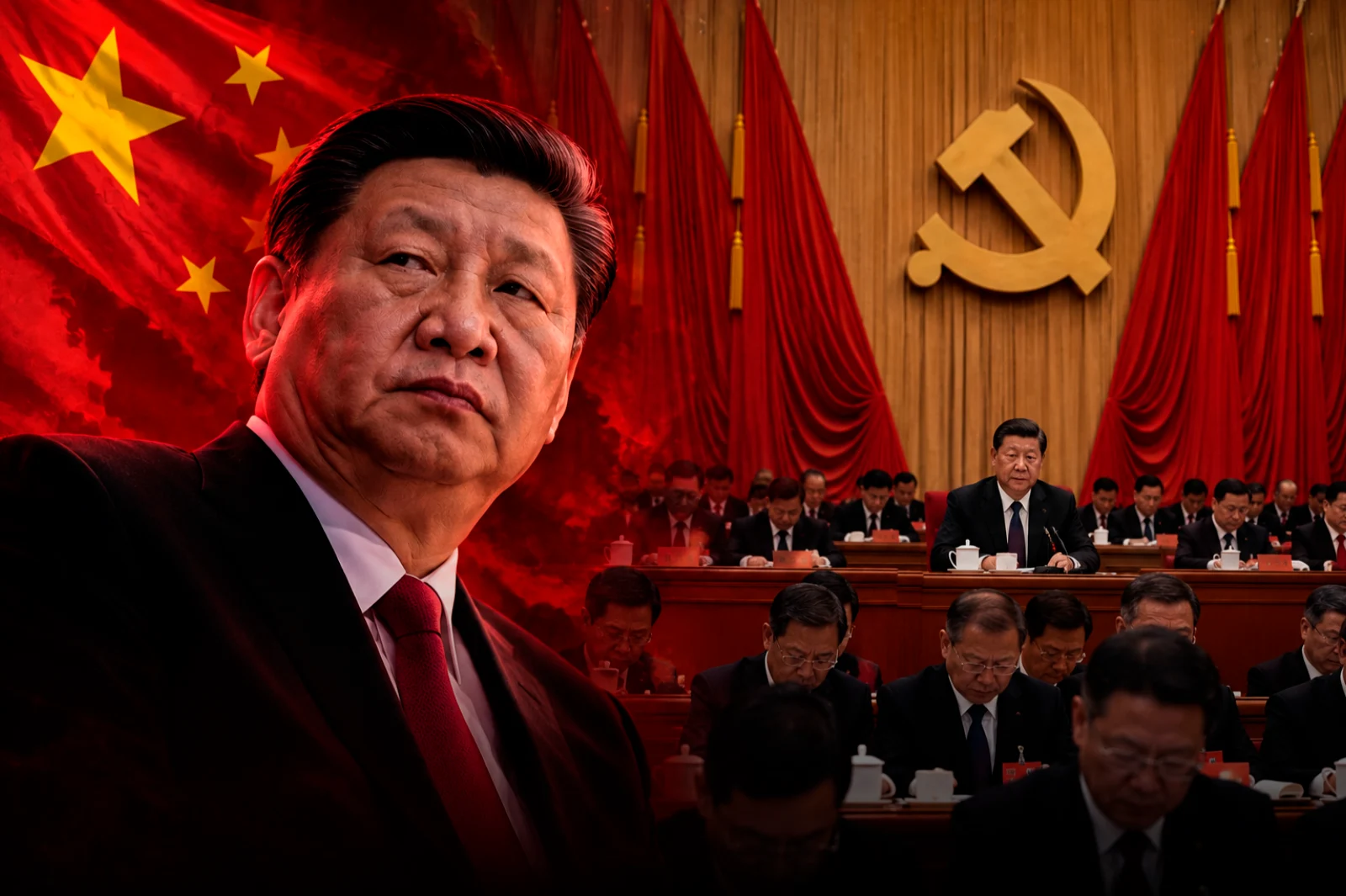
The Chinese Communist Party (CCP) recorded a record number of expulsions of high-ranking officials and the highest level of absences in its leadership since the era of Mao Zedong, amid a broad purge campaign driven by dictator Xi Jinping to reinforce internal discipline and consolidate his control over the country's political and military apparatus.
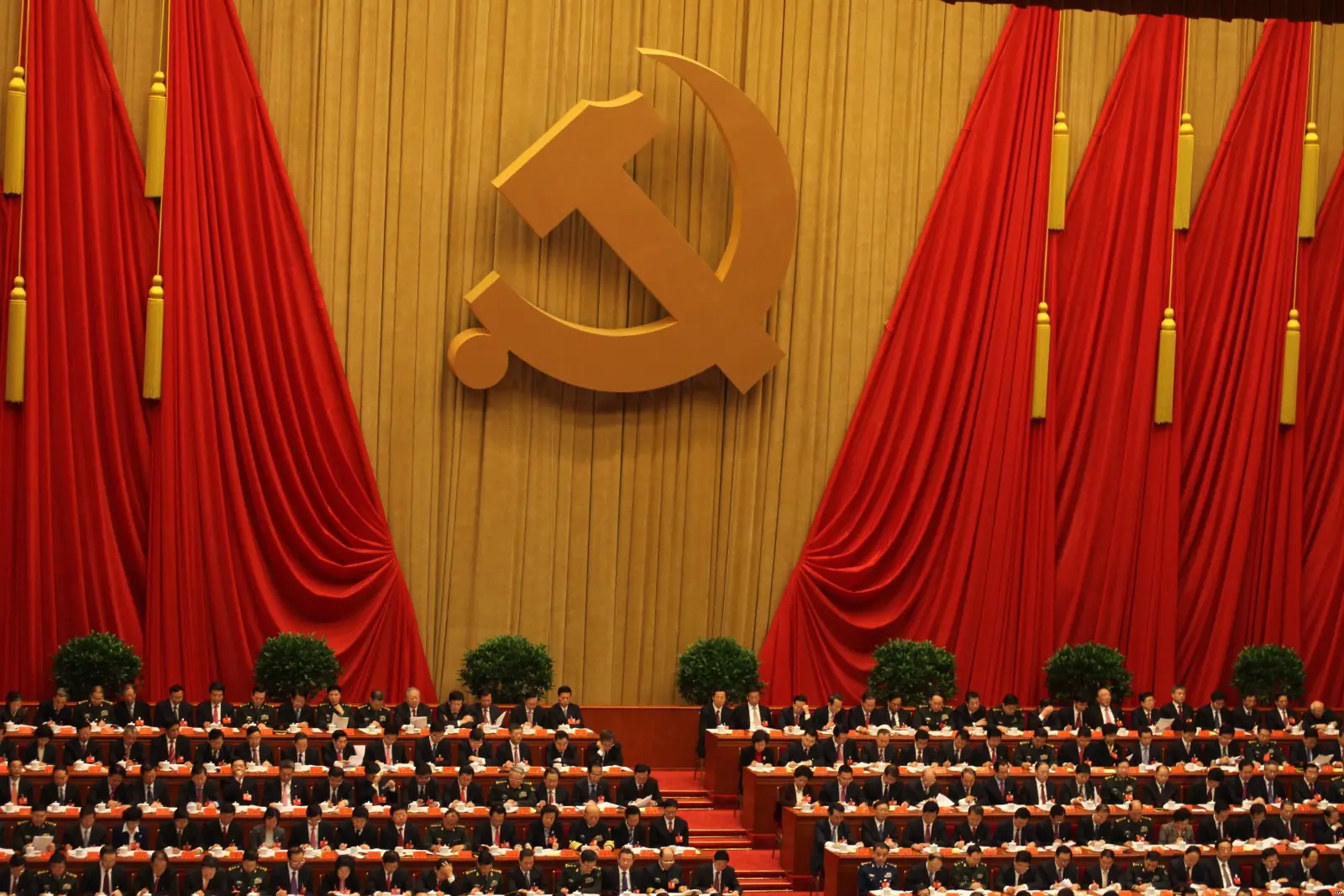
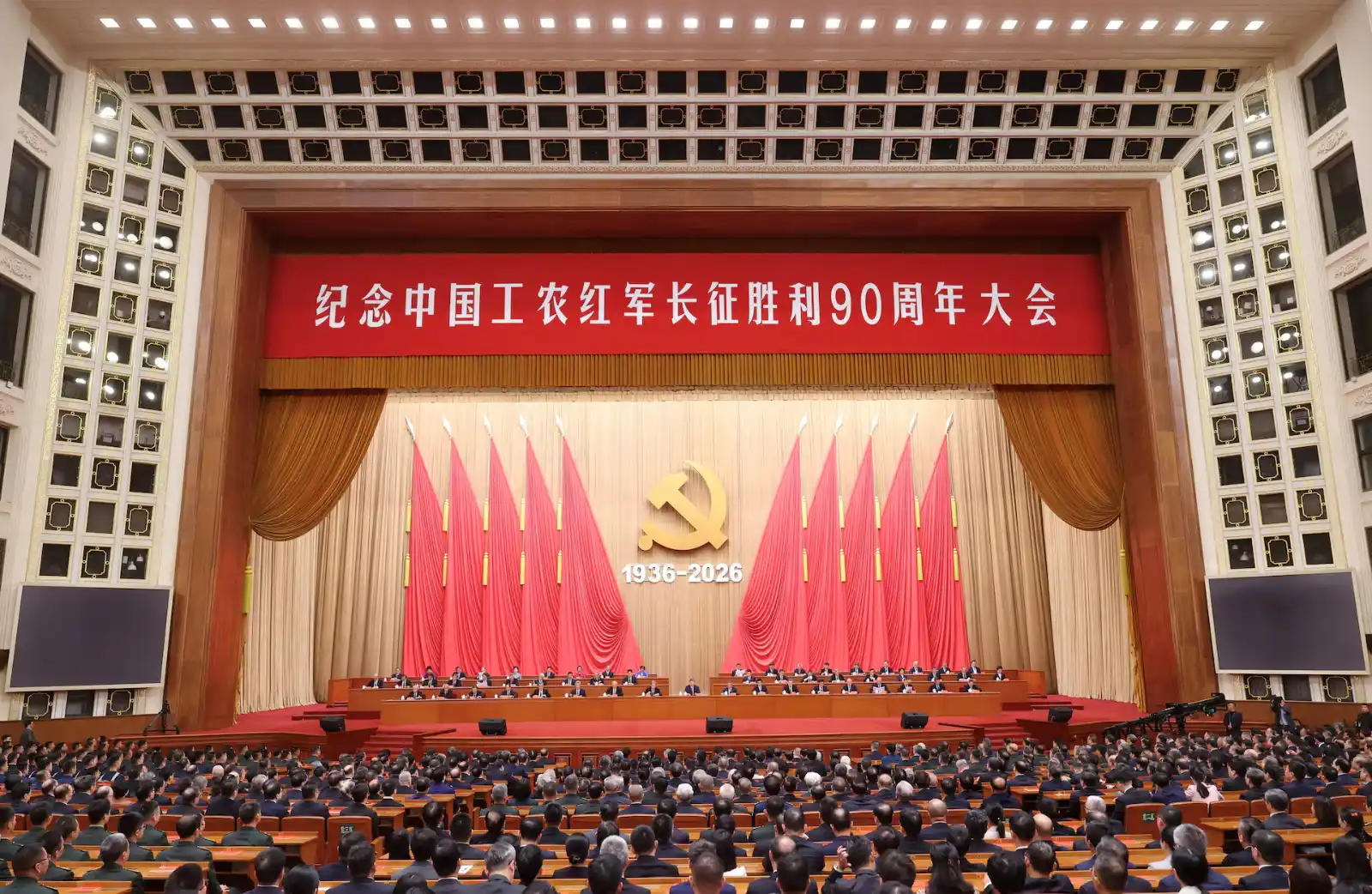
The figures were revealed during the fifth plenum of the Central Committee, held this week behind closed doors, where it was also established that the XXI Congress of the Communist Party will take place in the second half of 2027 in Beijing.
The meeting will mark a new reorganization of the Chinese regime's leadership, in which Xi is expected to remain at the head of the party for another five years.
During the current year, the Chinese Communist Party recorded a record number of expulsions of senior officials
According to a statement released by the state agency Xinhua, 279 full and alternate members of the Central Committee participated, compared to the 376 originally designated in 2022.
This represents a 25.8% absence of its initial members, the highest proportion recorded since the end of the Maoist period. Many of these absences are related to political purges and disciplinary investigations undertaken in recent years.
Despite the magnitude of the expulsions, the communist leadership presented the process as a demonstration of institutional strength and highlighted the supposed achievements of its anti-corruption campaign.
There was also a high number of absences in the leadership, with almost 26% of them not showing up for the fifth plenary session
Historic expulsions in the communist leadership
During the plenum, the party formally ratified the expulsion of 33 officials, including former Politburo members Ma Xingrui and Zhang Youxia. With these dismissals, the number of Politburo members expelled during the current term rose to three, the highest figure since 1980.
Among the sanctioned officials are also former diplomat Liu Jianchao and former Minister of Industry Jin Zhuanglong.
The top military leaders of the Xi Jinping regime have been one of the main victims of the purges.
Xi Jinping intensifies his discipline campaign
Since coming to power in 2012, Xi has made the fight against corruption one of the main instruments of his government. Shortly after assuming leadership, he warned that allowing corruption to advance could lead to the collapse of the party and the state.
Since then, millions of officials have been investigated and hundreds of high-ranking leaders have lost their positions, including former allies of the leader. Xi has defended these measures as a necessary internal revolution to eliminate the threats that he claims jeopardize the survival of the communist system.
The plenum's statement asserted that the concentration of authority in Xi has allowed for the correction of historical irregularities, strengthened discipline, and eliminated risks within the party, the state, and the Armed Forces.
However, the continuation of the purges also highlights the difficulties of the regime in controlling corruption through its own internal mechanisms, in a system characterized by the absence of independent political controls.
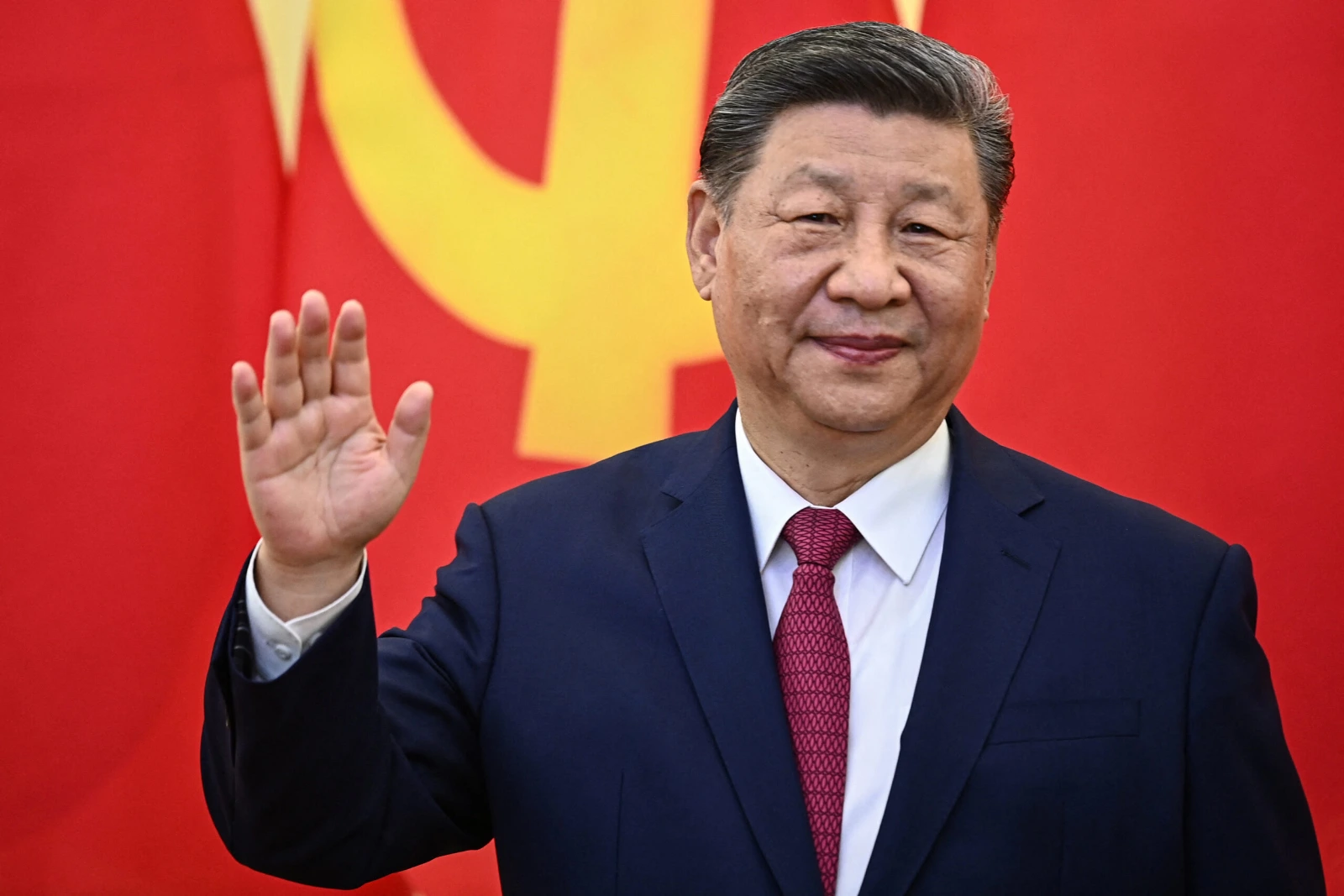
The dictator Xi Jinping defended the campaign of discipline carried out in the party and is on his way to extend his leadership in the CCP.
The Communist Party prepares for Xi's continuity
The meeting also laid the groundwork for the next Communist Party Congress, scheduled for 2027, when Xi Jinping is expected to consolidate his hold on power. Chinese state media have reinforced messages presenting his leadership as a fundamental guarantee of political stability and institutional continuity.
The plenum also called for improving the training and selection of young leaders, although doubts remain about how much power the old guard will be willing to cede. Meanwhile, the Communist Party promised to maintain its prolonged campaign against corruption, making it clear that purges will continue to be a central tool of Xi Jinping's regime.