The Italian government dismantled a network linked to the diversion of humanitarian donations to finance a dangerous terrorist organization
Nuevo
Agregar La Derecha Diario en
Compartir:
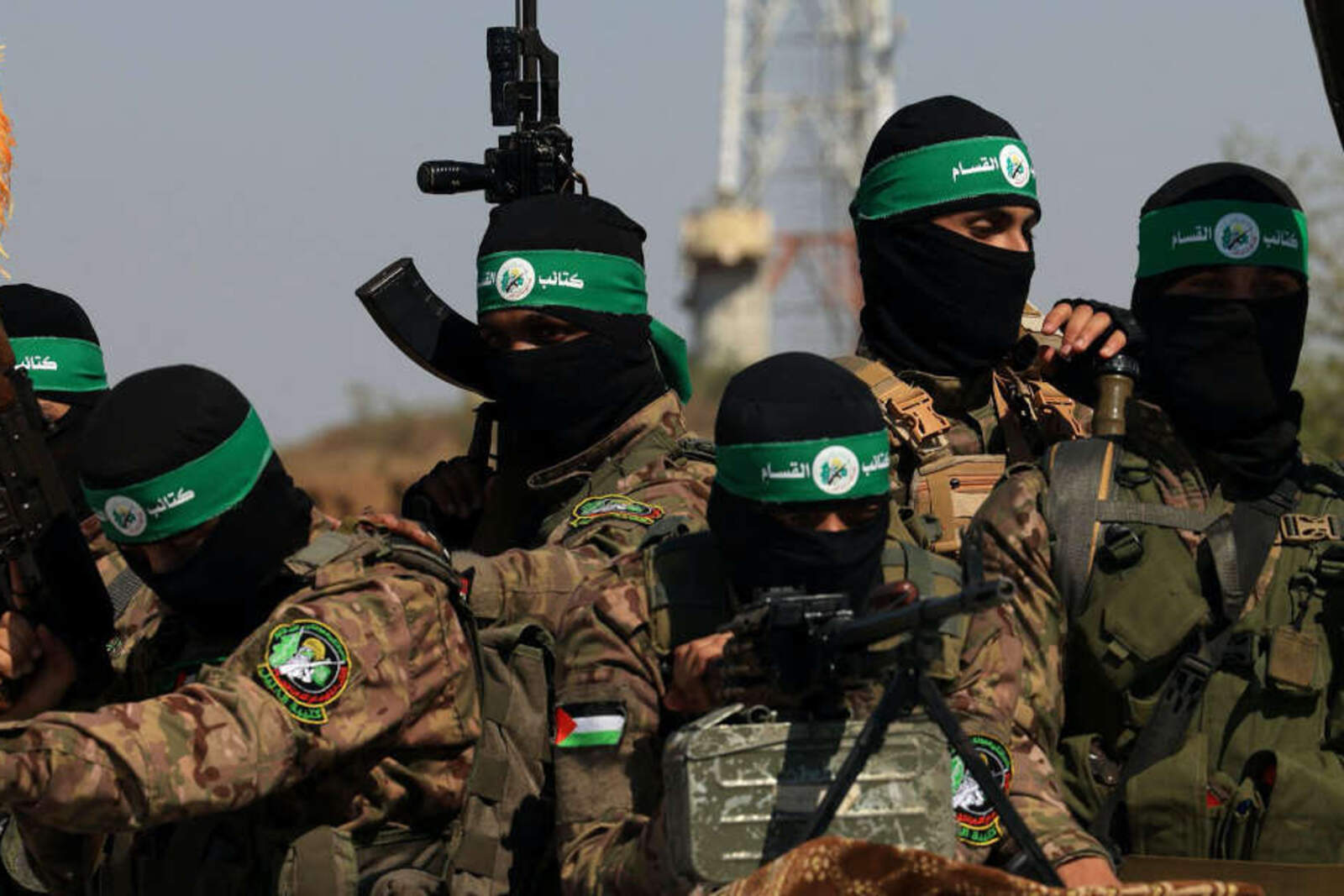
Italy is experiencing hours of high political tension after the arrest of seven people accused of being part of a network dedicated to financing Hamas through organizations that operated under a humanitarian guise.
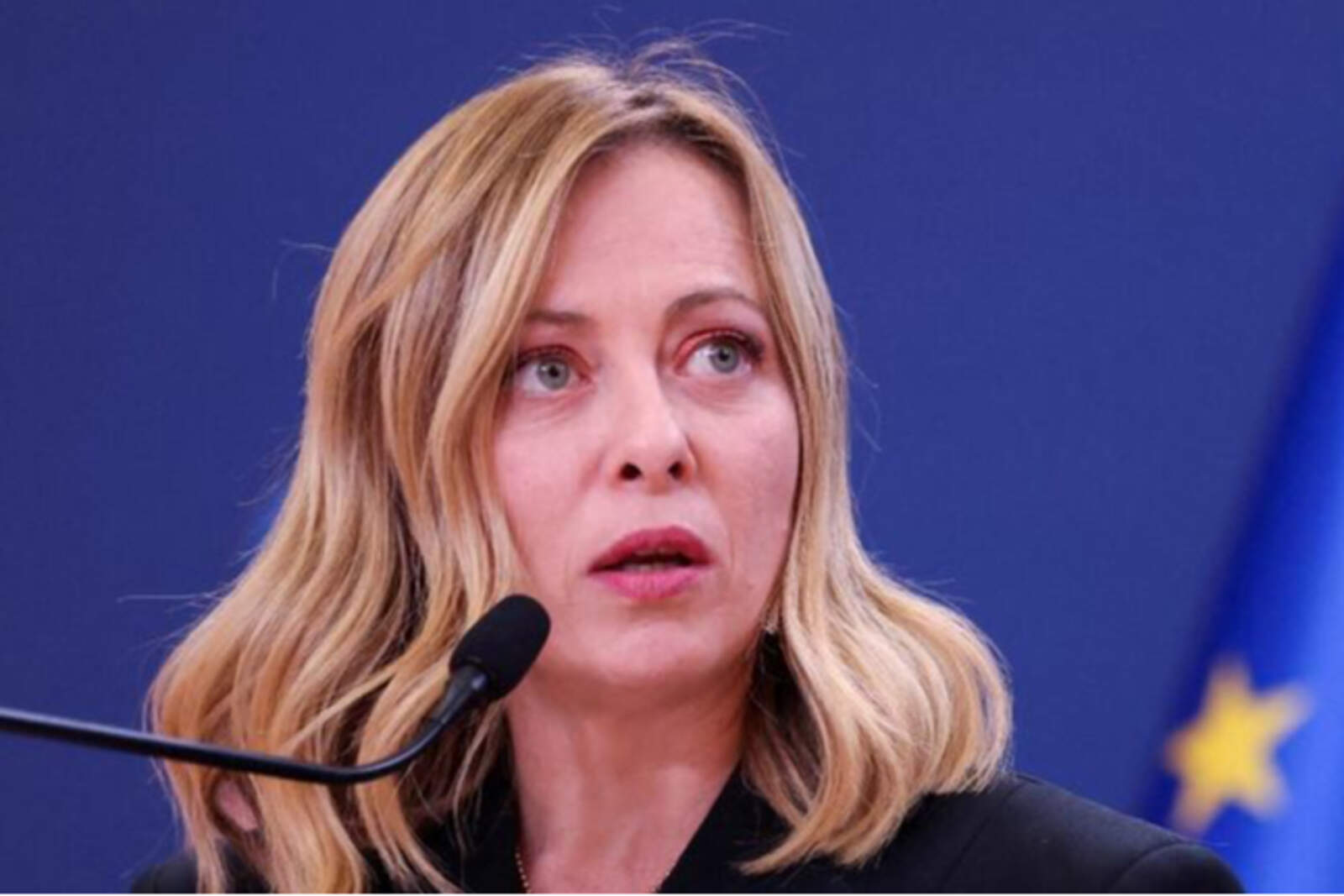
The arrests, carried out by Italian security forces in the Genoa area, were presented by the government of Prime Minister Giorgia Meloni as a key blow against terrorism and a confirmation of the need to maintain strict surveillance over this type of structure.
According to the investigation, the suspects had raised for years at least seven million euros for Hamas, an organization considered terrorist by the European Union.
Of that total, around one million euros is believed to have been donated by Italian citizens who believed they were contributing to humanitarian aid for the civilian population of Gaza.
La red de financiación desbaratada en Génova recaudó más de 7 millones de euros para la organización terrorista
However, according to the investigators, the money was channeled through a network of front associations and shell companies until it reached the Islamist group directly.
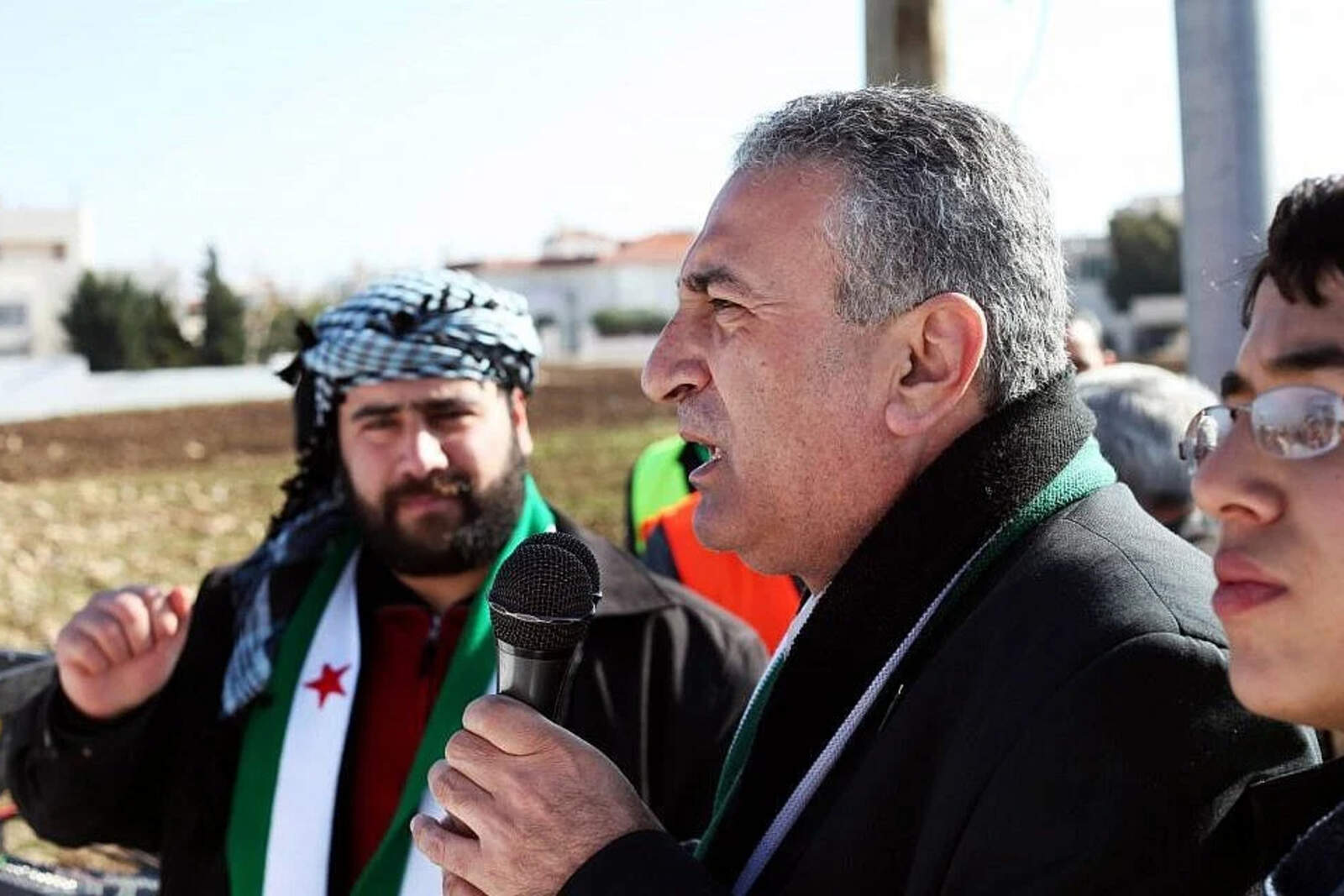
The case took on an even greater political and media dimension when the identity of the main suspect became known, Mohammed Hannon, a 64-year-old Palestinian activist, born in Jordan and resident in Italy since 1983.
Hannon had established himself in recent years as a prominent figure in the pro-Palestinian movement in the country and, after the attacks of October 7, he assumed the presidency of the Association of Palestinians in Italy. From that position, he organized large demonstrations against Israel that contributed to an increase in social polarization and a rise in antisemitic incidents, according to data from community organizations.
Mohammed Hannon, un ciudadano originario de Jordania, es el principal sospechoso del desvío de fondos
The authorities indicate that Hannon is believed to have used his public position and his network of contacts to facilitate fundraising under the pretext of humanitarian aid.
In past statements, the activist had expressed sympathy for what he called the "Palestinian resistance", a discourse that is now being strongly questioned after the arrests. Political sectors of the Italian right have called on radical left-wing movements and anti-Israeli groups for a thorough review of their alliances and reference figures.
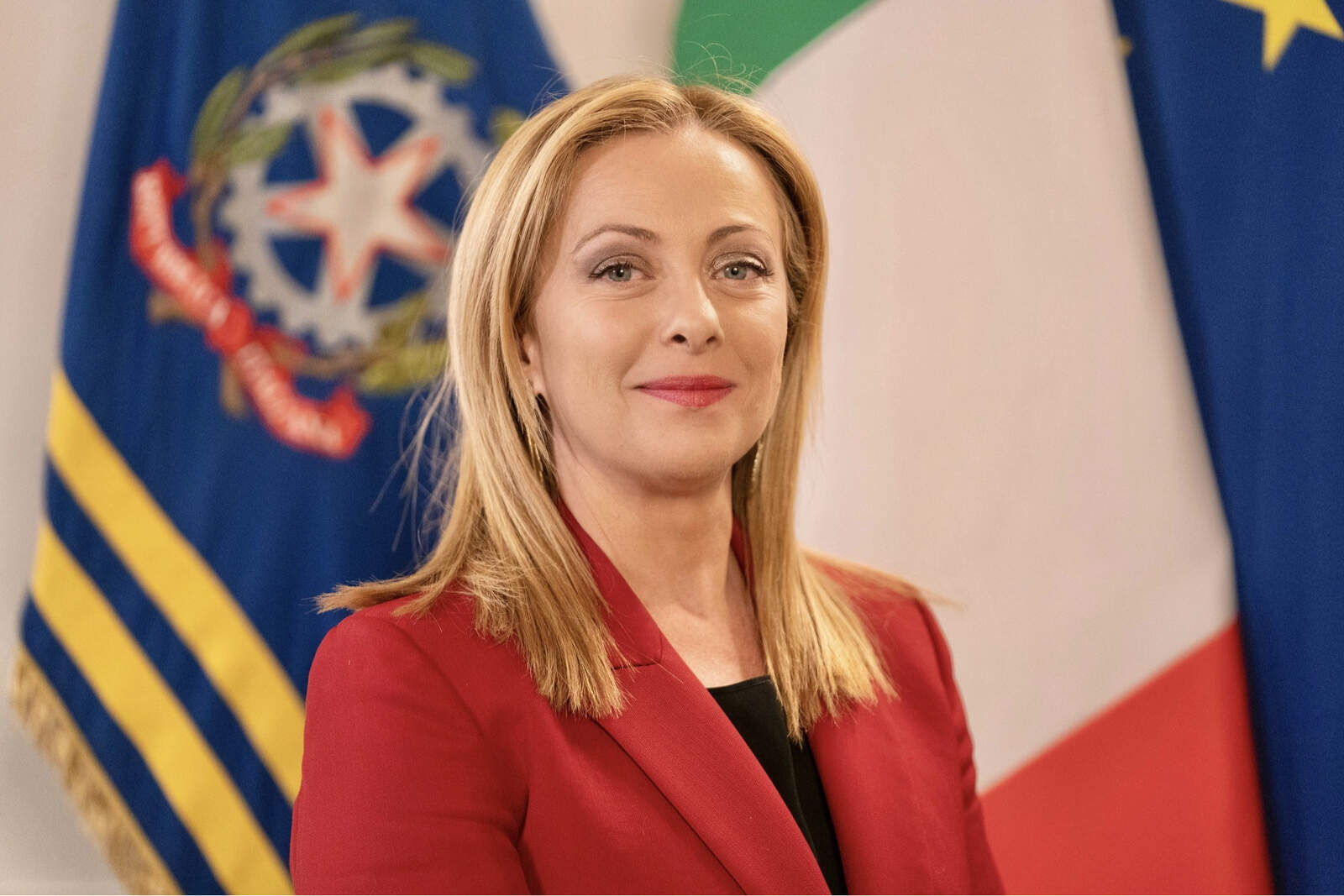
The government of Giorgia Meloni replied by fully backing the police operation and emphasizing that solidarity with the Palestinian population can't be confused or mixed with direct or indirect support for terrorist organizations.
El gobierno de Meloni remarcó que las causas sociales no pueden involucrarse en la financiación del terrorismo
Sources in the Executive highlighted that the case shows how Hamas exploits legitimate causes and the good faith of European citizens to finance violent activities, diverting resources that should be allocated to genuine humanitarian purposes.
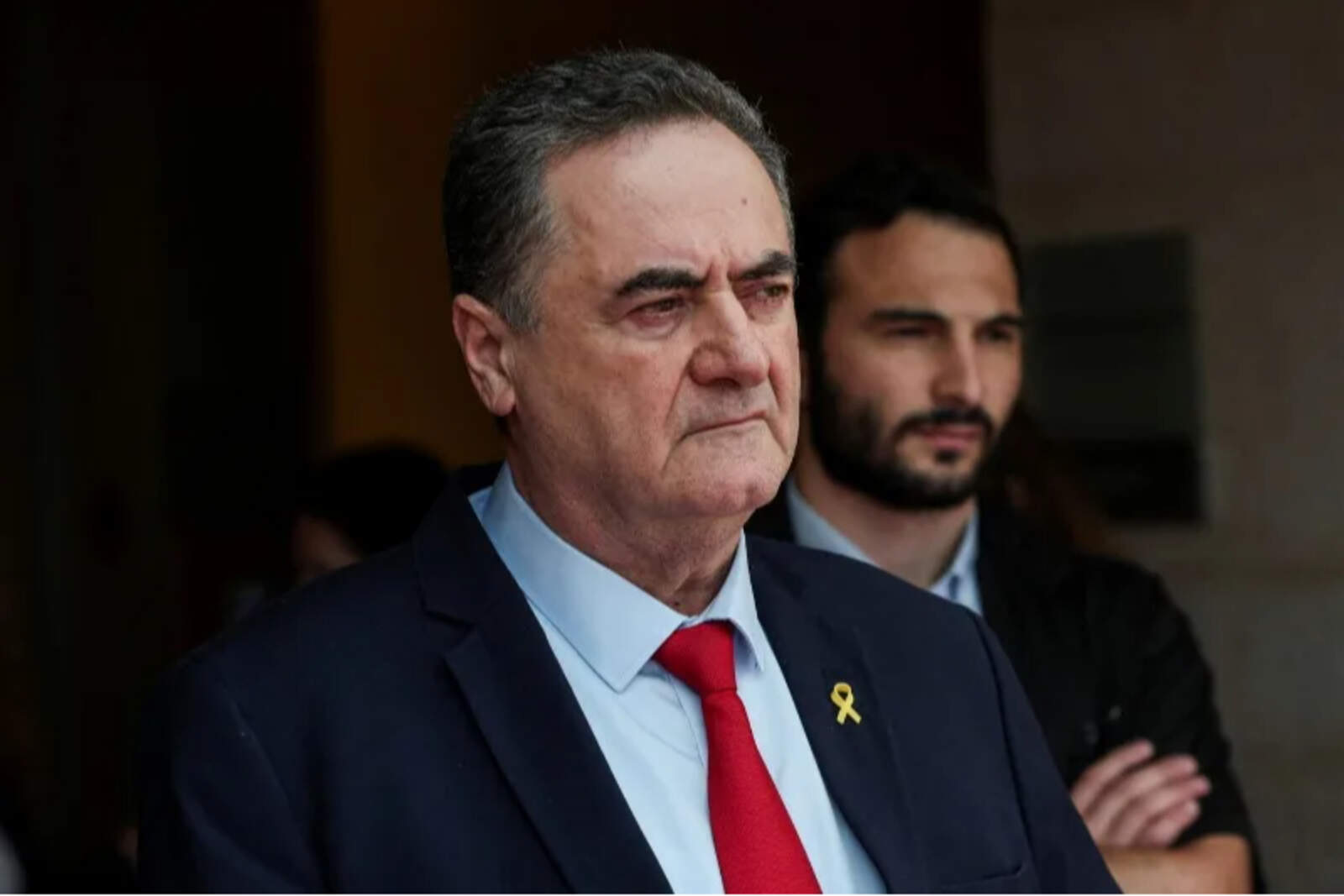
From Jerusalem, Israel's Defense Minister, Israel Katz, confirmed that his country provided intelligence information that contributed to the progress of the investigation and facilitated the arrests.
The Italian government assessed this cooperation as an example of effective international coordination in the face of terrorist threats that operate beyond national borders.
El gobierno de Israel brindó colaboración con recursos de inteligencia
Criticism of Hamas has been forceful in the Italian public debate. Analysts and authorities agree that the group not only resorts to violence against civilians, but also relies on covert financial networks in Europe to sustain its activity. The Genoa case, they argue, highlights the risks of lax oversight of organizations that raise funds in the name of humanitarian causes.
The government has reiterated that it will continue to strengthen financial and legal controls to prevent Italy from being used as a platform for financing terrorist groups, arguing that these measures are essential for the country's national security and for the protection of its democratic values.