The James Webb telescope detected complex organic molecules outside the Milky Way
Nuevo
Agregar La Derecha Diario en
Compartir:
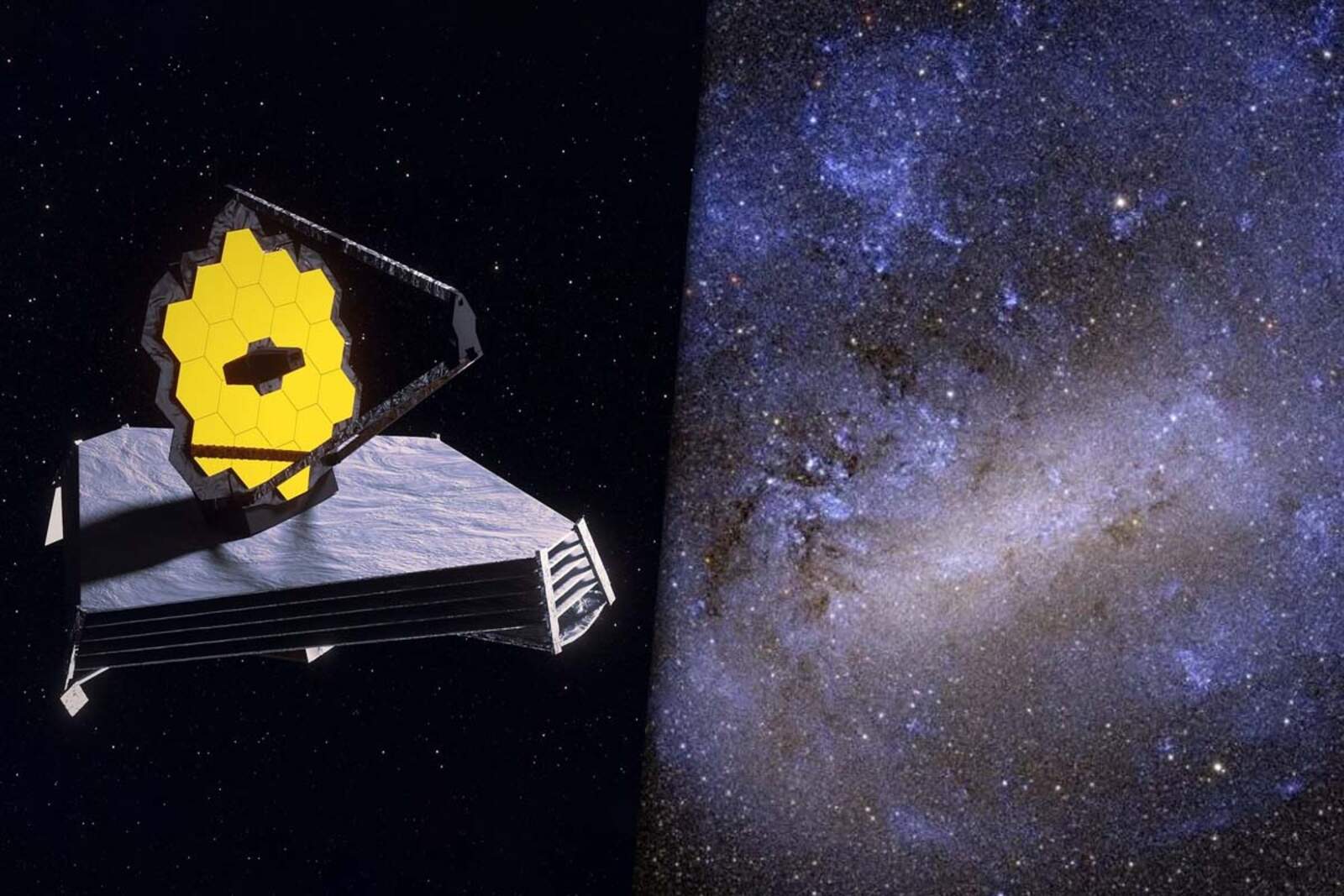
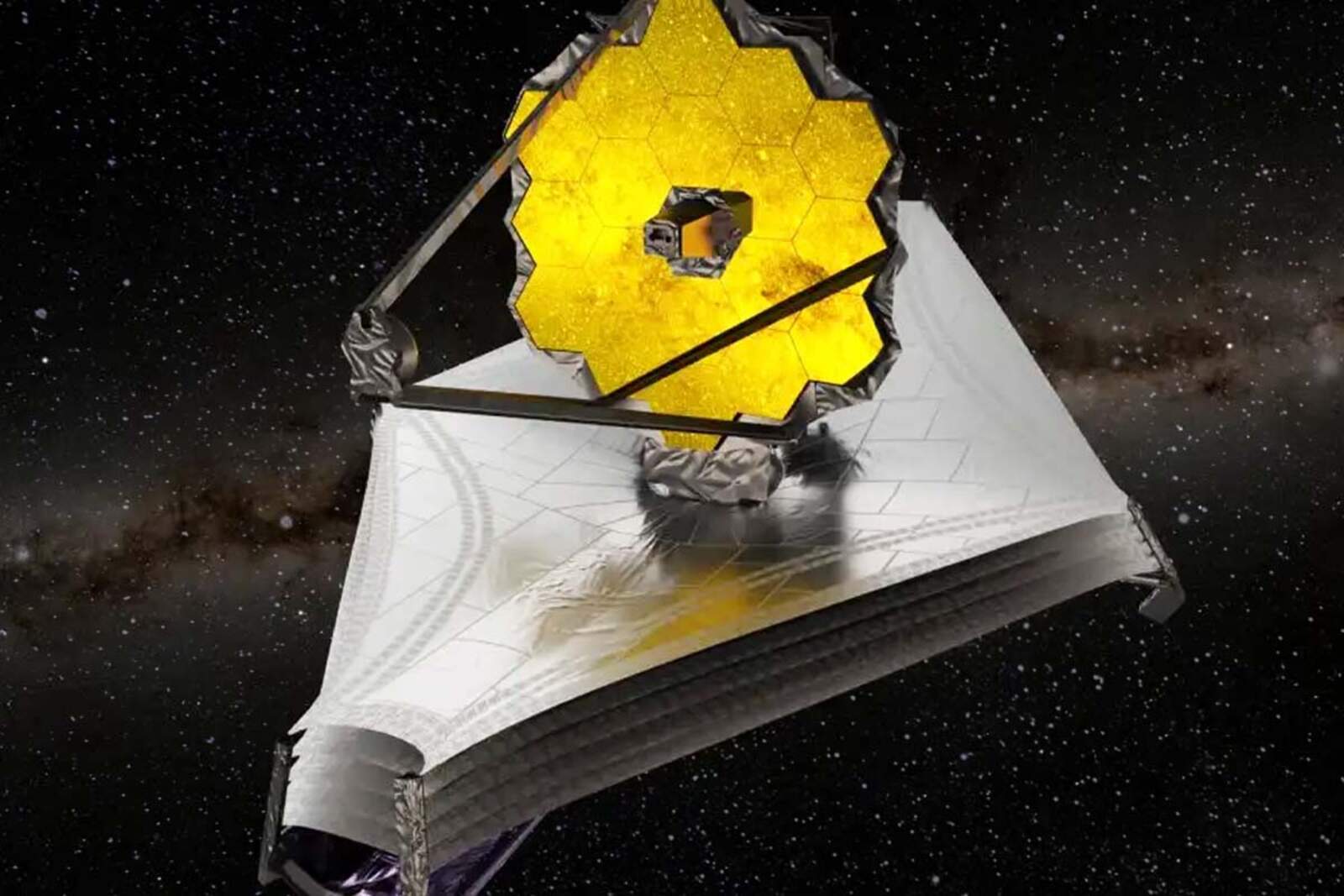
For the first time, a team of astronomers has detected complex organic molecules outside our galaxy. The discovery, achieved with the James Webb Space Telescope, marks a turning point in the understanding of how the ingredients of life are distributed throughout the universe.
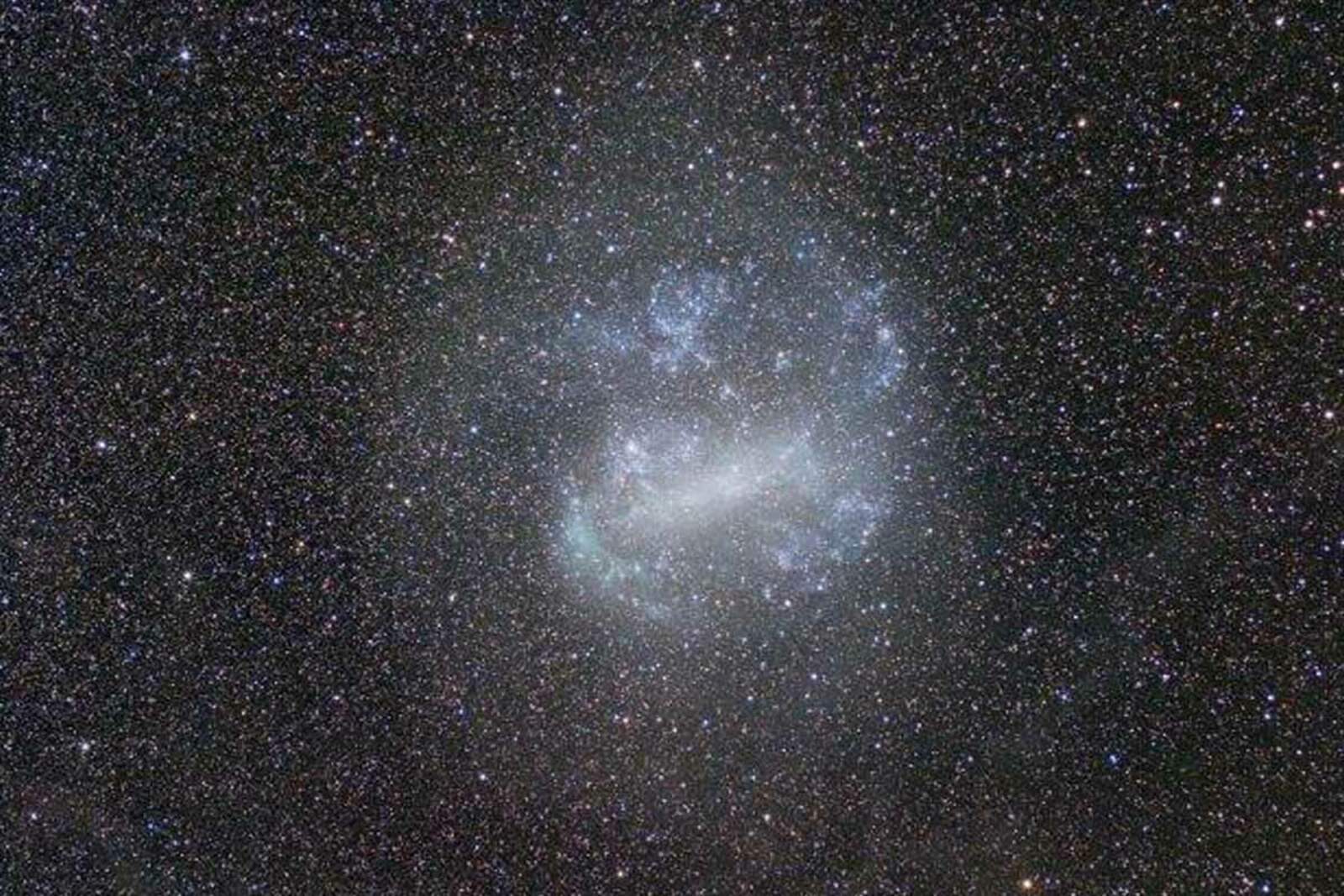
The discovery, published in The Astrophysical Journal Letters, took place in the Large Magellanic Cloud, one of the Milky Way's neighboring galaxies. It is located about 160,000 light-years away. According to NASA, this breakthrough confirms that the chemical processes of life can occur even in extreme environments.
Dos exoplanetas gigantes observados por el telescopio espacial James Webb
A discovery that changes history
The team led by Marta Sewilo, an astronomer at the University of Maryland, analyzed a young protostar known as ST6. They detected five types of organic molecules in the ice surrounding it. Among them are methanol, ethanol, methyl formate, acetaldehyde, and acetic acid, the latter being the main component of vinegar.
This is the first time that acetic acid has been identified in ice form outside the Milky Way. This redefines the chemical map of the cosmos. "This discovery changes our understanding of how the ingredients of life are distributed throughout the universe," the researchers stated.
An extreme environment that surprises
The Large Magellanic Cloud is a much more hostile environment than the Milky Way: it has low metallicity and is exposed to intense ultraviolet radiation. This makes it an ideal model for studying what the universe was like in its earliest stages.
La colisión con la Gran Nube de Magallanes
"The low-metallicity environment is fascinating because it resembles the young galaxies of the early universe," Sewilo explained. This suggests that prebiotic chemical processes could be much more resilient and universal than previously thought.
How the molecules of life are formed
For decades, scientists debated the origin of these molecules. Today, the most widely accepted hypothesis is that interstellar dust grains function as tiny cosmic laboratories. On their icy surfaces, atoms slowly combine to form organic compounds that later become part of forming planets.
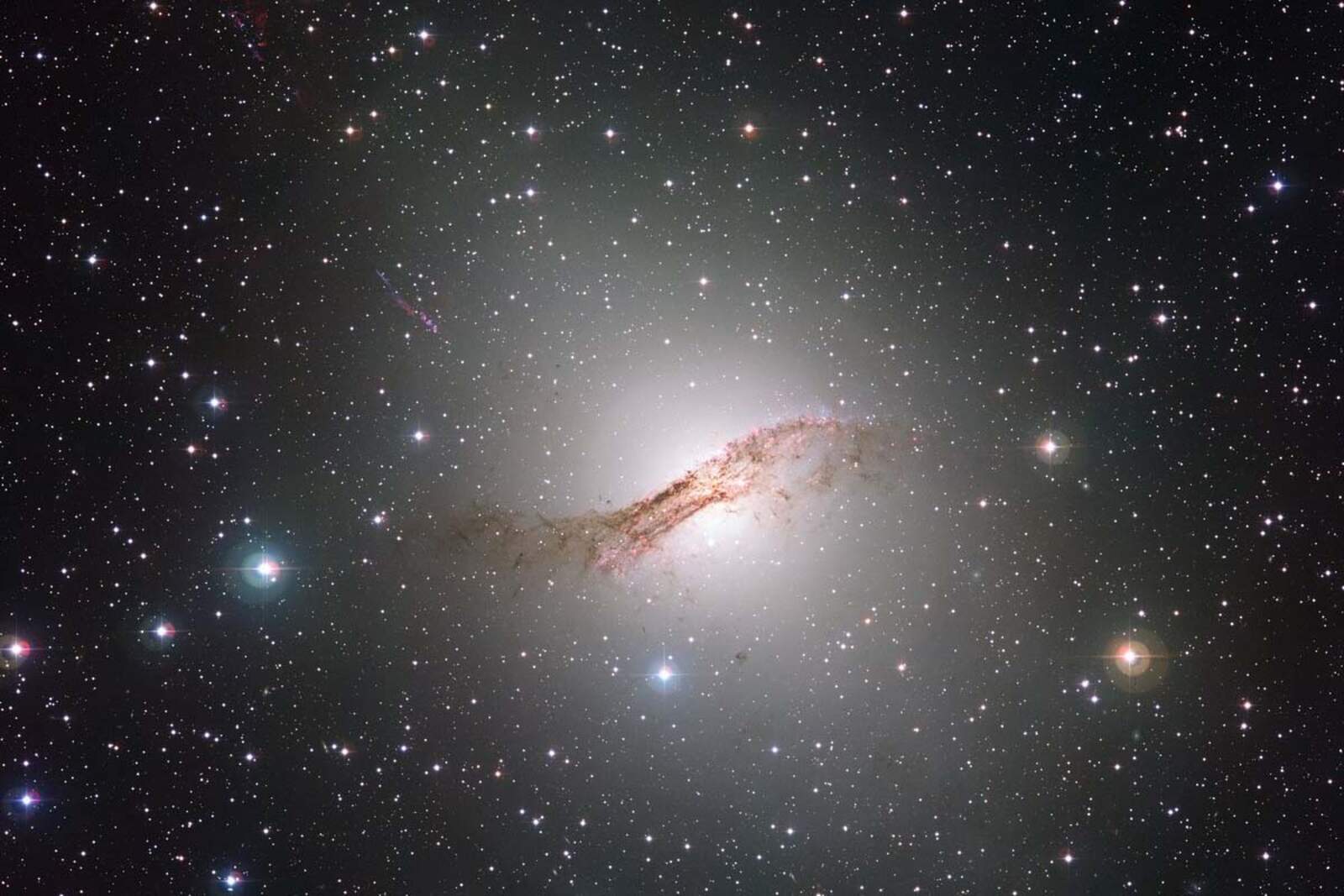
Ejemplo reciente: galaxia Centaurus A
The detection of these molecules in the Large Magellanic Cloud reinforces that theory. "Our results show that these processes occur even under extreme conditions," stated Will Rocha, co-author of the study and astronomer at Leiden University.