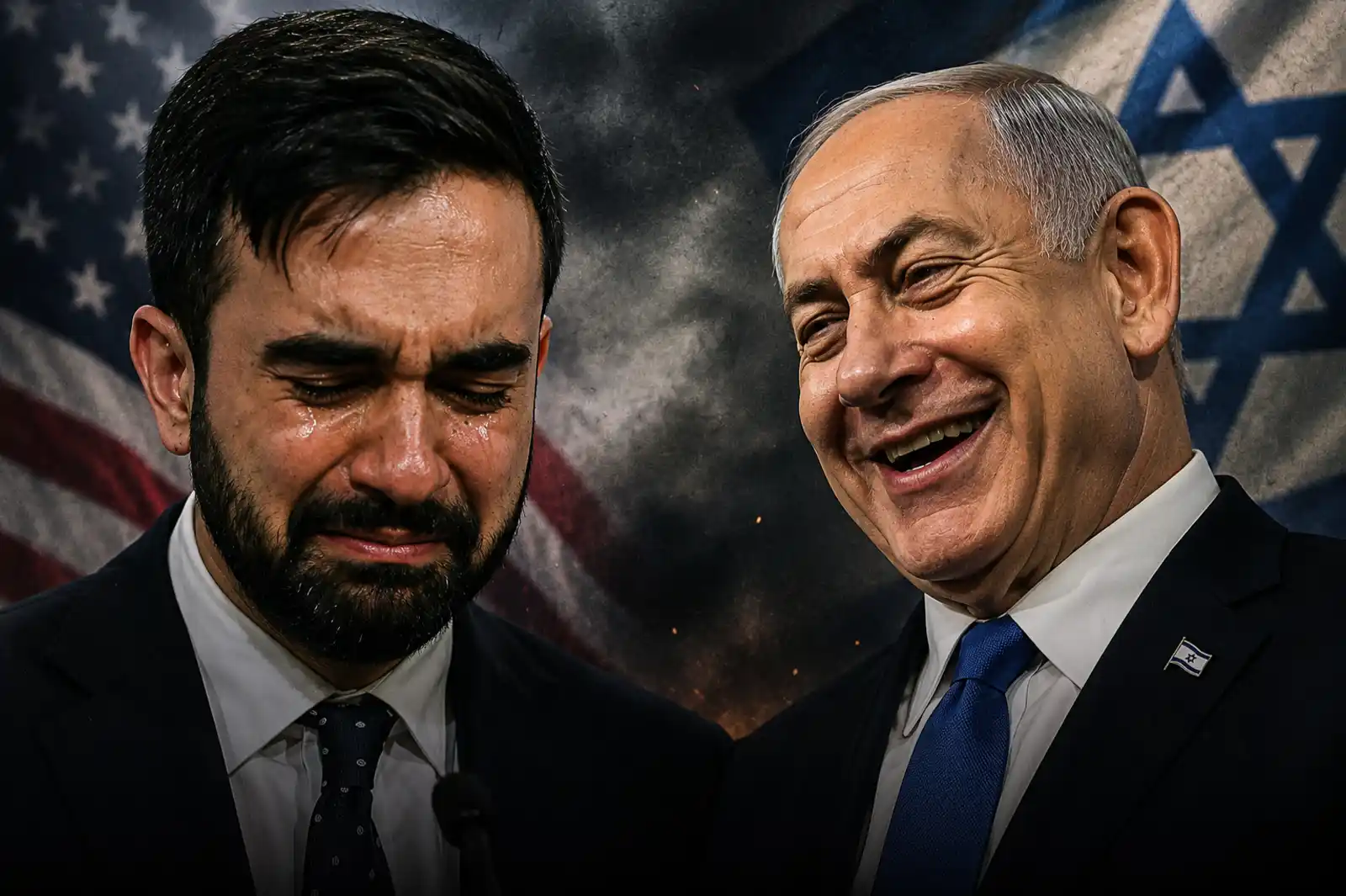
In a gesture that marks the new international alignment of the government, the Argentine delegation—by instruction of President Javier Milei—broke the global diplomatic boycott and remained in the General Assembly while dozens of countries left the chamber during Benjamin Netanyahu's speech. The decision strengthens the alliance with Israel and reaffirms the stance of an Executive that prioritizes security and realism in the face of international humanitarian pressure.
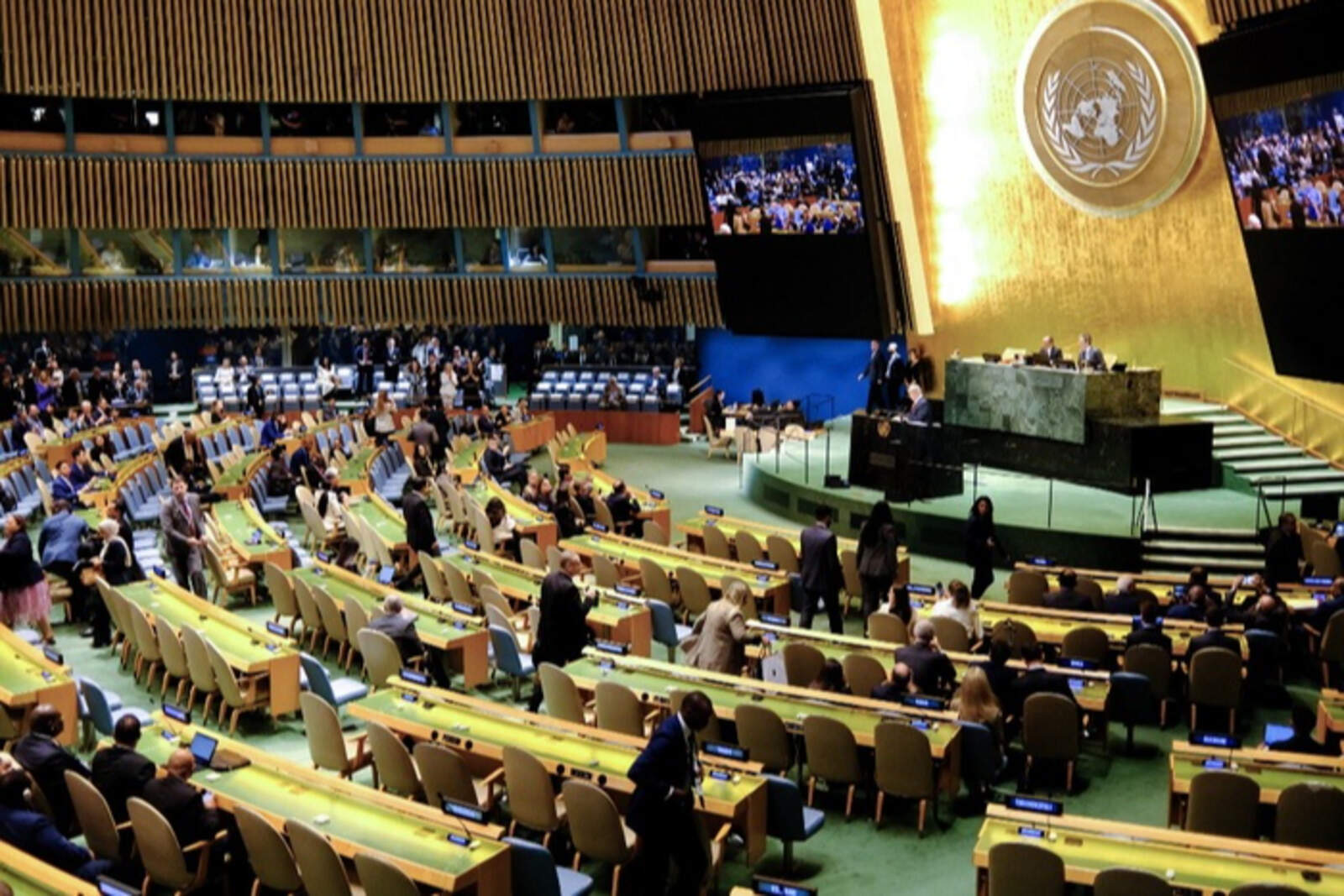
The most visible outcome of the session was the image of the nearly empty hall: dozens—according to press reports, more than a hundred diplomats from over fifty countries—stood up and left in protest when Israeli Prime Minister Benjamin Netanyahu took the General Assembly podium. The mass walkout was internationally interpreted as an explicit rebuke of the course of the Israeli offensive in the Gaza Strip and of the accusations of crimes surrounding the conflict.
ONU.
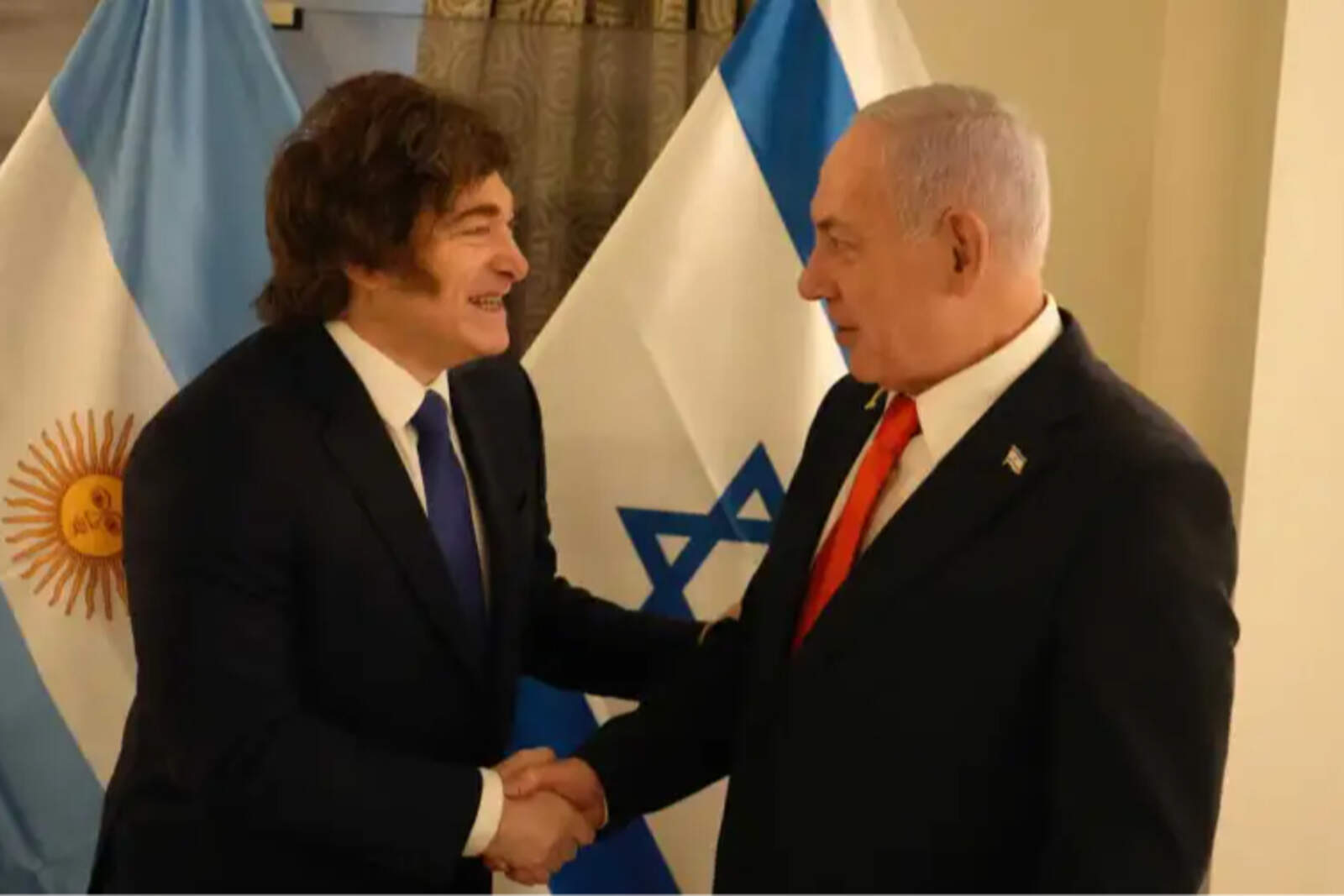
Against that trend, the Argentine delegation remained in place: sources reported that the decision to stay was due to a direct instruction from President Javier Milei, who had met with Netanyahu the previous day and reaffirmed the unconditional support of Casa Rosada for Israel. The gesture, sought and publicized by the government, places the country within the orbit of Tel Aviv's determined allies at a moment of maximum diplomatic pressure on the Hebrew State.
In a combative speech, Netanyahu defended the continuation of the offensive in Gaza and denied the genocide allegations. "Israel must finish its work in Gaza," he stated as he reaffirmed the continuation of military action; in another passage, he rejected the formula of a Palestinian state: "It's madness and we won't do it," he emphasized, adding that recognizing Palestine would be "national suicide". Over approximately 40 to 42 minutes—according to different parts of the address—he displayed maps, referenced operations on multiple fronts, and presented arguments intended to justify the campaign against Hamas.
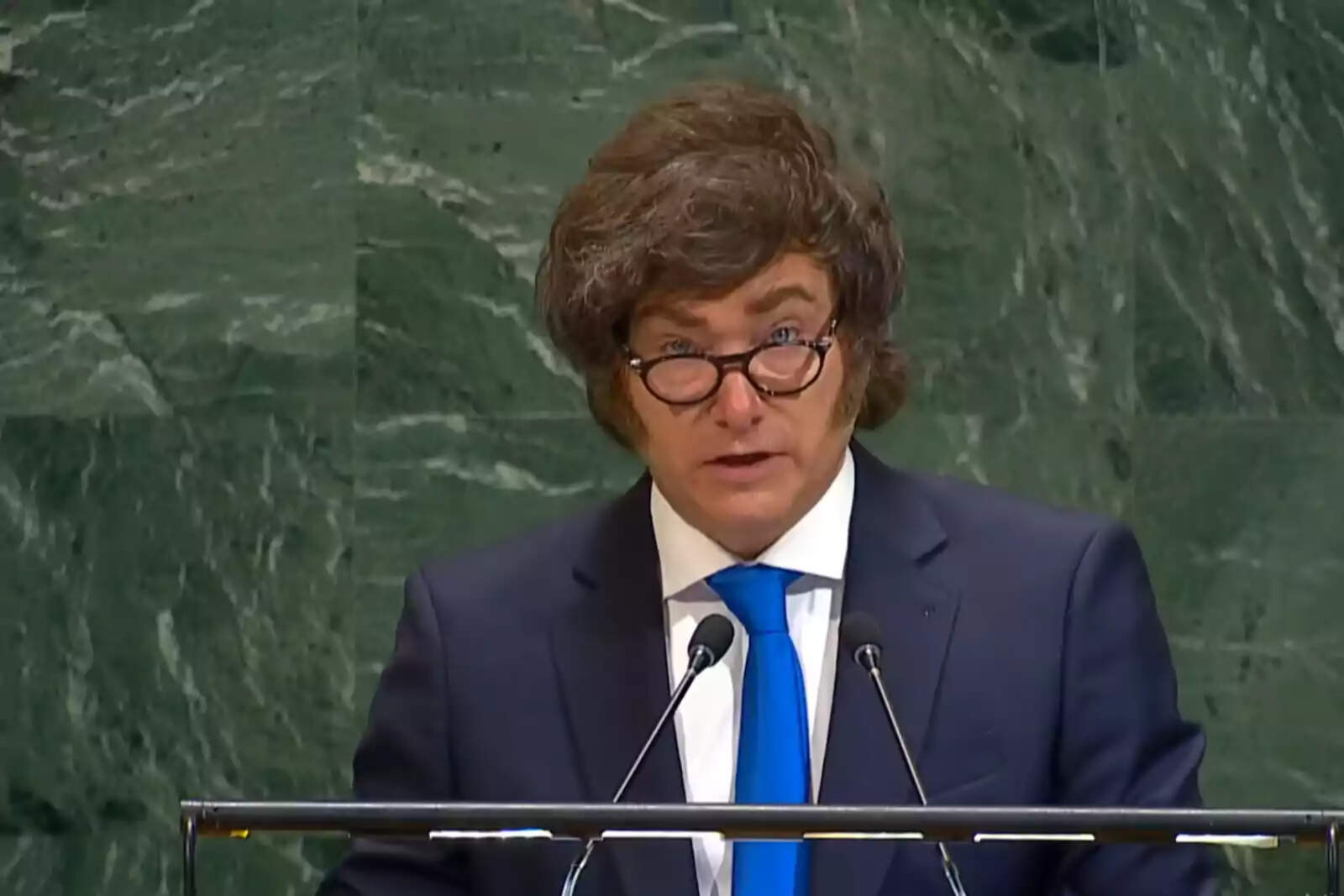
Javier Milei.
Netanyahu harshly criticized the governments that in recent days announced the recognition of Palestine as a state, arguing that such decisions "send a message: murdering Jews is rewarded" and that, therefore, recognizing a Palestinian state would encourage impunity. He also accused the Palestinian Authority of corruption and blamed Hamas for the humanitarian situation in the Strip, denouncing the alleged diversion of aid: "If there isn't enough food, it's because Hamas steals that food and sells it at exorbitant prices to finance itself," he stated.
The prime minister also dedicated remarks to the Israeli hostages and issued a direct ultimatum to Hamas: "Lay down your arms and release the hostages now. If you do, you'll live. If not, Israel will find you," he said, promising that the State won't rest until it brings its people home. In his address, he didn't avoid the threat to Iran: he thanked the hardline stance of relevant allies and called for the reimposition and tightening of sanctions to prevent Tehran from regaining military and nuclear capabilities.
Javier Milei y Benjamín Netanyahu.
Netanyahu's narrative tactic—showing maps of operations in Gaza, Lebanon, Syria, and Iran, displaying images, and claiming that his message was being heard in Gaza through loudspeakers and mobile phones—sought to cement the idea of a military campaign necessary for regional security. He rejected the accusations of famine and genocide and defended civilian mitigation measures (leaflets, warning calls, and evacuations), while accusing Hamas of using the population as "human shields."
The international reaction was immediate and highlighted Israel's isolation in the hall: delegations from countries in Europe, Africa, and the Arab world chose to be absent or leave upon Netanyahu's entrance; others, such as the Spanish delegation, had coordinated absences with European partners. The images of the half-empty Assembly contrasted with the applause from the gallery of supporters and with the public support of some leaders present, including President Donald Trump, cited by Netanyahu.
For the Argentine government, the decision reaffirms Milei's commitment to align foreign policy with democracies that prioritize security over what the president calls the "moral relativism" of multilateral organizations; it also seeks to consolidate the presidential image as a firm ally of Israel in international forums. The personal relationship with Netanyahu and the instruction to remain in the hall function, in the official view, as a gesture of loyalty that contrasts with the global chorus of criticism.