
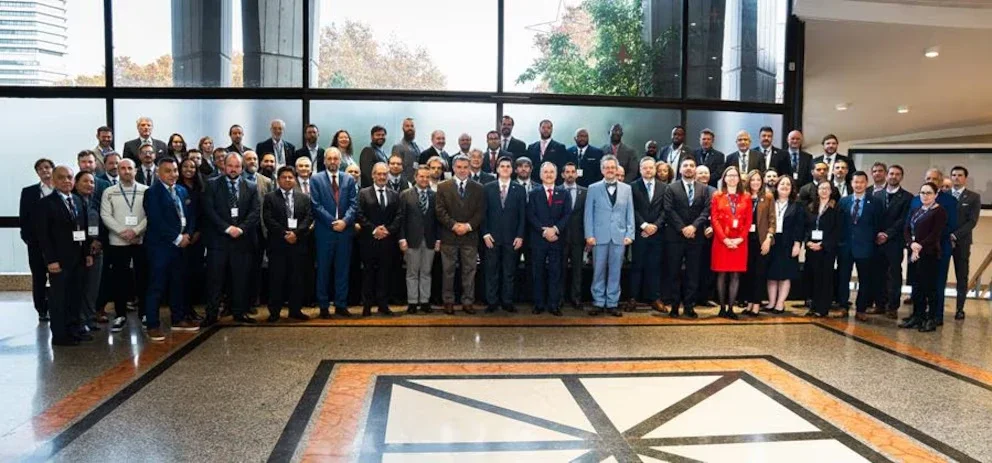
Argentina under Javier Milei has become the epicenter of the global energy vanguard by hosting the 4th Annual FIRST Regional Workshop (Fundamental Infrastructure for the Responsible Use of Small Modular Reactor Technology). This meeting, driven by the United States and co-organized by CNEA and the U.S. embassy, brought together specialists from nine Latin American countries (Chile, Costa Rica, Ecuador, El Salvador, Jamaica, Mexico, Paraguay, Peru, and the Dominican Republic), as well as top-level strategic partners such as the United Kingdom and Japan.
The goal is clear: to lead the transition towards small modular reactors (SMR) under the highest standards of safety and non-proliferation. This diplomatic and technical milestone occurs within the framework of the recent presentation of the "Guidelines for Argentina's Nuclear Policy 2026", a robust 80-page document that marks a break from the past. Developed by the Secretariat of Nuclear Affairs —now under the purview of the Ministry of Economy led by Luis Caputo—, the strategic plan is based on four pillars: high value-added exports, energy security, preservation of technological capacity, and regional leadership.
For the first time in history, the State formally calls on the private sector to invest in every link of the nuclear chain, limiting the role of CNEA to research and professional support, while companies assume the risk of the projects.
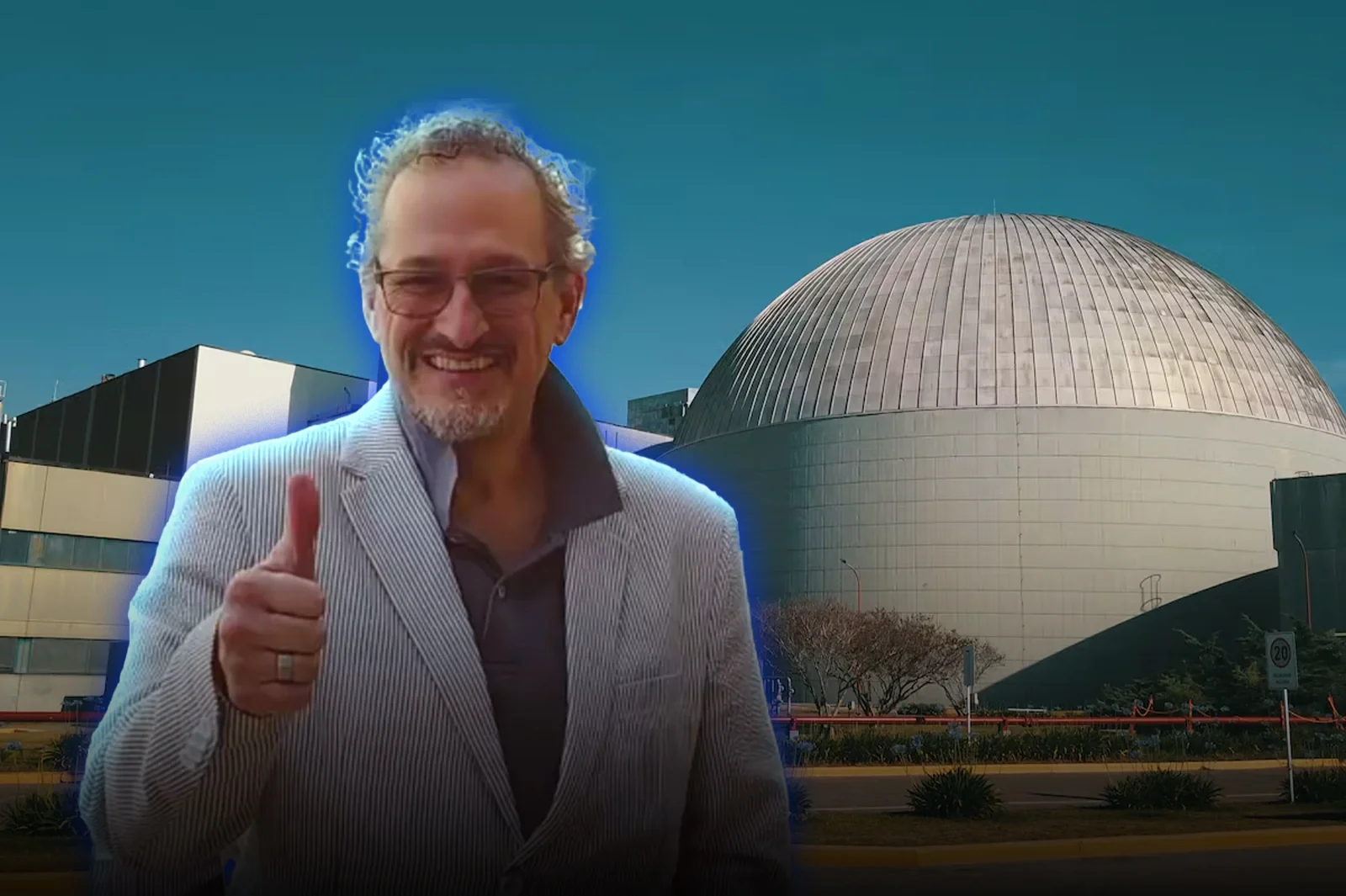
The point of maximum political relevance was the presence and direct supervision of the U.S. delegation at the Atucha Nuclear Complex. The Deputy Secretary of State, Dr. Christopher Yeaw, representative of the U.S. administration, validated Argentina's operational capacity on the ground. Yeaw was emphatic in stating that the nuclear technologies of his country and its partners "remain the safest and most advanced in the world", positioning itself as the "preferred ally for countries seeking to expand their civil nuclear programs".