As he explained, this transformation involved the elimination of central concepts such as the real interest rate and intertemporality in the economy.






The president maintained that his work was used to justify the actions of “thieving, messianic and corrupt politicians”.
As he explained, this transformation involved the elimination of central concepts such as the real interest rate and intertemporality in the economy.





In that sense, the president questioned the way in which the British economist redefined key variables. He argued that consumption was reduced to a “precarious function” and that investment became dependent on so-called “animal spirits”, which eliminated the role of the interest rate in determining economic balance
.
Milei also criticized the treatment of the money market within the Keynesian scheme. He stated that the interest rate “so determined is truly meaningless” and warned that this approach enabled expansionary policies that, in the long term, lead to inflation. Along these lines, he pointed out that these tools were used by political leaders to justify increases in public spending
.“The model can, and indeed will, guarantee all kinds of monetary damage with very negative future consequences reflected in an increasing rate of inflation over time,” he wrote.
In the final part of his column, the President deepened his critical stance and directly linked these ideas to the actions of the political leadership. He stated that it is a scheme designed “for the approval of thieving, messianic and corrupt politicians”, which explains the persistence
of this approach in different governments.Finally, Milei compared Keynes' influence with that of Niccolò Machiavelli in politics, concluding: “Ultimately, John Maynard Keynes is to economics what Niccolò Machiavelli is to politics. In other words, Machiavelli is everything that is wrong in politics and Keynes is his
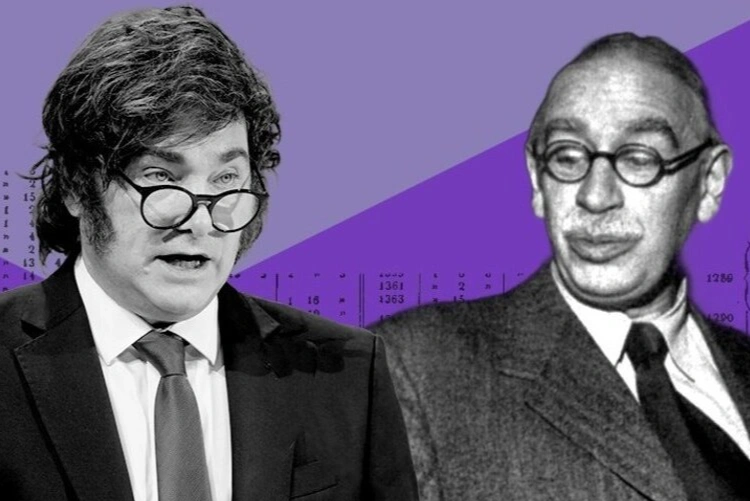
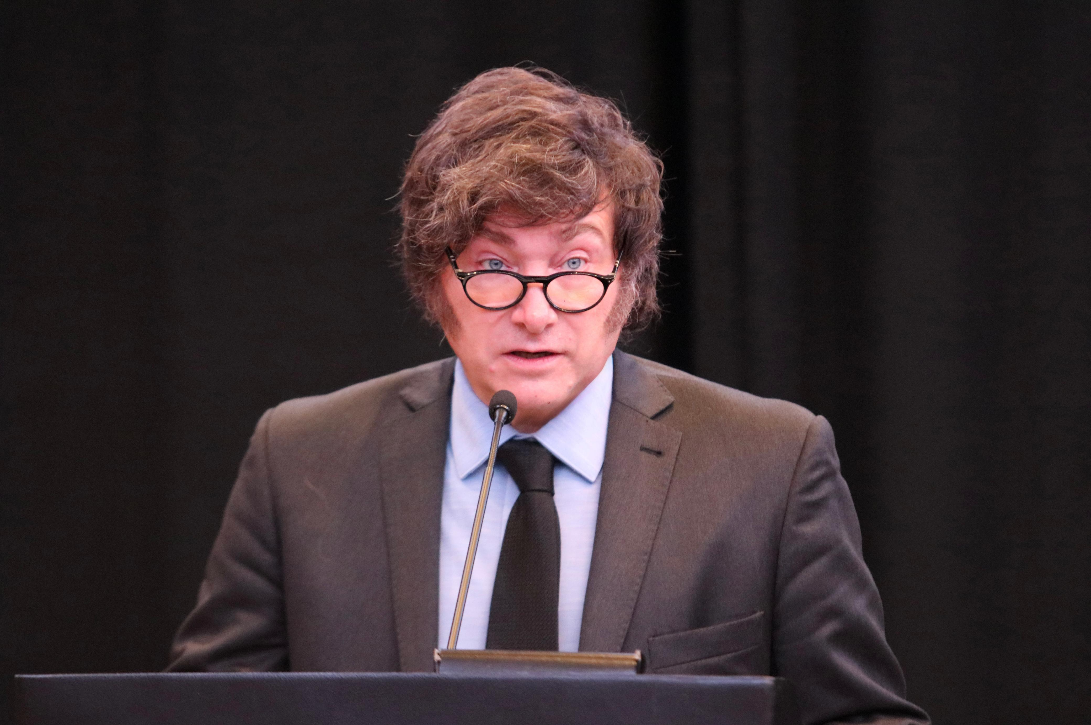
lethal tool.”President Javier Milei published an opinion column in the Clarín newspaper in which he strongly criticized British economist John Maynard Keynes, whom he blamed for having influenced the development of theoretical frameworks that facilitated the advance of corrupt economic policies.
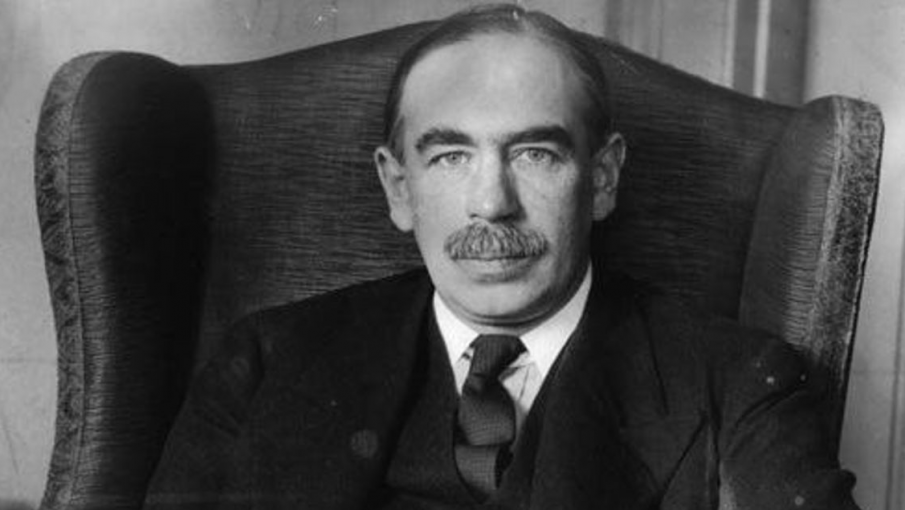
In the text, entitled “John Maynard Keynes: The Political Hitman”, Milei recalled that it was eighty years since Keynes' death and questioned his best-known work, The General Theory of Occupation, Interest and Money.
“I consider that the book in question is an economic pamphlet of terrible quality written in favor of thieving, messianic and corrupt politicians,” said the president, although he acknowledged that the economist had the capacity to build “a true masterpiece, a masterpiece of evil”.
The President maintained that the impact of these ideas was profound and negative, noting that the work “distracted economic analysis for 37 years and that in the environment it caused enormous damage
to humanity.”In this framework, he linked Keynesian thinking to different political currents of the 20th century, stating that “Nazism, fascism and communism are variants of the same theme: collectivism/statism”.
Throughout the column, Milei developed a technical critique of the macroeconomic approach promoted by Keynes, which he accused of having displaced previous models based on the balance between savings and investment.