The National Jury of Elections officially confirmed the victory and proclaimed her president-elect for the 2026-2031 term, definitively closing the challenges presented by the communists
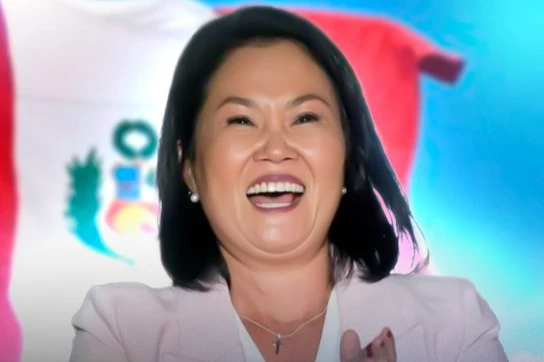
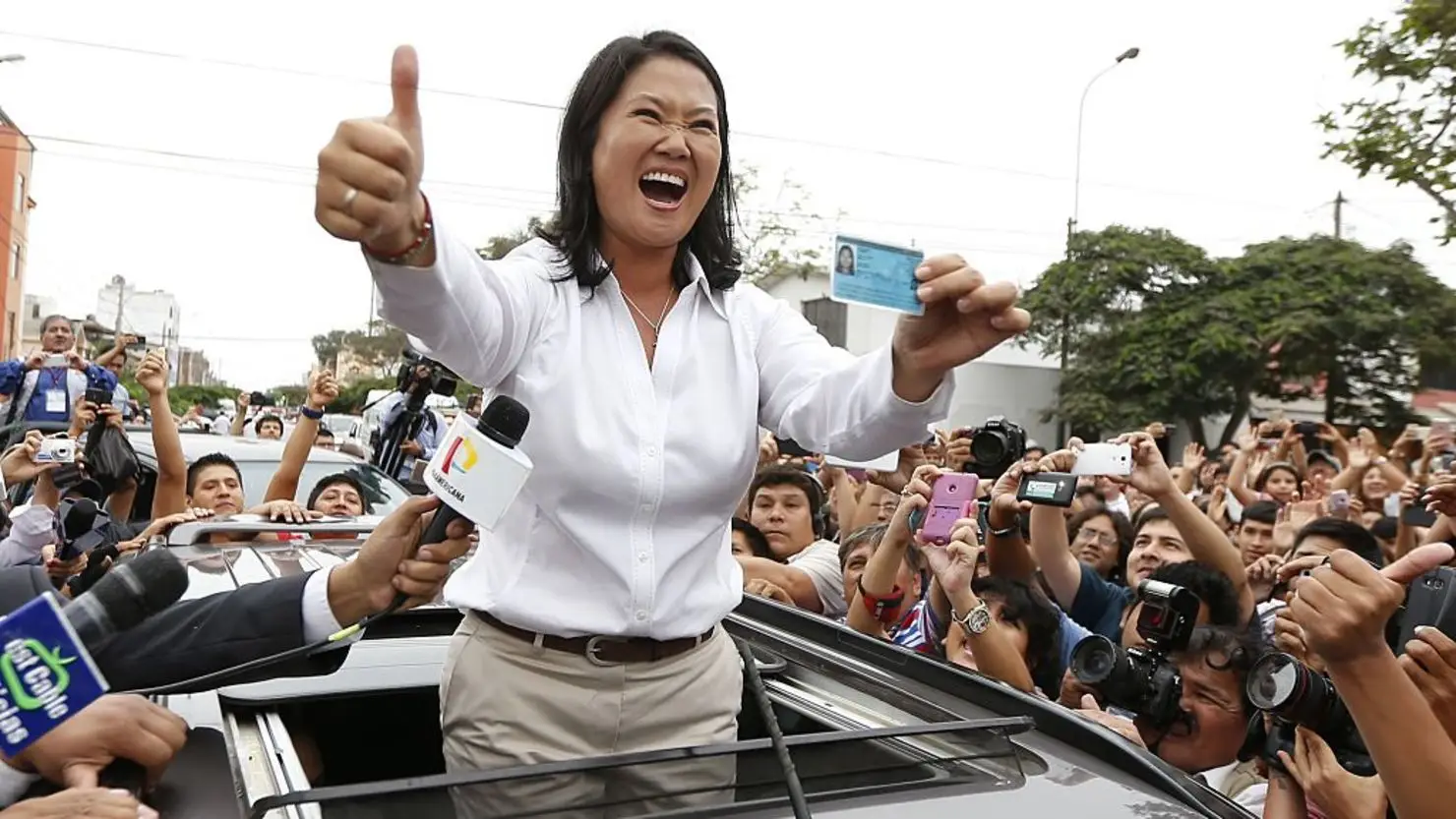
Peru has regained hope. This Friday, July 3, the National Jury of Elections (JNE) put an end to the uncertainty and officially proclaimed Keiko Sofía Fujimori Higuchi as president elect for the term 2026-2031.
In a solemn session filled with historical symbolism, presided over by Roberto Burneo, the full JNE confirmed that the daughter of former president Alberto Fujimori is the legitimate winner of the ballots, becoming the first woman in republican history to reach the highest office through direct suffrage.
Keiko Fujimori
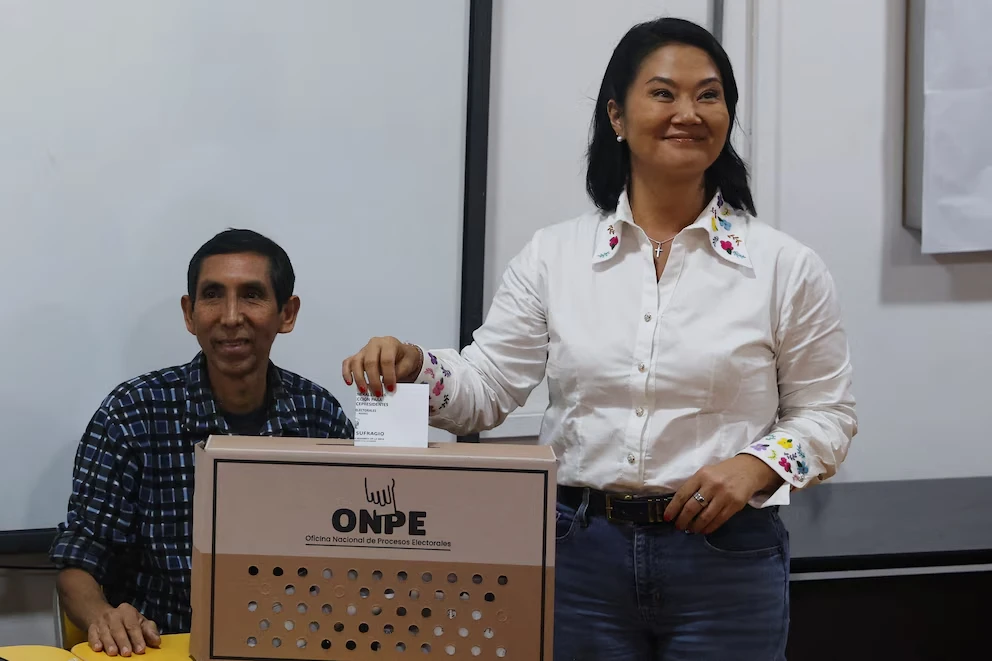
The official figures from the National Office of Electoral Processes (ONPE), now sealed by the JNE, are a monument to democratic resistance against the advance of radical left: Fujimori obtained 9,223,396 votes, equivalent to 50.135% of valid votes.
On the other hand, the representative of extremism, Roberto Sánchez, from Together for Peru, was left behind with 9,173,755 votes (49.865%), marking a definitive difference of 49,641 votes that safeguards the return to the free market model and institutional order.
This historic triumph would not be understood without the vote abroad, where the patriotism of Peruvians residing outside our borders was the final shield against socialism. While on national territory the "leftist" Sánchez achieved a minimal advantage, the Peruvian community abroad granted Keiko Fujimori a crushing advantage of 81,655 votes, irreversibly tipping the balance in favor of freedom.
The legitimacy of this result has crossed borders, consolidating a new right-wing axis on the continent. The president of Argentina, Javier Milei, celebrated the outcome with a forceful message: “Peru is leaving socialism”, highlighting that “Peruvians rejected the communist debacle proposed by Roberto Sánchez and said never again to totalitarian socialism”.
Keiko Fujimori
In the same vein, the government of Donald Trump, through Undersecretary of State, Christopher Landau, officially recognized and congratulated president-elect Keiko Fujimori, forecasting a new era of binational cooperation focused on security and economic prosperity.
The path to the proclamation was marked by desperate attempts from the left to disregard the popular will. Roberto Sánchez turned to the Inter-American Commission on Human Rights (CIDH) to request precautionary measures, alleging supposed irregularities that the JNE had already rejected for being presented late and without legal basis.
Likewise, the Peruvian judiciary declared inadmissible a habeas corpus presented by sectors linked to radicalism seeking to halt Fujimori's investiture. In the end, legality prevailed over obstructionism: “Irregularly, they have defeated us”, had to admit Sánchez himself in light of the facts.
Keiko Fujimori, who will take office on July 28, 2026, does not come alone. Accompanying her in this challenge to rebuild the country are her vice presidents Luis Fernando Galarreta Velarde and Miguel Ángel Torres Morales, forming a solid team that promises stability after years of chaos.
With the credential handover scheduled for July 15 at the National Theater, a cycle of four attempts and three defeats comes to a close, paving the way for a presidency that emerges from learning and resilience: “She came out of prison without resentment”, stated Galarreta, emphasizing the spirit of unity and pragmatism that will mark the new government. Peru has chosen the path of order, and history has finally vindicated freedom.