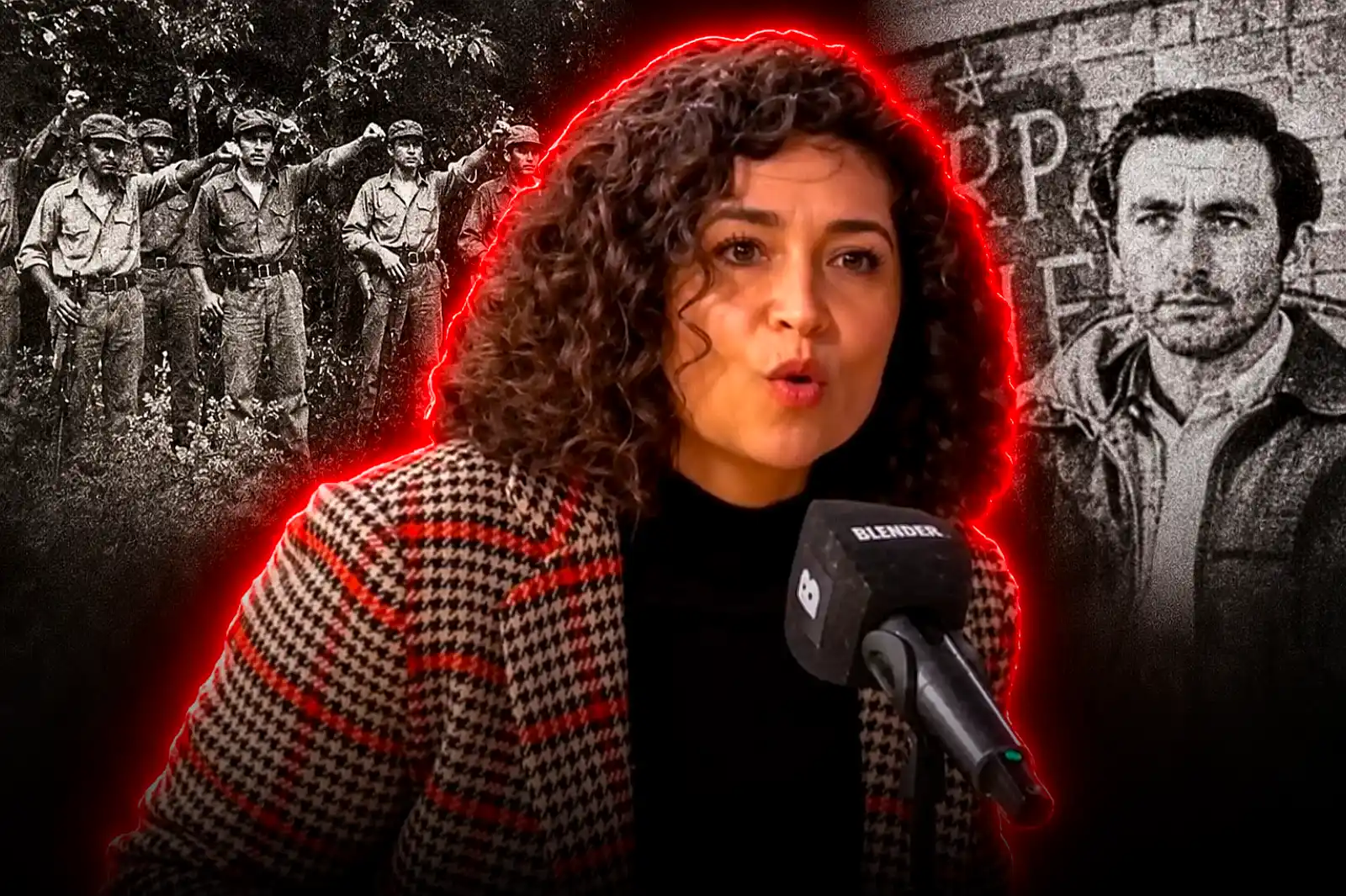

Julia Mengolini stated that the main problem of the guerrilla terrorism of the 70s was "that it didn't go well"

Julia Mengolini stated that the main problem of the guerrilla terrorism of the 70s was "that it didn't go well"

During a debate about the tribute to ERP leader Mario Santucho by FSOC-UNA, the journalist questioned the failure of the armed struggle

Share:

The leftist journalist Julia Mengolini sparked controversy with her statement that the main problem of the armed struggle in the 70s in Argentina was that it did not achieve its objectives, during a debate about the tribute to the terrorist Mario Roberto Santucho of the People's Revolutionary Army (ERP), organized by the Faculty of Social Sciences at UBA.

"For me, the main problem with the armed struggle of the 70s is that it did not go well", Mengolini stated during a conversation discussing the vindication of Santucho, who led one of the most violent guerrilla organizations in Argentine history.

Julia Mengolini stated that the main problem of the guerrilla terrorism of the 70s was "that it didn't go well"

The ultra-Kirchnerist journalist began her intervention by stating: "Another thing I will say, the violence in the 70s did not go well. Santucho is dead". She later tried to amend this by saying that her words did not constitute an explicit vindication of the guerrilla, although she immediately insisted that her main criticism of that experience was its failure.

The vindication of the guerrillas of the 70s

During the same exchange, participants argued that the defeat of the armed organizations resulted in the disappearance of a generation committed to establishing communism in the country. "They were not people who were crazy and just planted bombs for no reason", stated one of the voices participating in the conversation, accompanied by expressions of agreement from the other interlocutors.
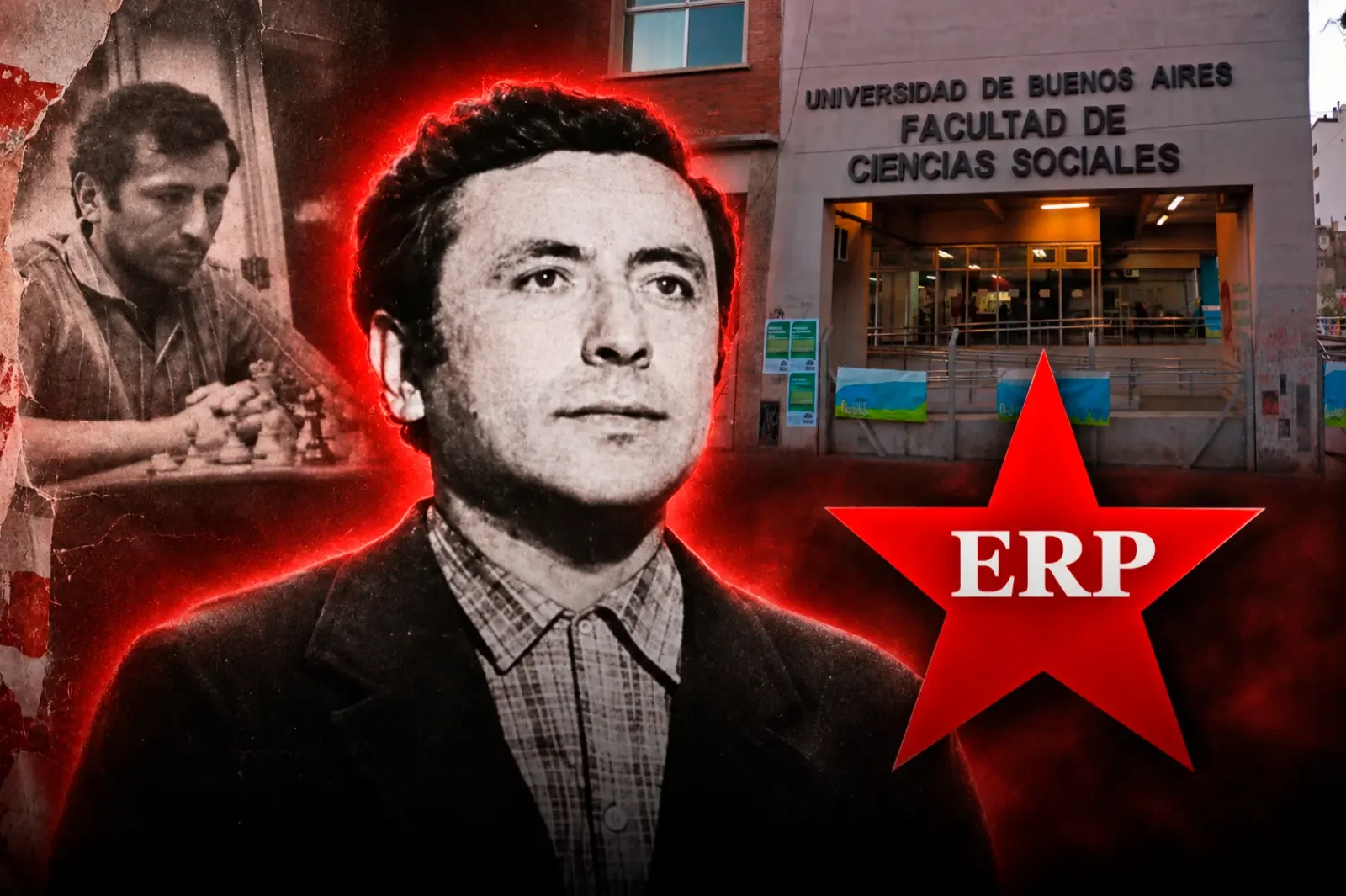
The statements came amid the controversy over the tribute to Mario Roberto Santucho at the Faculty of Social Sciences of the University of Buenos Aires (UBA). Santucho was the top leader of the Revolutionary Workers' Party (PRT) and the ERP, a Marxist organization that sought to promote a socialist revolution through armed struggle.

Mario Santucho, the terrorist leader of the ERP who will be honored by the UBA

Under his leadership, the ERP carried out kidnappings, attacks, murders, and assaults on military installations under the democratically elected governments of Juan Domingo Perón and Isabel Perón. Among its victims were businessman Oberdán Sallustro, Captain Humberto Viola, and his young daughter, who was murdered in Tucumán in 1974.

The initiative defended by the Kirchnerist dean of the Faculty of Social Sciences, Ana Josefina Arias, a former candidate for senator for Kirchnerism, who justified the vindication of the guerrilla leader under the policy of "Memory, Truth, and Justice" and argued that it was necessary to recognize these individual trajectories.