Sentenced to four years in prison and permanently disqualified from holding public office, De Vido must appear this Thursday at Comodoro Py
Compartir:
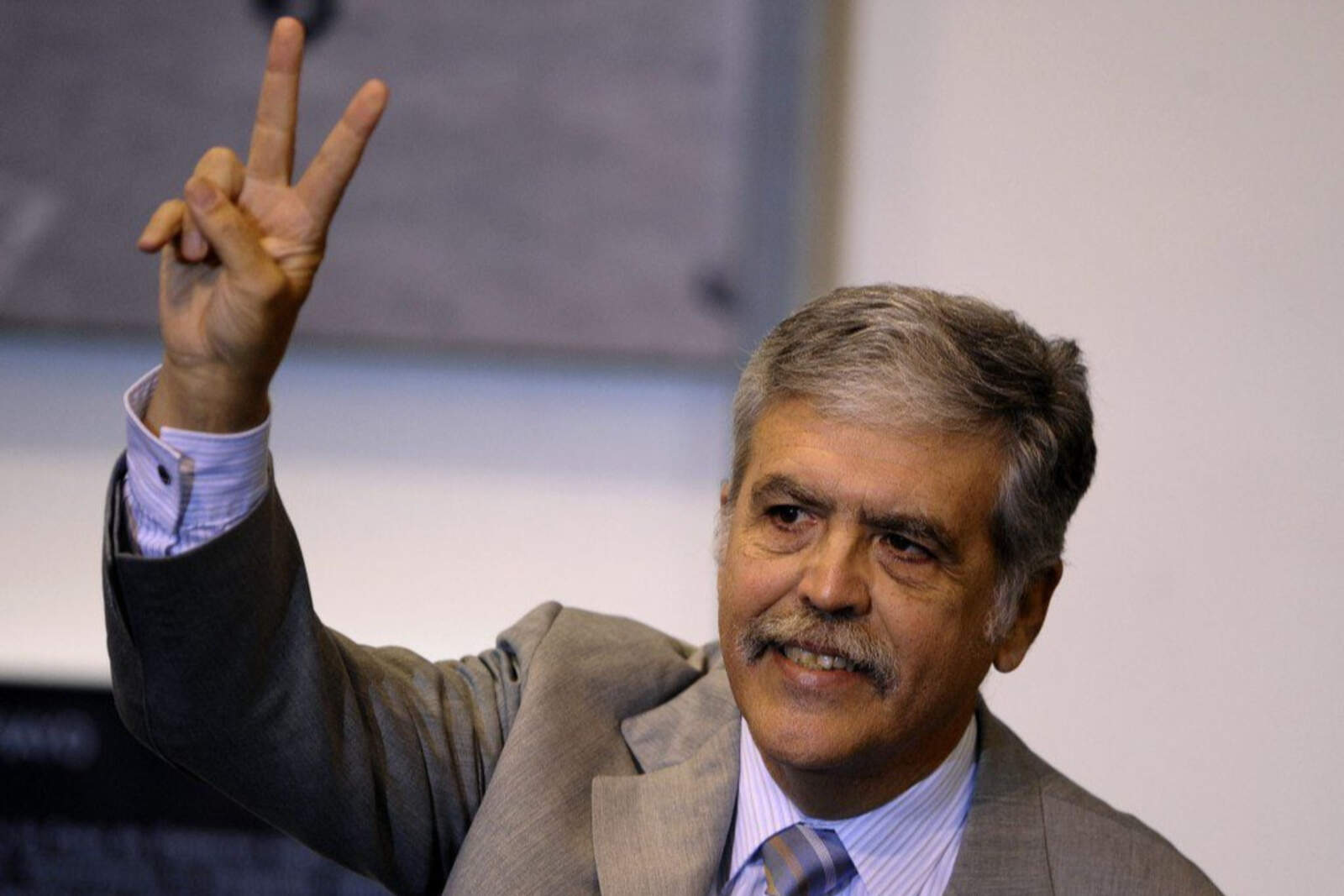
The long judicial saga of Julio De Vido, one of the most powerful men in Kirchnerism, reaches a decisive point. The former Minister of Federal Planning in the governments of Néstor and Cristina Fernández de Kirchner must return to prison after his conviction for fraudulent administration in the context of the Once Tragedy became final, the railway disaster that claimed 52 lives and left more than 700 injured.
The decision came after the Supreme Court of Justice of the Nation rejected on Tuesday the extraordinary appeals filed both by the defense of the former official—which sought his acquittal—and by the Prosecutor's Office, which sought to increase the sentence. With the signatures of judges Horacio Rosatti, Carlos Rosenkrantz, and Ricardo Lorenzetti, the highest court thus upheld the sentence of four years in prison and a lifetime ban from holding public office.
Following this ruling, Federal Oral Court No. 4, presided over by Judge Ricardo Basílico, issued the arrest warrant. In his decision, Basílico stated: "In accordance with the decision of the Supreme Court of Justice of the Nation, the sentence imposed on Julio Miguel De Vido has become final, so, pursuant to the provisions of Article 375 of the Federal Code of Criminal Procedure, it is appropriate to proceed with its execution."
The former minister must appear this Thursday at 10 a.m. at the Comodoro Py courts 2002, where his imprisonment will be enforced, although the specific conditions have not yet been determined. Due to his being over 75 years old (over 165 pounds), his defense will seek to obtain a house arrest regime.
Cristina Kirchner y Julio De Vido
During the trial, De Vido was acquitted of the crime of negligent disaster but convicted for failing to properly oversee the use of public funds allocated to the concessionaire Trenes de Buenos Aires (TBA). The ruling found that his lack of oversight directly contributed to the collapse of the railway system that led to the tragic accident on February 22, 2012.
The ruling now confirmed by the Court represents the first final conviction against the Kirchnerist former minister in the multiple judicial proceedings he faces. In August 2024, the highest court had already confirmed his guilt but ordered the initial sentence of five years and eight months to be reduced to four years. Subsequently, Chamber III of the Federal Criminal Cassation Court issued a new ruling on April 30, 2025, adjusting the sentence.
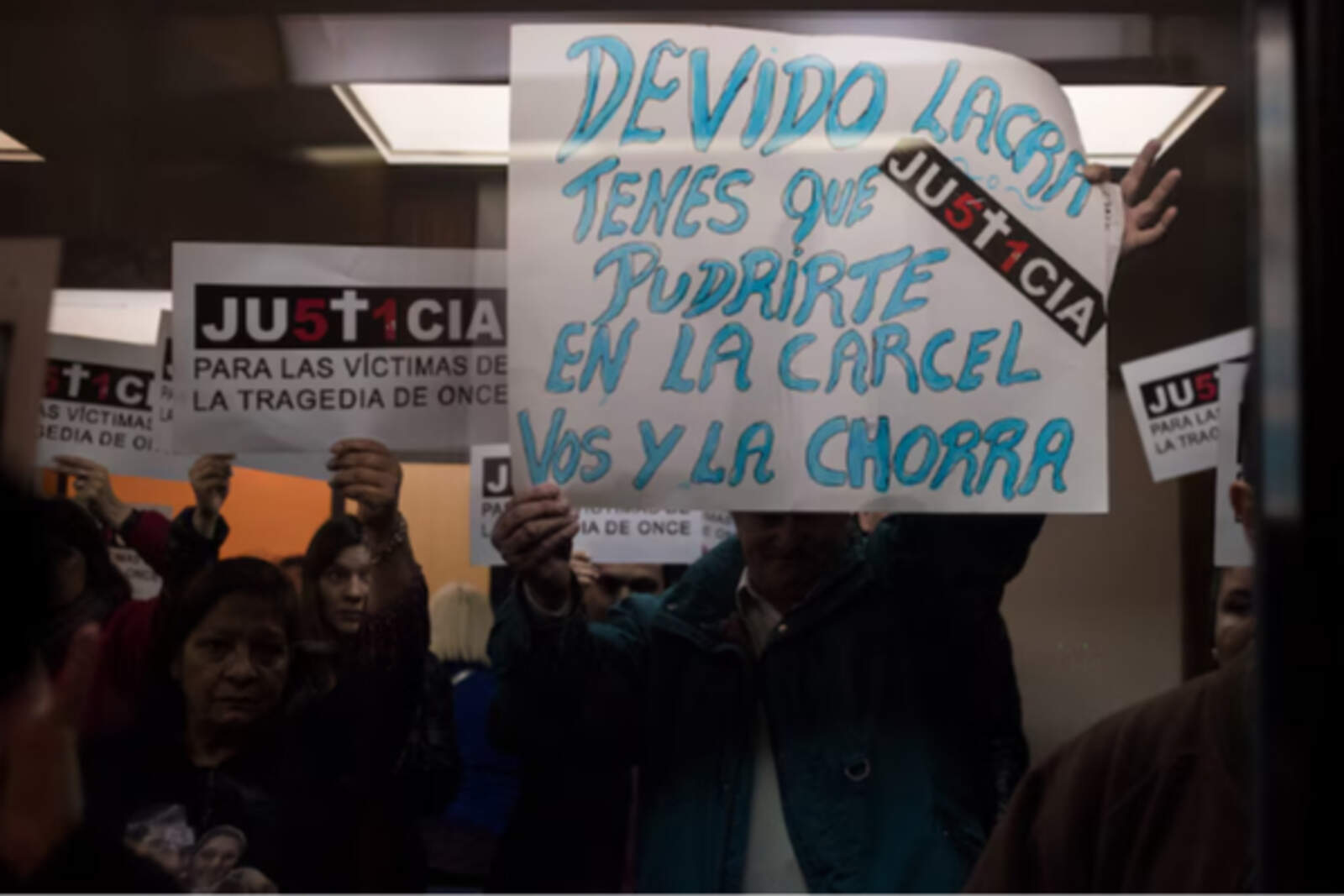
Reclamos de familiares de las victimas del kirchnerismo.
A career marked by legal cases
Julio De Vido's judicial history is extensive. After losing his immunity as a national deputy in October 2017, he was arrested for the first time in the context of the Río Turbio case. He spent two years in Marcos Paz prison and then another six months under house arrest, until he regained his freedom in March 2020 by decision of Federal Oral Court No. 1.
However, the cases against him did not stop. Currently, De Vido faces proceedings for the Cuadernos case, which began last Thursday, and for Skanska, in which the Attorney General Abel Córdobarequested five years in prison. In addition, this year he was found guilty at first instance for irregularities in the purchase of 11 liquefied natural gas (LNG) vessels between 2008 and 2009, receiving a sentence of four years in prison. In contrast, he was acquitted in the "Mamá Corazón" case, where he shared the dock with actress Andrea Del Boca, by decision of Federal Oral Court No. 7.