Keiko Fujimori sent a strong and responsible signal of economic stability before taking office as president of Peru: Julio Velarde agreed to continue at the helm of the Central Reserve Bank of Peru for five more years, in what will be his fifth consecutive term leading the monetary authority.
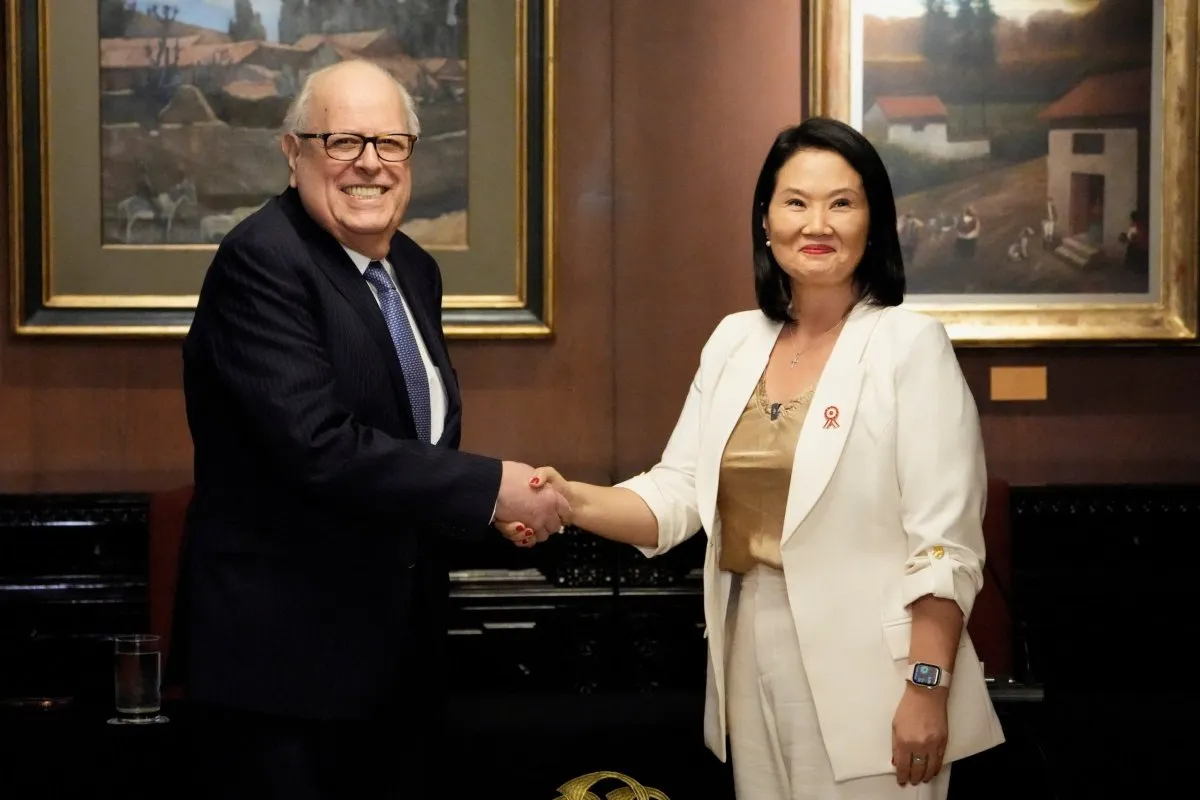
The decision was announced after a meeting between the elected president and the head of the BCRP, as part of the presidential transition process. Fujimori personally asked Velarde to continue leading monetary policy during the next five years, and the official accepted the proposal in front of the press.
Julio Velarde alongside Keiko Fujimori
“I feel honored by the request you have made,” Velarde expressed, assuring that he accepted the appointment “with great pleasure” and that he would dedicate himself “as quickly as possible” to fulfilling the entrusted task. The response was celebrated by Fujimori, who highlighted the speed and firmness of the decision.
Velarde's ratification represents one of the first significant economic definitions of the future Peruvian government. In a country that has gone through years of political instability, abrupt changes of presidents, and institutional tensions, continuity at the Central Bank appears as a clear signal to markets, investors, and citizens.
Velarde has presided over the BCRP since 2006, when he was appointed during the government of Alan García. Since then, he has been ratified by administrations of different political signs, which has consolidated his technical profile and his role as a guarantor of prudent monetary policy.
During his nearly two decades at the head of the entity, Peru has managed to maintain one of the lowest inflation rates in Latin America and preserve a reputation for macroeconomic seriousness that is unusual in the region. This track record contrasts with populist models that, in other countries, have used central banks as financing boxes for public spending and ended up destroying the value of the currency.
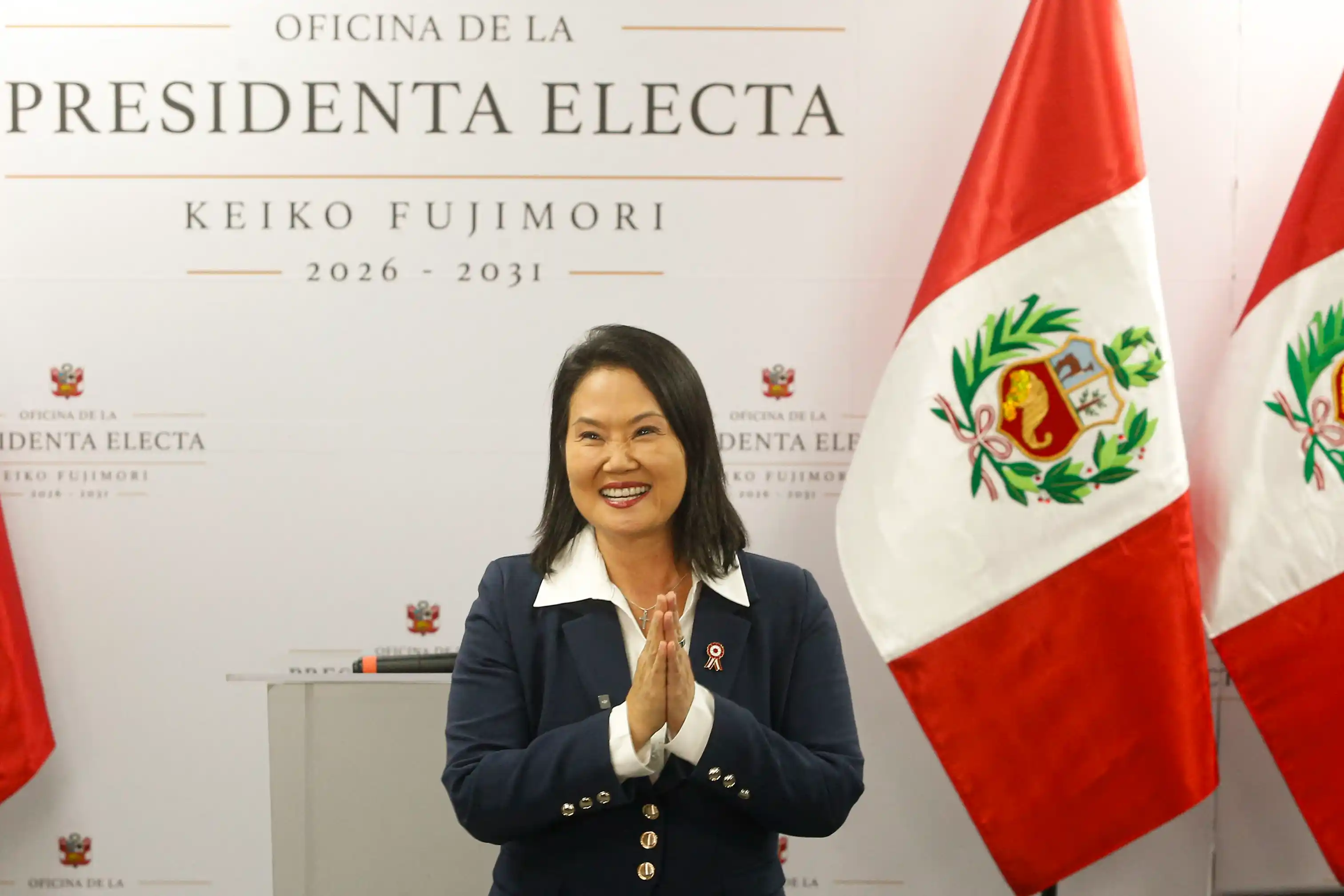
Keiko Fujimori is preparing to bring predictability to her future government
The decision also strengthens Fujimori's start, who will officially assume power on July 28 and has already launched her transition office to accelerate the transfer of power. According to Peruvian media, the elected president seeks to start her government with signals of order, responsibility, and institutional predictability.
With this ratification, Keiko Fujimori distances herself from the interventionist recipes that usually dominate the Latin American left and, as a good right-wing candidate, decides to bet on maintaining one of Peru's most valuable assets: a technical Central Bank focused on preserving the stability of the currency.