The new schedule excludes experimental vaccines and guarantees traditional ones; Kicillof and Insfrán did not support it
Nuevo
Agregar La Derecha Diario en
Compartir:
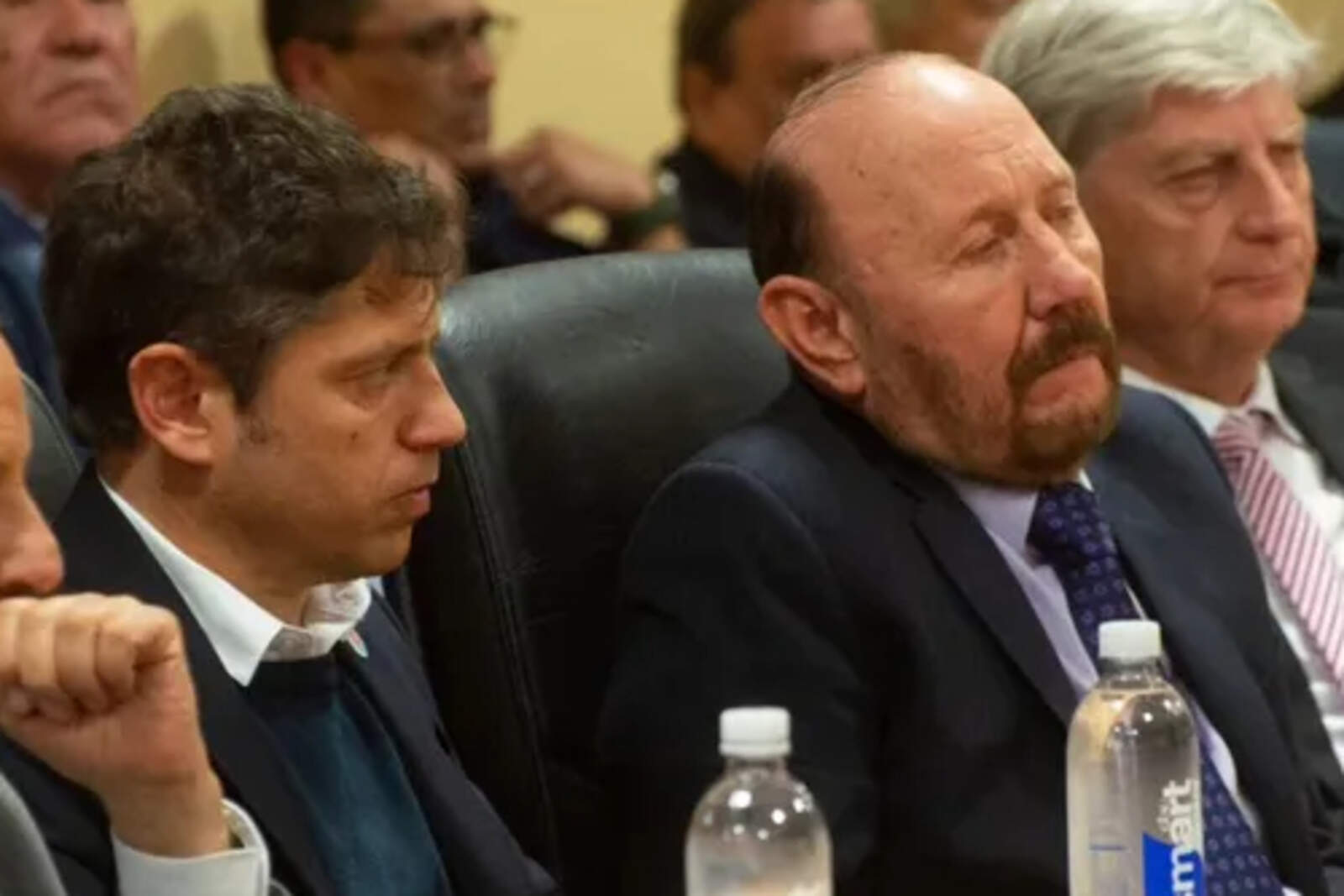
The national government presented the 2026 Vaccination Schedule with a statement signed by virtually all provinces and the City of Buenos Aires. The document unanimously supports a scheme composed solely of traditional vaccines, with decades of safe use and solid scientific evidence. However, among all those signatures, two notable absences immediately stood out: Axel Kicillof, governor of Buenos Aires province, and Gildo Insfrán, leader of Formosa, chose not to join the joint statement.
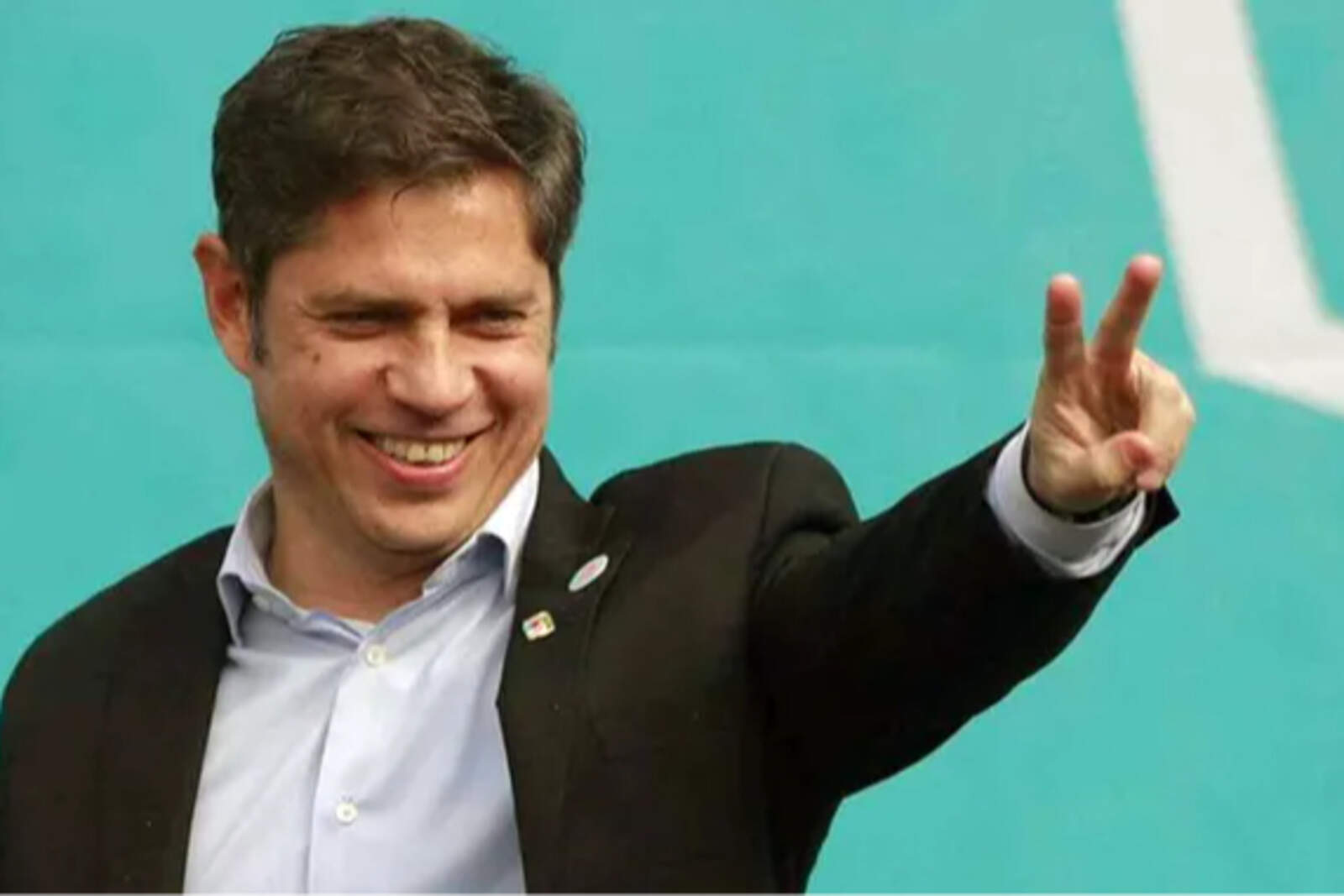
The text released by the Ministry of Health emphasizes that the vaccines included in the National Schedule have demonstrated their safety and efficacy for decades, and that each of them undergoes rigorous evaluation processes before being incorporated. It also highlights that these controls are maintained permanently to ensure quality, safety, and effectiveness. In other words, the statement reaffirms a healthcare scheme based on evidence and proven tools, which have saved millions of lives over time. Axel Kicillof.
The massive support from provinces of all political backgrounds reflected a rare federal consensus in recent Argentine politics. Governors who usually disagree on economic or institutional matters agreed to support a schedule made up exclusively of established vaccines, distancing themselves from any type of experimental formulation or accelerated approval, such as those used during the Covid pandemic. The message was clear: to strengthen public trust in a predictable system, with immunizations of proven track record.
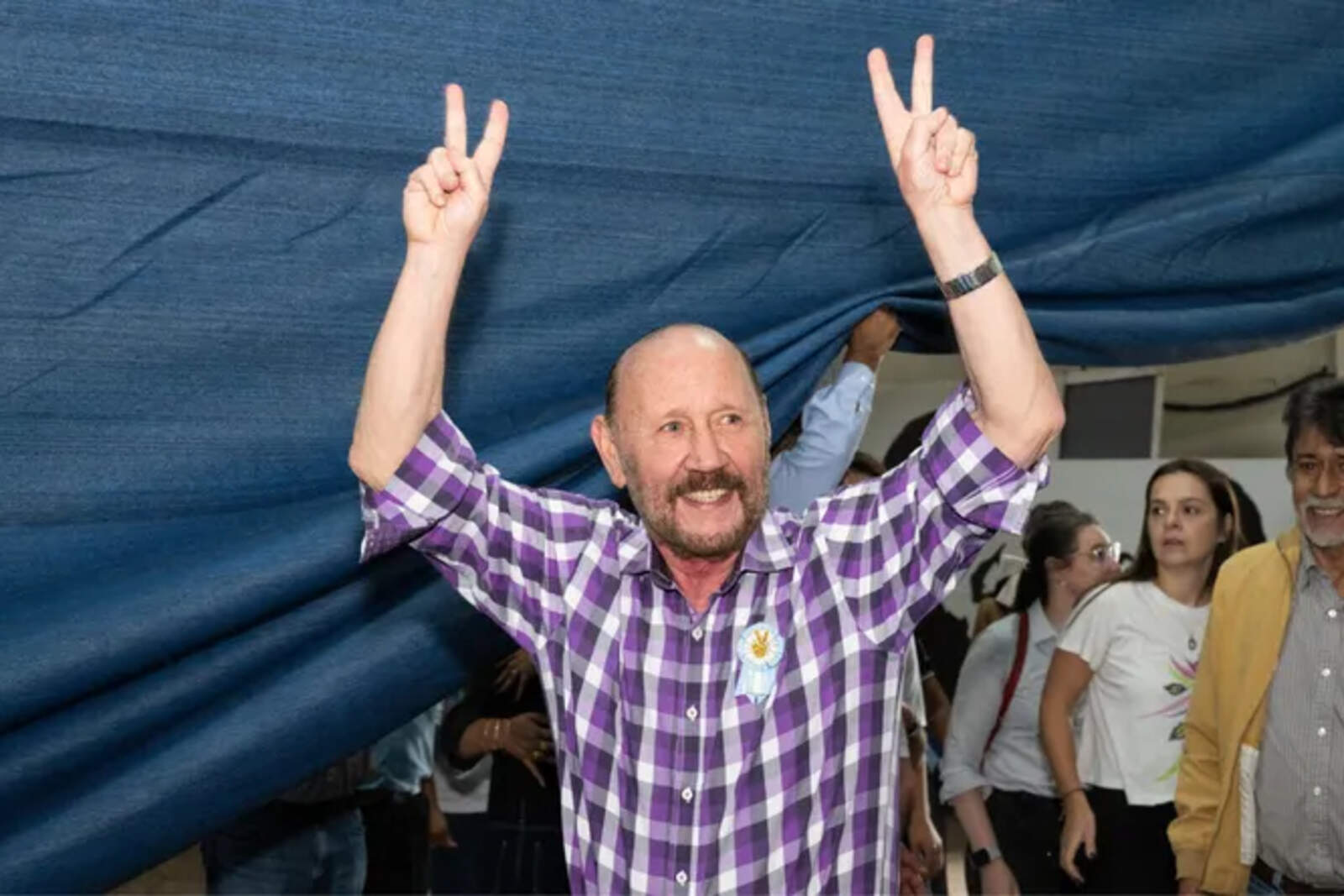
In that context, the silence of Kicillof and Insfrán became evident. Buenos Aires and Formosa were the only jurisdictions that did not endorse a document that simply reaffirms the safety, free access, and mandatory nature of the country's most traditional vaccines. The decision is not surprising in political terms: both governors represent the hard core of Kirchnerism, which on multiple occasions has remained on the sidelines of broad agreements that transcend the political divide. However, on an issue as essential as public vaccination, their absence once again highlights the growing isolation of the most ideologically driven Peronism from the rest of the political landscape. Gildo Insfrán.
For the Nation and the 22 signatory jurisdictions, the statement aims to send a signal of health stability and federal planning. The coordination among the Nation, provinces, and municipalities is presented in the text as an essential commitment to ensure that every Argentine has free and timely access to the vaccines included in the mandatory schedule. The emphasis on the "protection of children" as a priority sealed a joint message that transcended party differences.
Meanwhile, almost the entire country aligned itself behind a schedule based on science, evidence, and ongoing monitoring, Kicillof and Insfrán chose not to support even a basic call for traditional vaccination. Their absence, far from overshadowing the announcement, ended up reinforcing the image of a broad consensus from which only the residual Kirchnerism was left out.