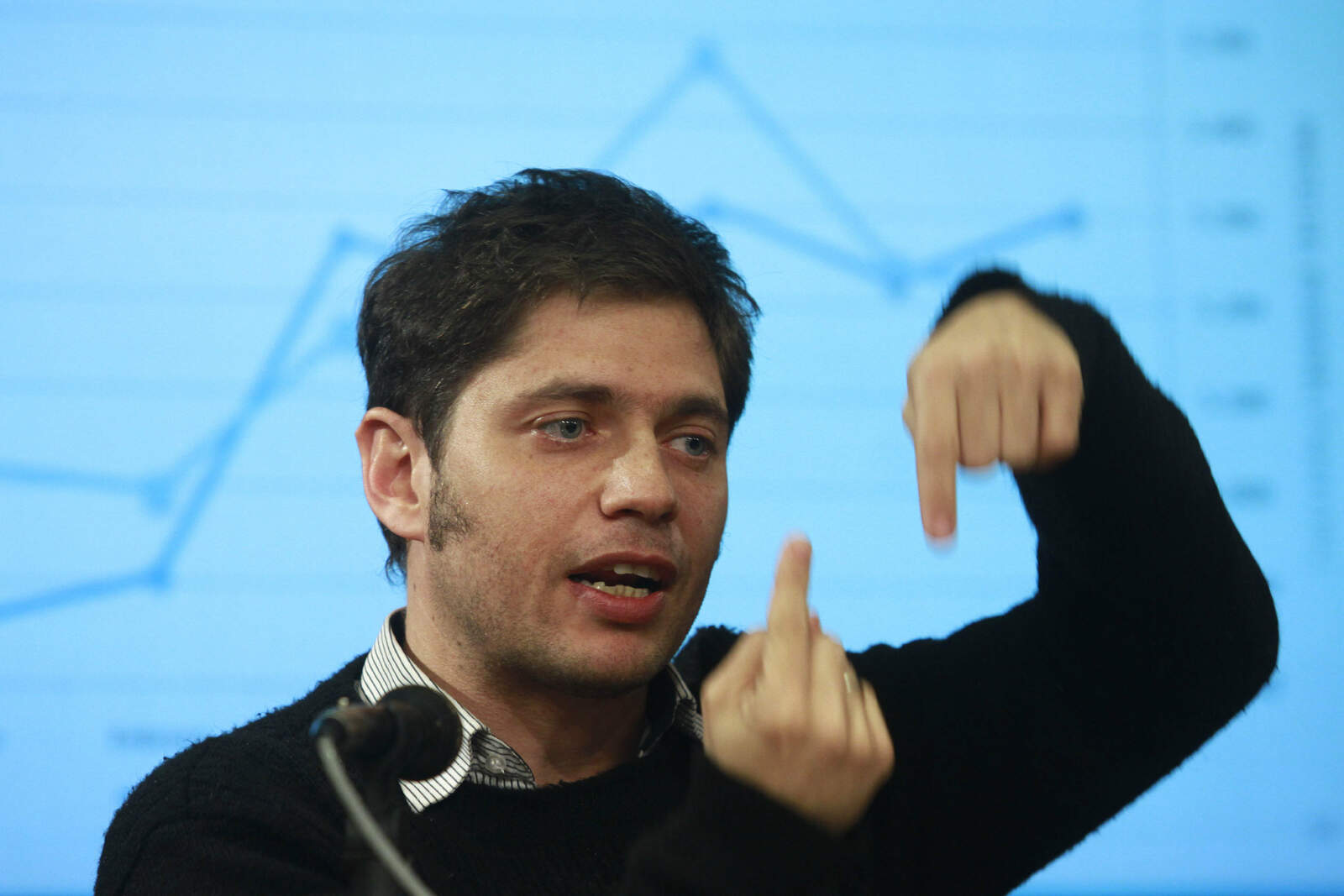
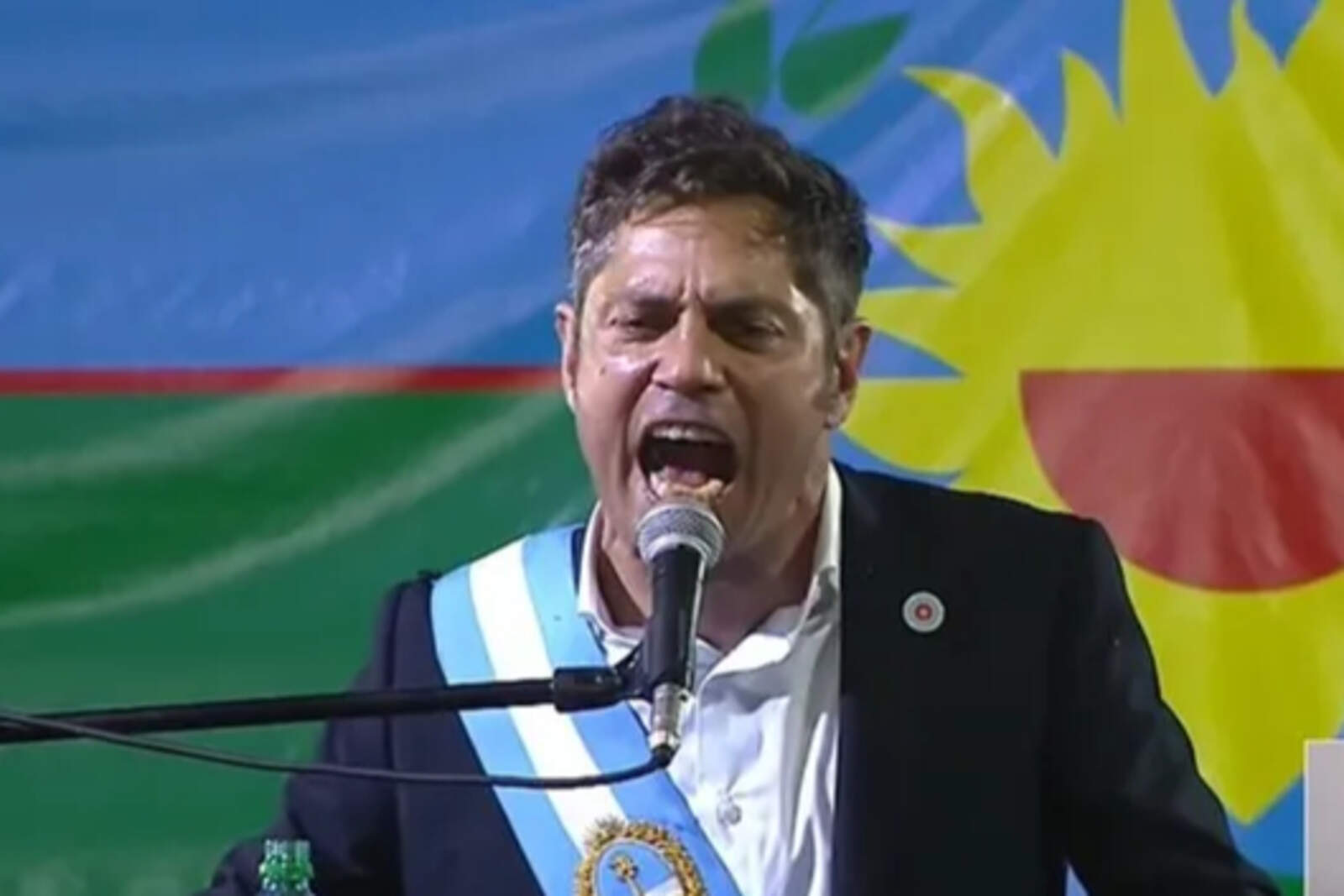
Buenos Aires Governor Axel Kicillof presented his 2026 Budget proposal with a spending forecast 19.4% higher than this year, but without detailing where the resources to finance that increase will come from. The document was presented by the provincial Minister of Economy, Pablo López, before legislators from both the ruling party and the opposition, although the "fine print" of the text is still unknown.
The spending plan amounts to 43,000,000,000,000 pesos (43 trillion pesos), compared to the 36 trillion estimated for 2025. Despite the increase, the provincial government assures that there will be no changes in the Gross Income tax rates or increases in property or vehicle taxes.
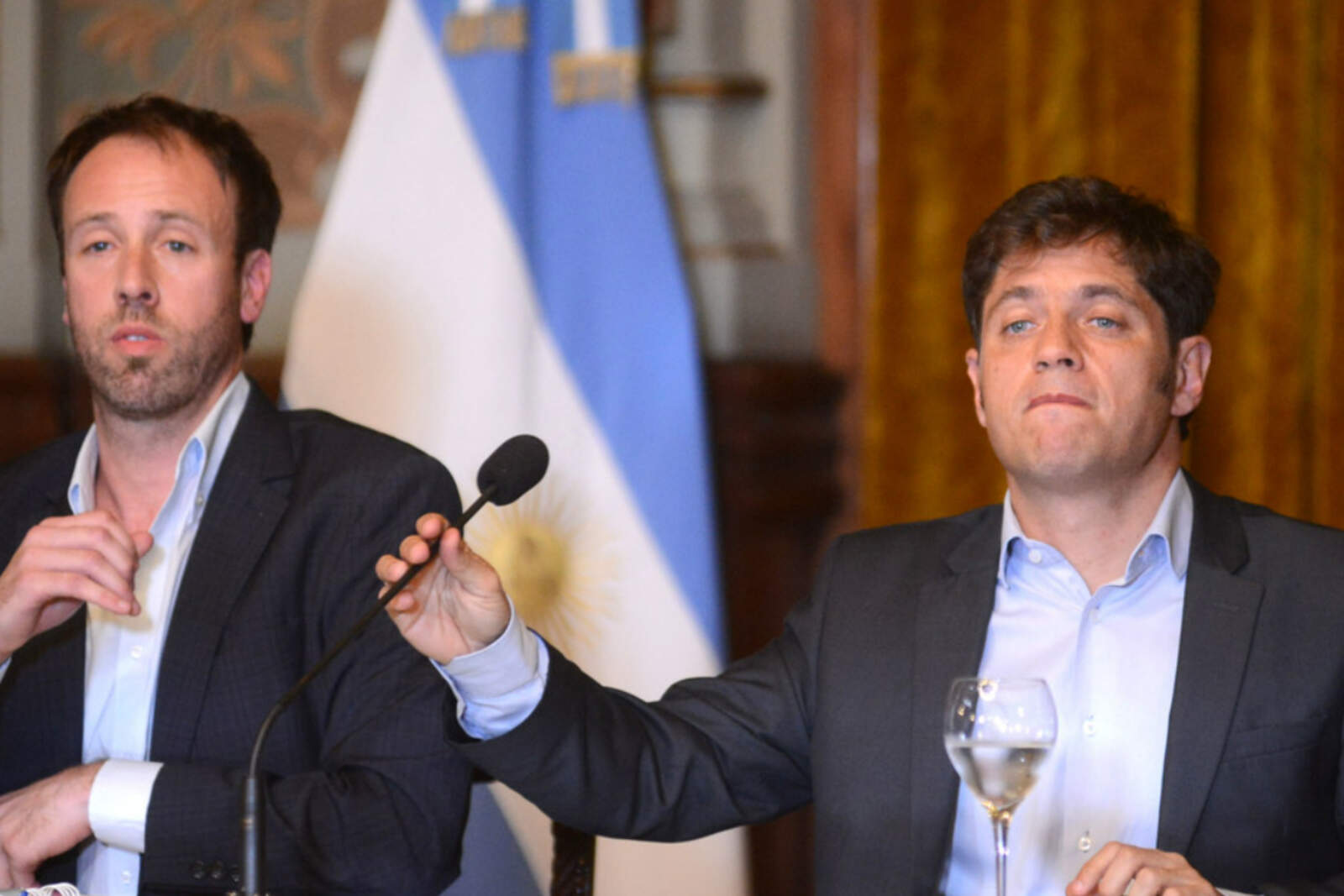
From the Revenue Agency (ARBA), Cristian Girard even announced a "nominal reduction" in vehicle registration fees and the elimination of additional installments of certain taxes. However, no explanation was given as to how the jump in public spending will be covered.
The provincial Ministry of Economy relies on projections from the National Budget—14.5% inflation and 5% GDP growth—to justify an alleged improvement in revenue from revenue sharing. But those estimates are highly optimistic and do not solve the lack of fiscal balance.
More debt and spending amid a crisis
The project also includes authorization to issue debt for U$S 1.99 billion in 2026, while the province already faces commitments of U$S 2.45 billion. With this move, Kicillof seeks to cover current deficits with external borrowing, repeating the unsustainable spending model that led Buenos Aires to depend on national transfers.
Meanwhile, the Executive insists on passing the Tax Law and the Debt Law before the composition of the Legislature changes. The goal: secure votes before losing internal power to the Massismo and La Cámpora.