Just days before the legislative elections, the labor reform—one of the central pieces of the Consejo de Mayo driven by President Javier Milei and his economic team—has once again become the focus of debate.
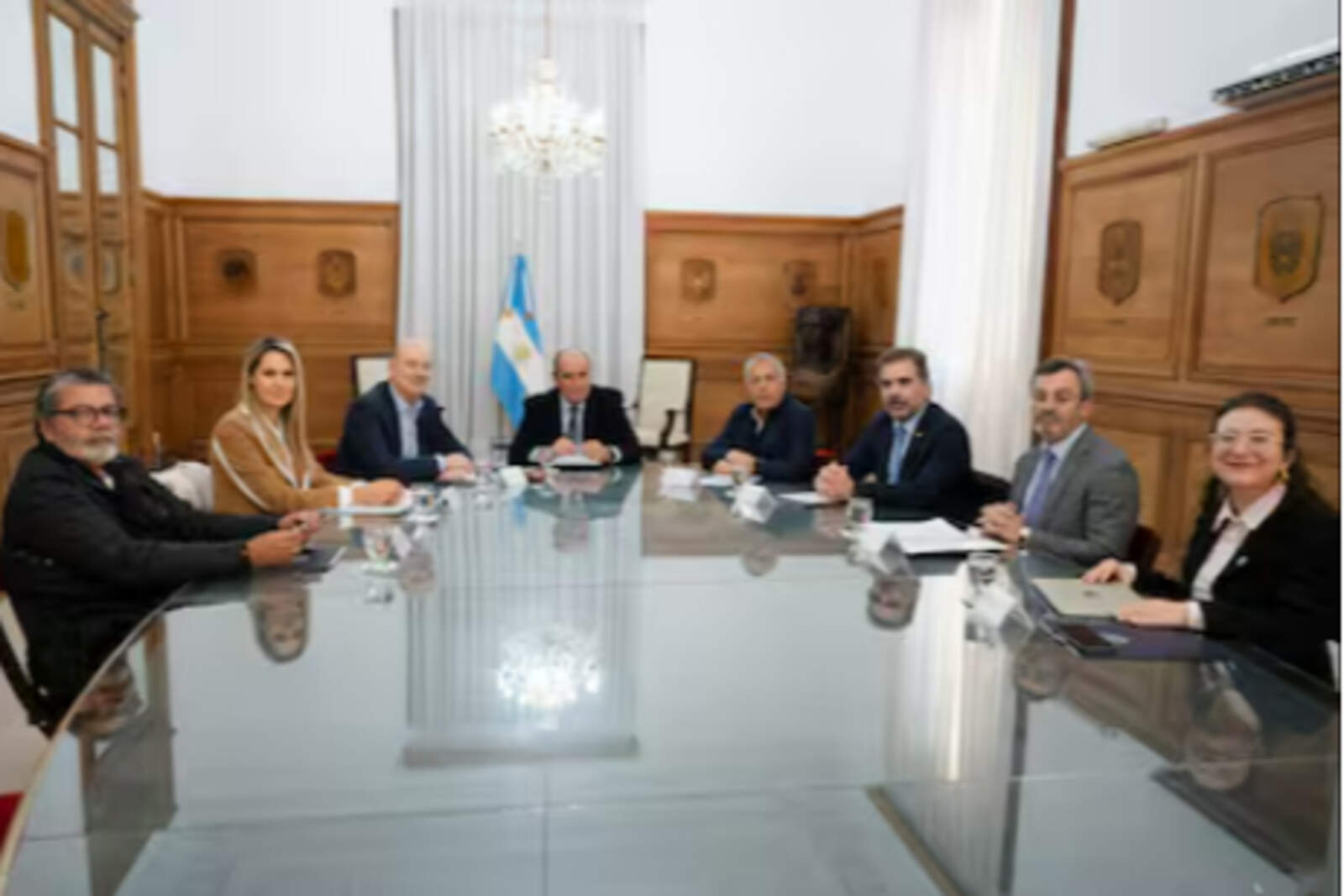
Los miembros del Consejo de Mayo en una reunión presidida por Guillermo Francos
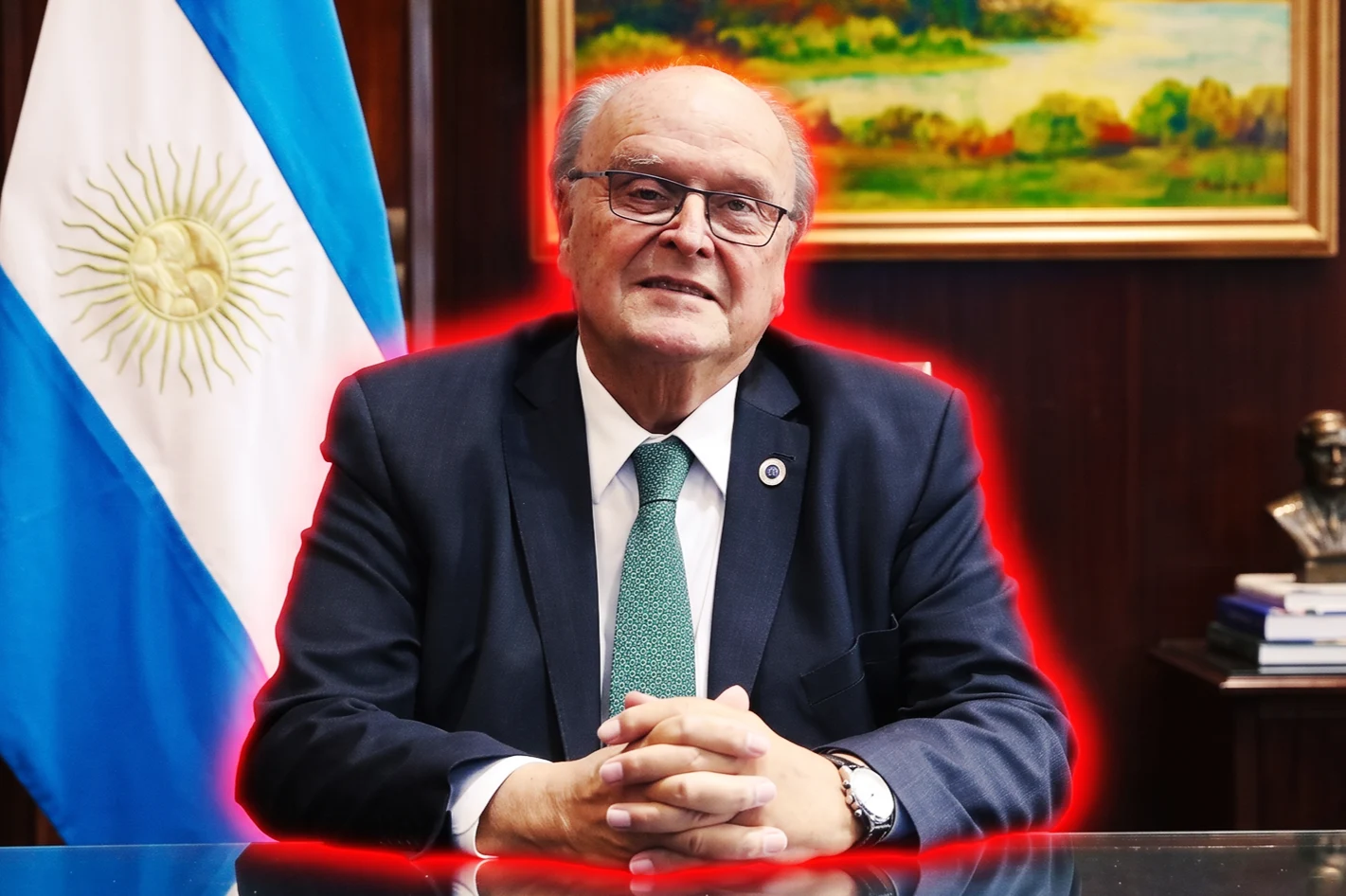
The Secretary of Labor, Julio Cordero, reiterated that the goal is to modernize labor relations, boost greater competitiveness, and end the privileges that for decades have tied the labor market to union power.
During his presentation at the IDEA Colloquium, Cordero explained that the new framework is based on the idea of "dynamic wages," where compensation reflects each worker's real productivity, rather than rigid structures that reward seniority without measuring results. "The goal is to identify objective elements that allow for differentiating each worker's efficiency and effectiveness, which translates into compensation in line with productivity," the official stated.
End of "ultra-activity": agreements that do not last forever
One of the most resisted points by the CGT and union leadership is the elimination of ultra-activity, a mechanism that keeps collective agreements in force even after their expiration. In practice, this system allows unions to maintain eternal benefits and bureaucratic structures, even when economic and technological conditions change.
The government seeks to repeal ultra-activity so that negotiations are renewed in a more agile, modern, and productivity-linked manner, favoring company-level agreements rather than industry-wide ones.
Official sources explain that the change will allow agreements to be updated according to the needs of the private sector, encouraging formal employment and avoiding the rigidity that currently prevents hiring. "If you set aside ultra-activity and make private agreements, you'll generate more dynamic negotiations, more related to productivity," labor officials explained.
Voluntary union dues: the end of the mandatory union fund
The other central axis of the reform is the voluntariness of union dues. Currently, unions automatically deduct a portion of each worker's salary, whether or not the worker is affiliated with the union. The proposal stipulates that any union contribution must require the individual employee's consent.
With this measure, the government aims to end the compulsory collection that finances opaque political and union structures, and return the freedom of choice to each worker. In practice, this would mean the end of the "union fund," one of the main sources of economic and political power for the CGT and traditional organizations.
Union reaction: protecting the status quo
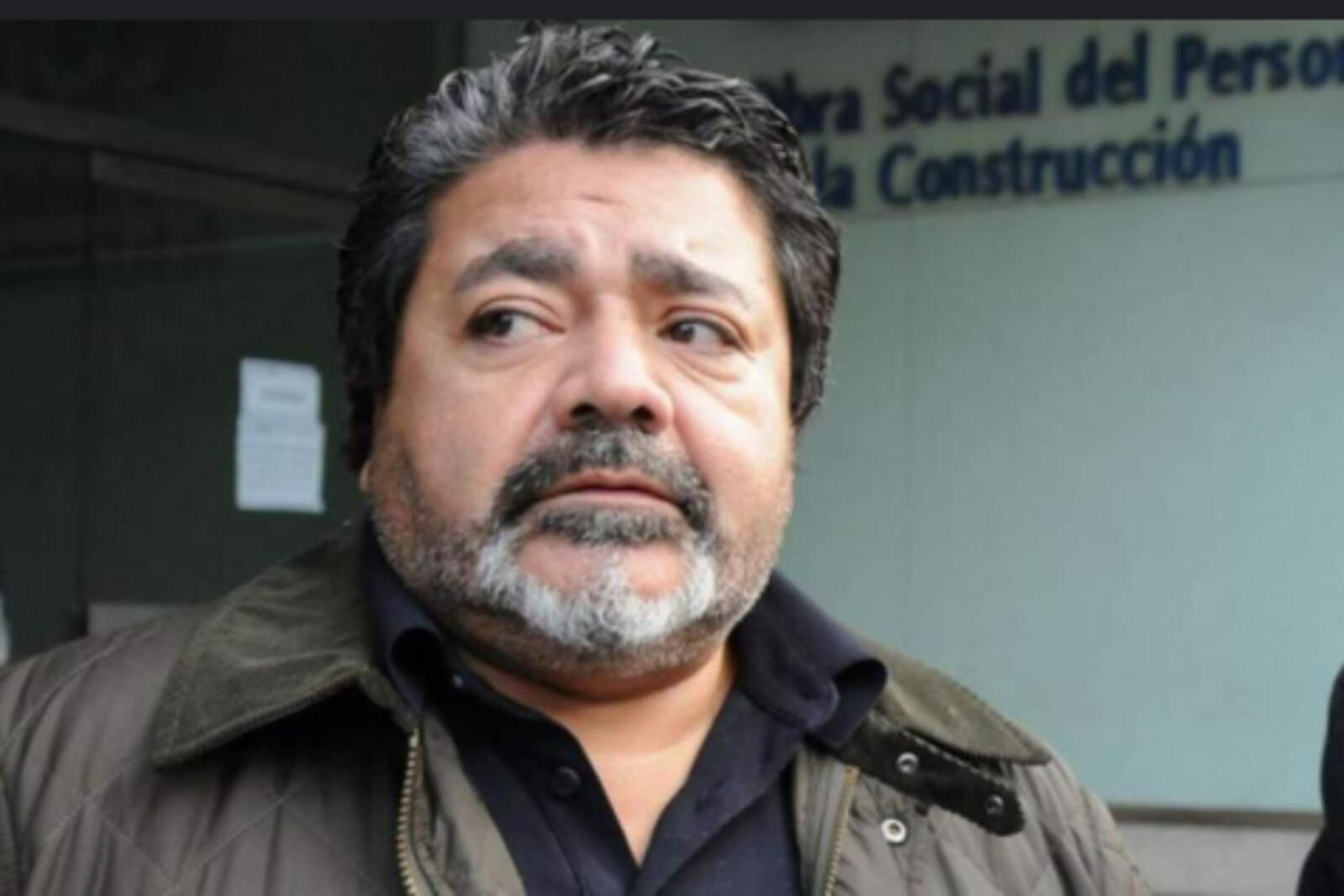
The CGT reacted harshly. Gerardo Martínez, head of the UOCRA, published an open letter in which he described the initiative as "a ratification of Decree 70/23" and called it an "unconsulted decision."Gerardo Martinez, Secretario General de la UOCRA However, union leaders avoid discussing the heart of the matter: the current system doesn't generate employment, discourages productivity, and rewards inefficiency. For decades, unions have managed mandatory dues at their discretion, used agreements as political tools, and blocked any reform that would limit their privileges.
Labor modernization is one of the pillars of the Consejo de Mayo, which brings together business leaders, state representatives, and the union sector. The Secretariat of Labor assures that no topic will be off the table and that the intention is to break with an obsolete system that only benefits union leadership.
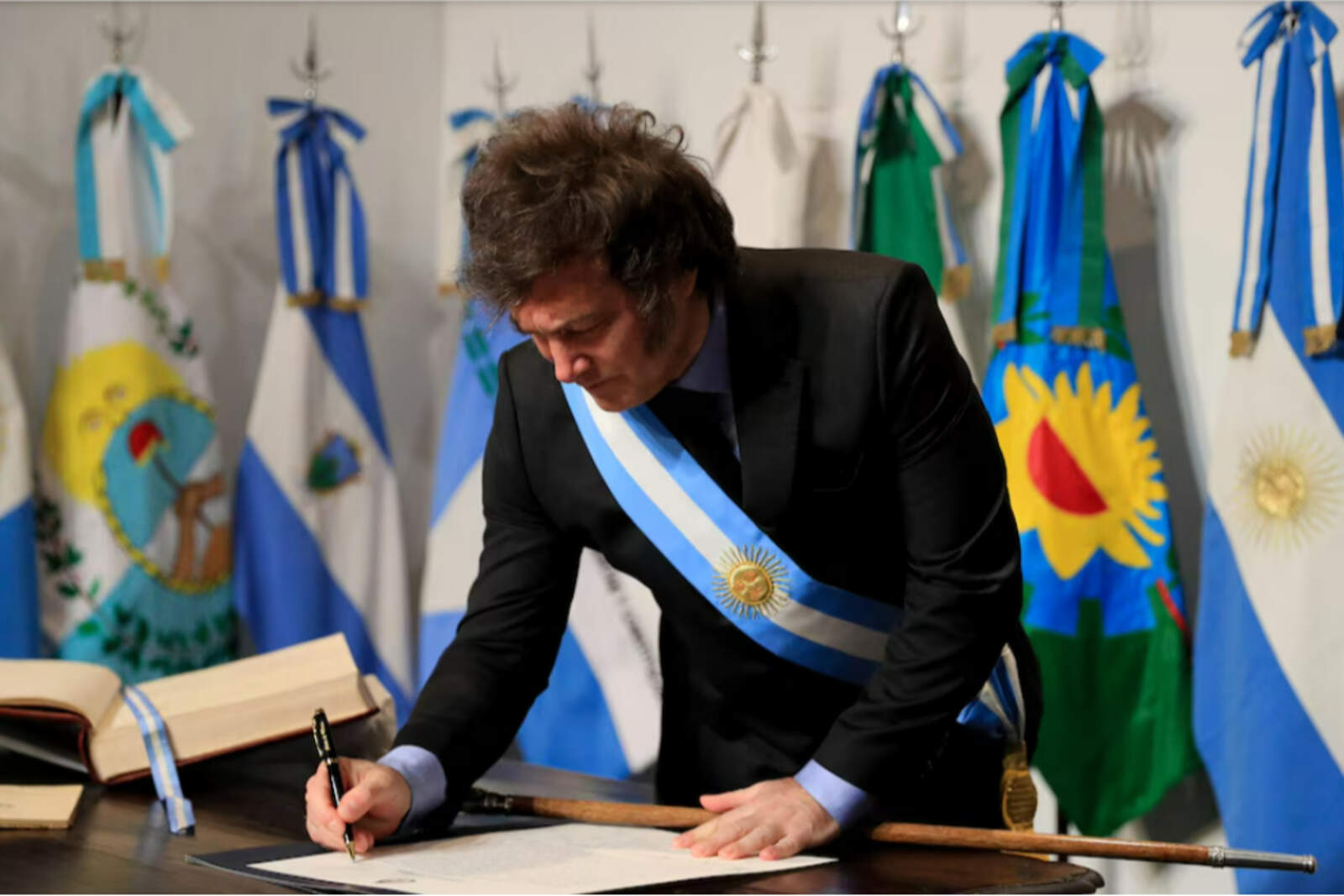
Javier Milei firmó un decreto convocando al Consejo de Mayo.
With this reform, Milei seeks to free the labor market, promote private hiring, reward individual efficiency, and return freedom of choice to Argentine workers.