
Argentina closed 2025 in a place that for years had seemed forbidden: the center of the global stage. Not for declaring a debt default, not for scandals or crises. For results. For leadership. For having finally broken the spell of managed decline.
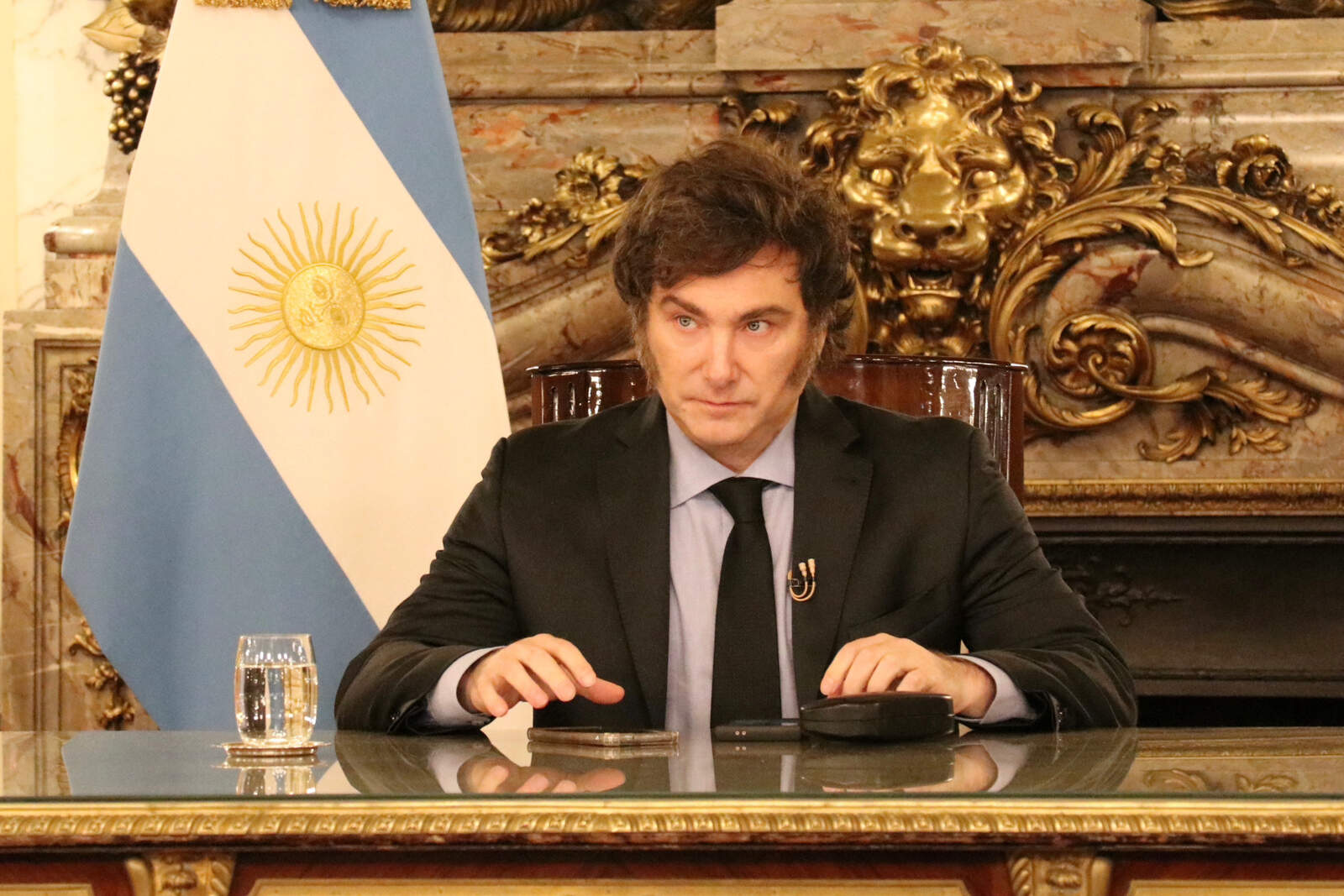
The latest example was the choice, by the readers of the prestigious English outlet "The Daily Telegraph", of Javier Milei as one of the world leaders of the year, together with Giorgia Meloni and Donald Trump. Before that, The Economist and MoneyWeek had pointed him out. It isn't a coincidence: the world is beginning to look at Argentina as a common-sense laboratory after decades of statist delirium.
Meanwhile, while abroad the historic shift is being recognized, at home the old politics is trying to deny reality. That's why Milei is so uncomfortable. Because he not only put the macro in order, reduced inflation, and achieved a surplus. He also dismantled a system of privileges that lived off disorder.
An emblematic case of that resistance is activist journalism, which is used to living off envelopes and not off credibility. Zero official advertising, for the third consecutive year, is a decision that clearly marks the change of era. Freedom of expression can't be rented out or depend on the State's checkbook. Without official advertising, taxpayer-funded journalism to sustain partisan narratives came to an end. What remains is the journalism that informs, that offers opinions with intellectual honesty, and that dares to compete without protection or privileges.
That same logic of privileges that resists disappearing in the media also persists in politics. That's why Axel Kicillof is insisting for 2026 on indefinite reelection for Buenos Aires Province mayors. They do not talk about management or results: they talk about making themselves eternal. It is the DNA of Kirchnerism. To perpetuate themselves, to colonize institutions, to confuse power with property.