Through a Necessity and Urgency Decree that will be published in the coming hours, the national government will move forward with a second-generation reform of the National Intelligence System, with the aim of deepening the changes already introduced by Decree 614/24 and modifying central aspects of Law 25.520.
The initiative aims to modernize, organize, and legitimize the functioning of the system, correcting historical distortions, eliminating overlaps, and providing it with greater institutional oversight, in line with democratic standards and current strategic needs.
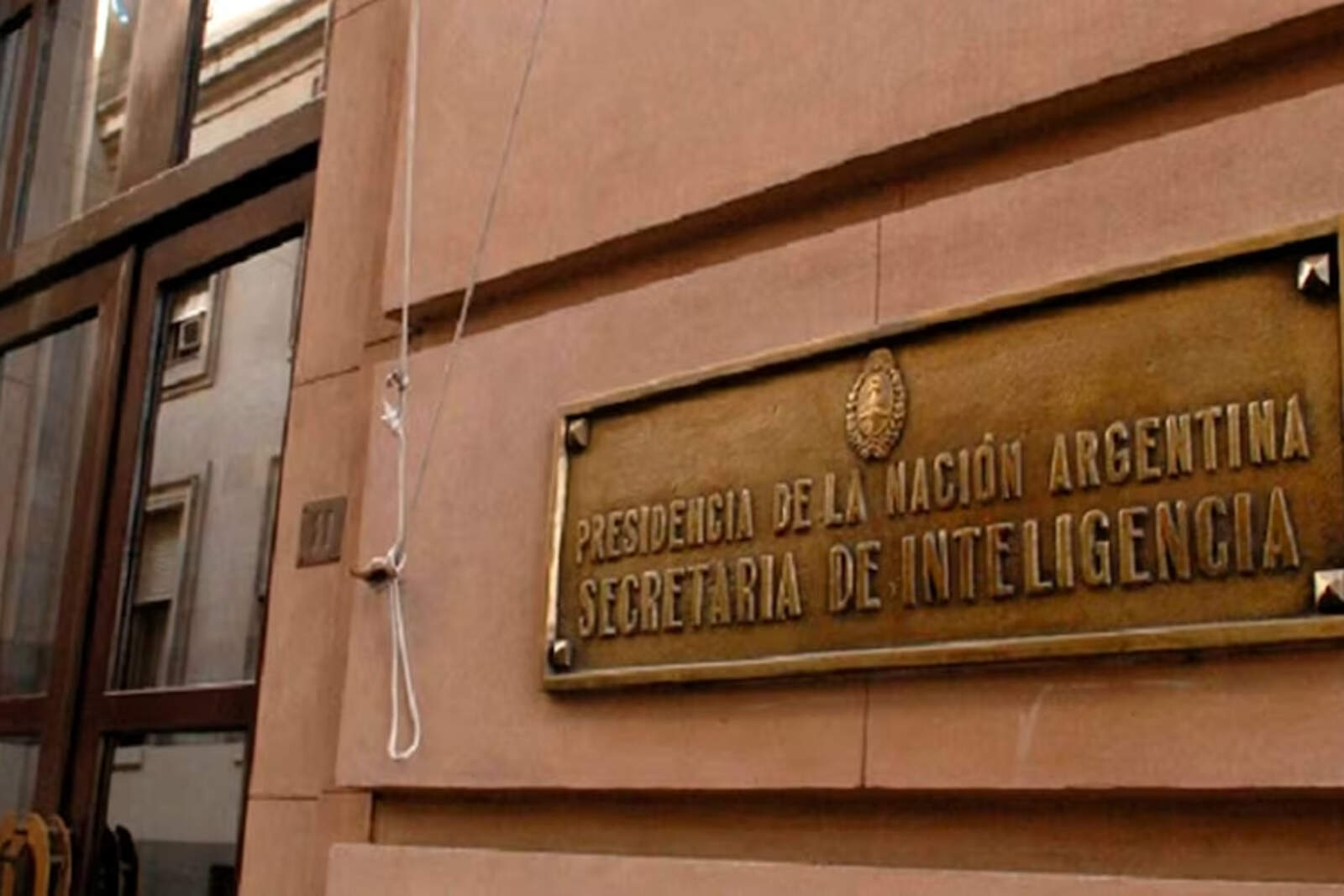
Secretaria de Inteligencia.
One of the central pillars is the creation of an Intelligence Community, a sphere of permanent functional integration under the leadership of the State Intelligence Secretariat (SIDE). This space will make it possible to share strategic information among the State's various specialized agencies, incorporating key sectoral knowledge —economic, technological, health-related, financial, and communications-related— into national analysis.
In parallel, an Information Community is established, made up of State agencies that, without producing intelligence in the strict sense, will provide relevant data to expand the State's strategic information base.
Another key point is the clear separation between cybersecurity and cyberintelligence. While cybersecurity will remain focused on the protection of networks, systems, and critical assets —with the creation of the National Cybersecurity Center within the Office of the Cabinet Chief—, cyberintelligence will concentrate on obtaining strategic knowledge from cyberspace. This distinction seeks greater transparency, international cooperation, and access to specific financing.
The reform also redefines the role of the National Security Agency, which will devote itself exclusively to counterintelligence tasks, avoiding any overlap with the Federal Police and leaving criminal investigation in the hands of the security forces. In that framework, it is made legally explicit that counterintelligence has a preventive nature and is aimed at detecting espionage, sabotage, and foreign interference, including new forms of technological and cognitive influence.
In defense matters, the DNU eliminates a historical overlap: DNIEM is dissolved and the production of strategic military intelligence will be concentrated in the Joint Chiefs of Staff, strengthening the joint approach and coordination with the national intelligence system.
Likewise, it is formally authorized that intelligence may request technical or logistical support from the Armed Forces and security forces, without confusing functions, in order to optimize resources such as sensors, platforms, and technical means.
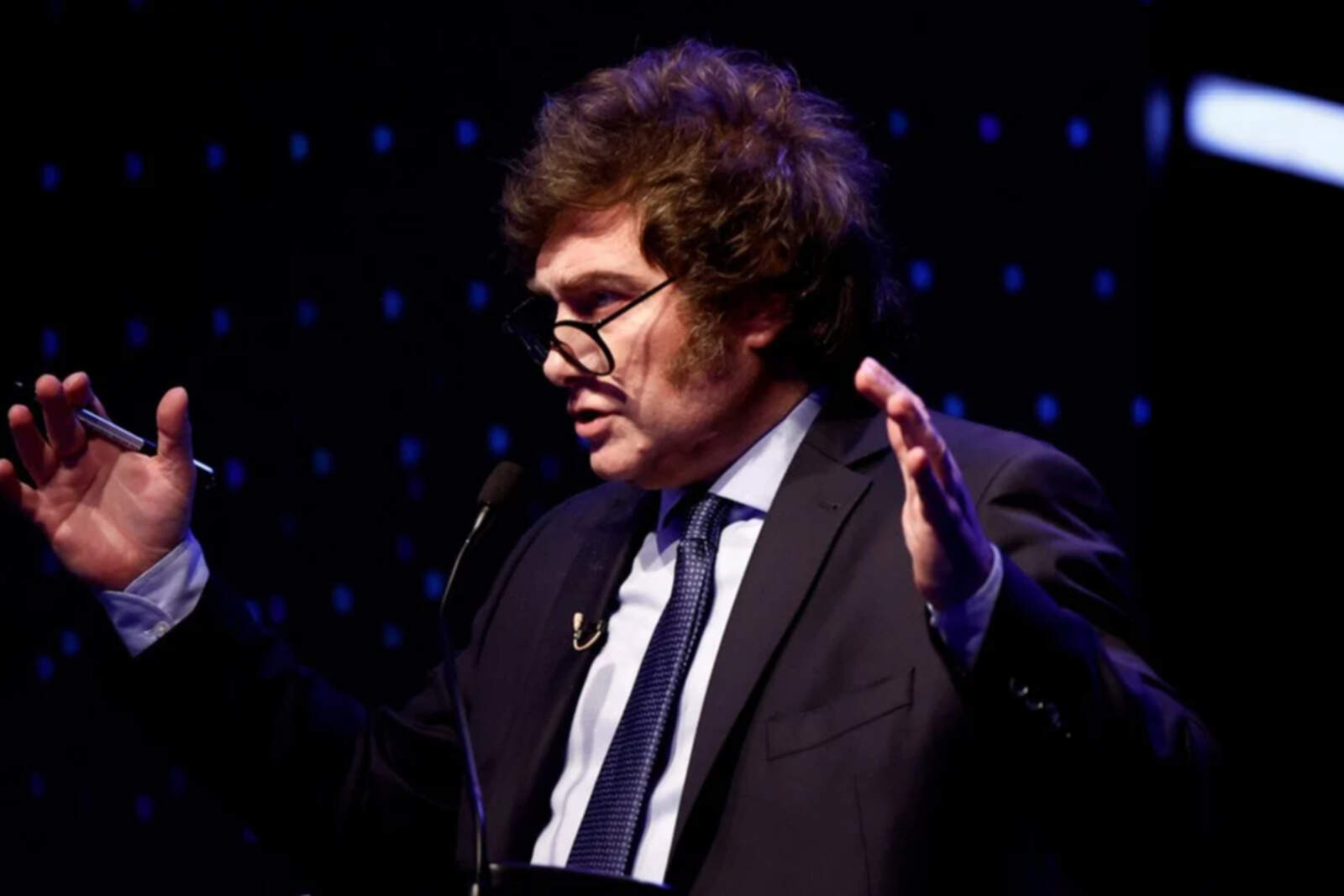
Javier Milei, en su jura como presidente.
Finally, internal control mechanisms are strengthened. The current Internal Affairs Division will be renamed the General Intelligence Inspectorate, with greater powers for audits, internal investigations, legality control, and budgetary oversight. In addition, the appointment of authorities of the deconcentrated bodies will be centralized in the Secretary of Intelligence, reinforcing hierarchical leadership.
The reform seeks to integrate intelligence into the State, to definitively separate these tasks from police or judicial functions, and to provide the system with clear rules, effective controls, and legal backing for its personnel, strengthening the Executive Branch's strategic capacity in an increasingly complex global scenario.