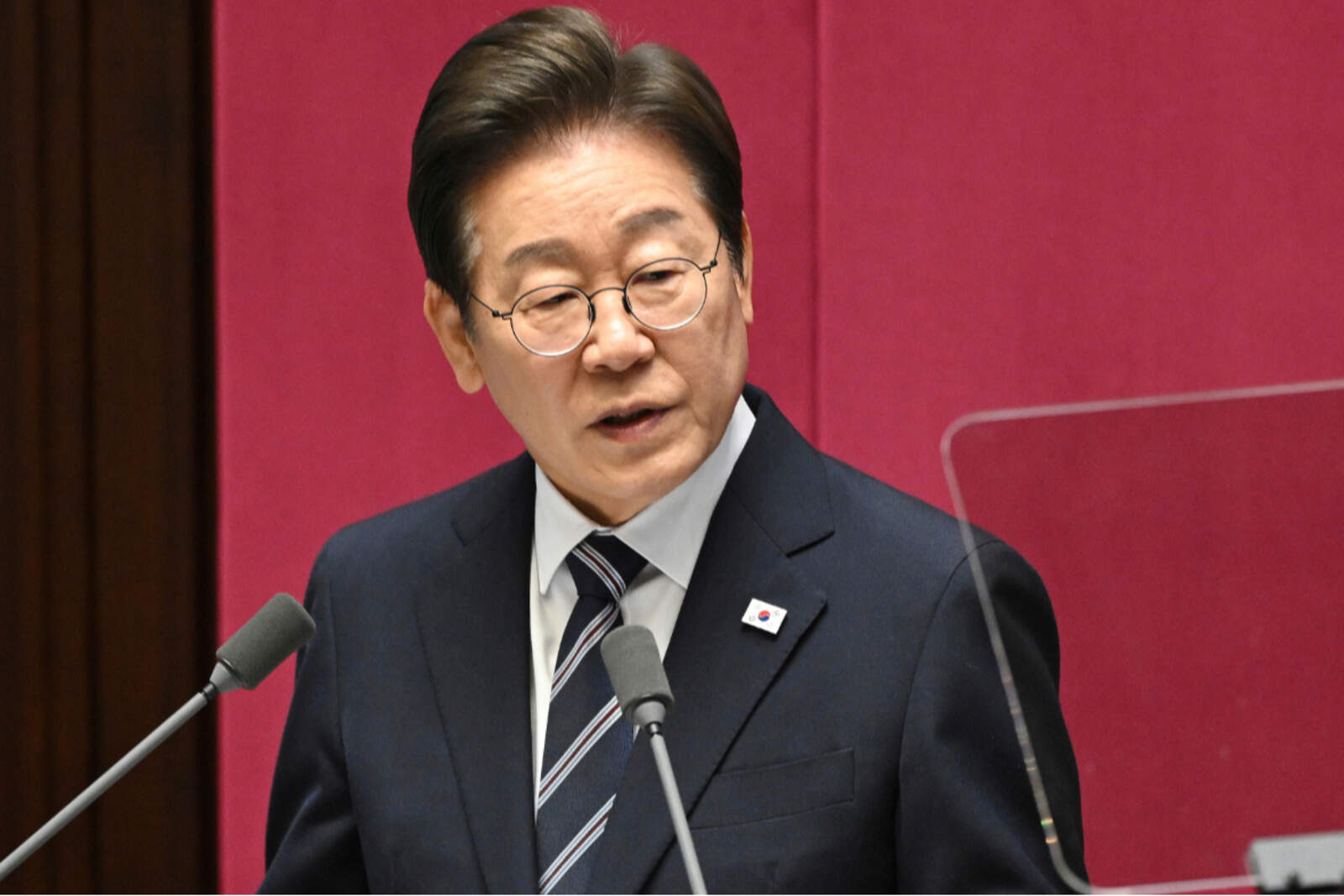

South Korean President Lee Jae Myung has announced an unprecedented offensive against what he calls "hate speech" and "disinformation", sparking strong controversy for being a direct attack on freedom of expression.
During a cabinet meeting held this Tuesday at the presidential office in Yongsan, Lee instructed civil and police authorities to "punish without delay" any manifestation considered discriminatory or false, and promised a policy of "zero tolerance" toward those who "distort facts or violate human dignity."
Although the president insisted that his goal is to protect democracy and coexistence, his words and proposals have been interpreted as an attempt to censor criticism and control public discourse.
Lee stated that the country "can no longer tolerate acts of hate or disinformation disguised as opinion" and that these "go beyond the limits of freedom of expression." Government detractors warn, however, that these statements lay the groundwork for a dangerous expansion of state power over the media and social networks.
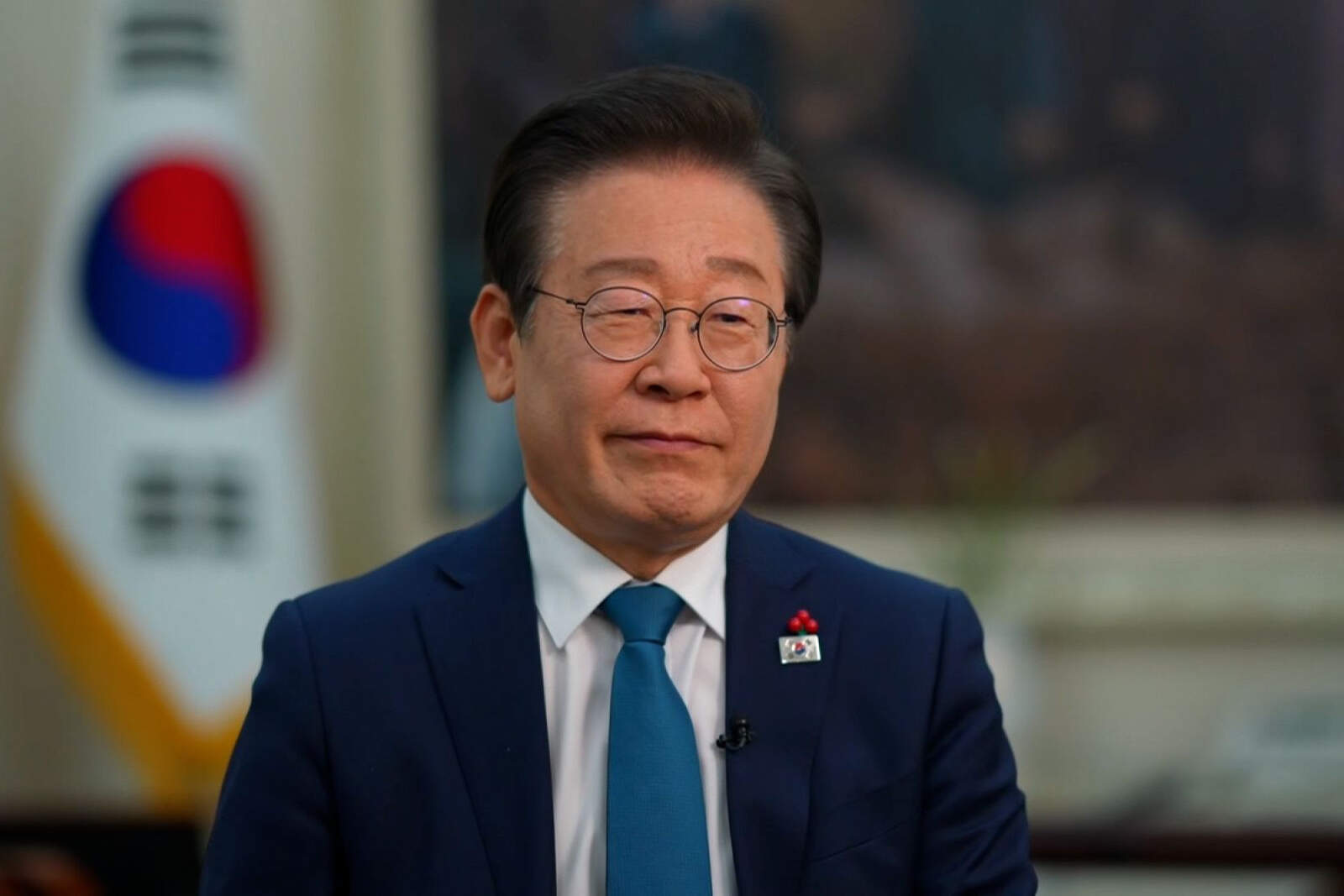
Among the proposed measures is a law inspired by European and Japanese legislation, which would punish digital platforms that do not quickly remove content considered "discriminatory" or "manipulated."
Justice Minister Jung Sung-ho indicated that the sanctions would include severe fines and the possibility of closing repeat-offending sites. In addition, the president ordered the preparation of disciplinary rules that would provide for the automatic dismissal of public officials who use discriminatory language, even outside their official duties.
"A public official who engages in hate speech must be immediately disqualified from public service," Lee said, approving the proposal of the Minister of Personnel Management, Choi Dong-suk.