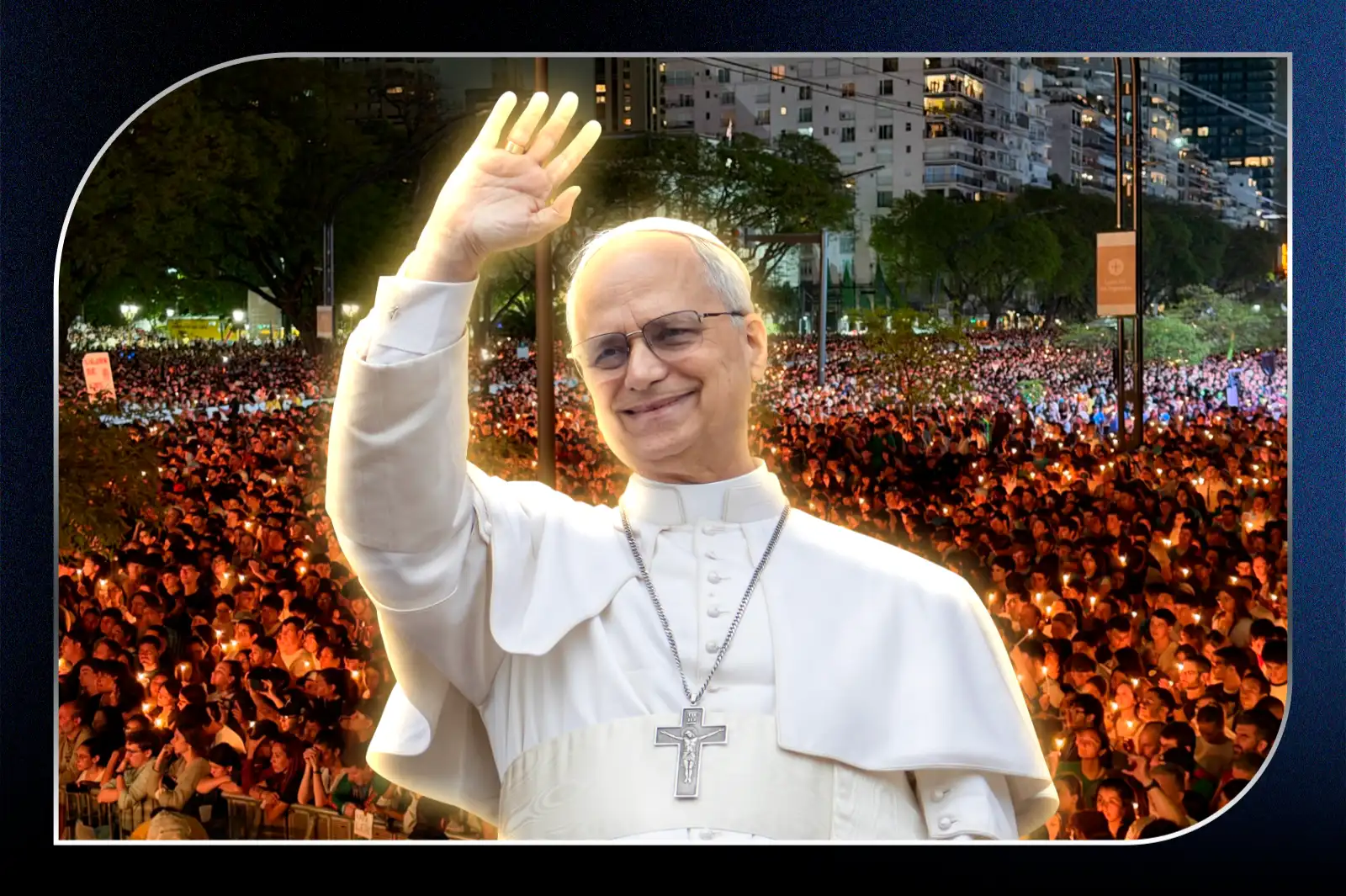

The visit of Pope Leo XIV to Argentina left us with an indelible image, millions of people united by the same hope, seeking in Jesus a word of faith, peace and comfort. In a country where so often our differences alienate us, families, young people and people from different realities found themselves around a common message.
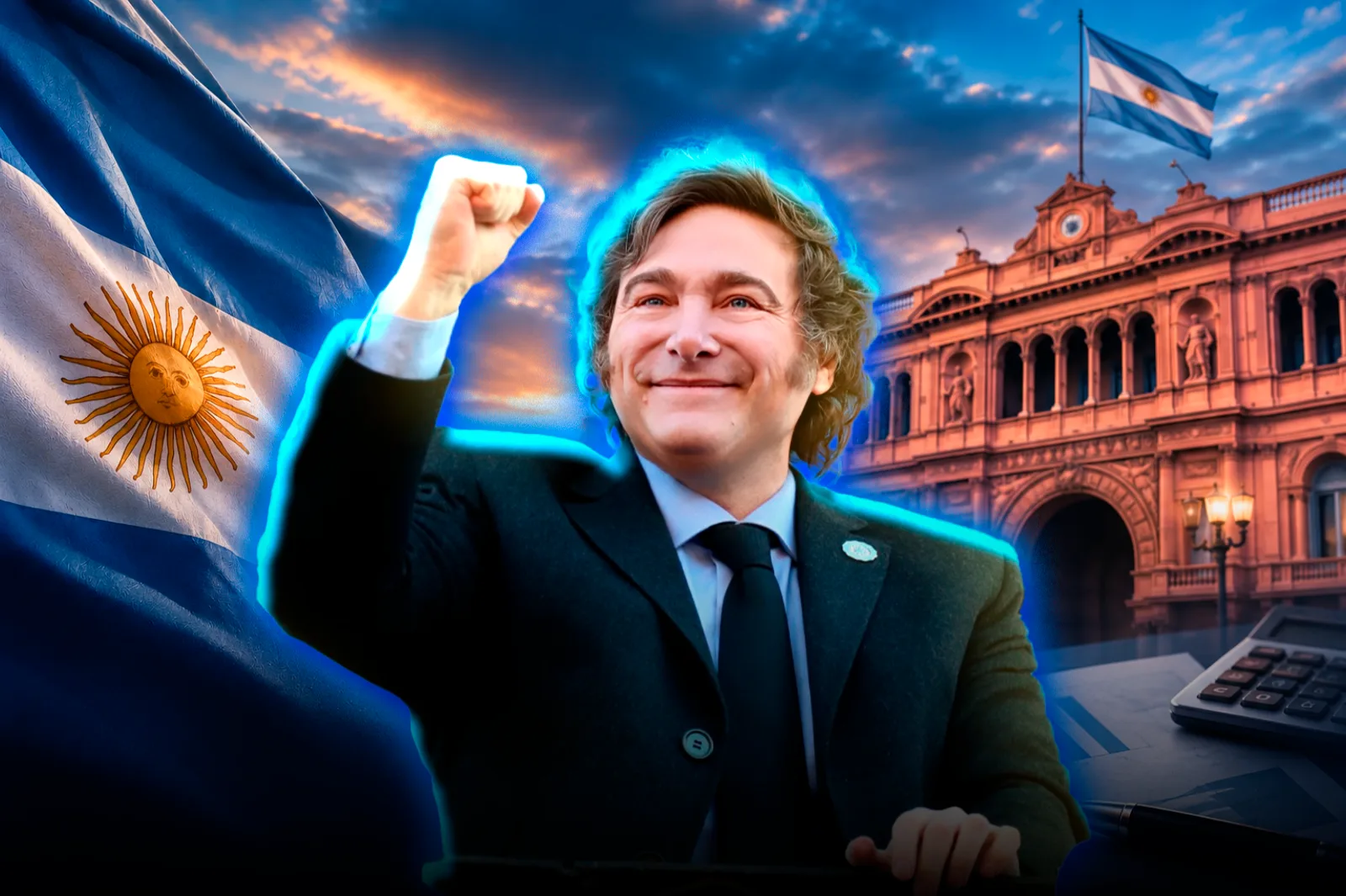
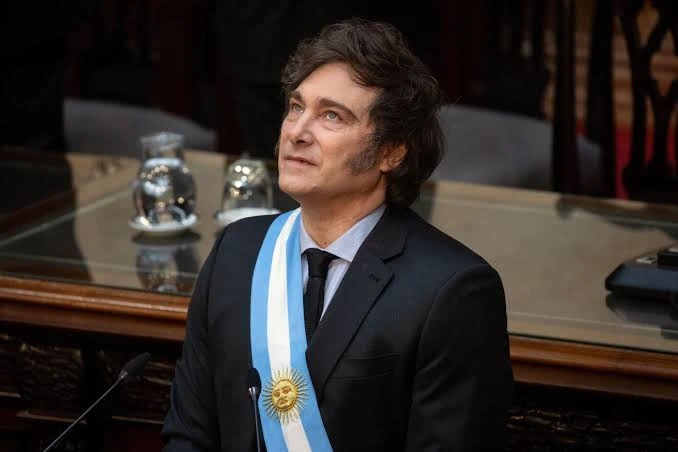
We saw that there are still values capable of uniting us.In that context, I would like to highlight the attitude of President Javier Milei. In his welcome to the Holy Father, he expressed that there were reasons above our differences. He then stated that he did not want to use the Pope's speech politically and that everyone should do their own analysis.
It was a gesture of institutional respect, there are messages that should not be appropriated or turned into tools of confrontation.Many took advantage of the context to talk about the differences between Christianity and liberalism. I recommend, “Christianity and Freedom” by Alberto Benegas Lynch (h.), Enrique Loncan, Gabriel Zanotti and Alejandro Chafuen, where they addressed the relationship and concluded that, although they are not identical doctrines, they agree to recognize the dignity of the person, freedom of conscience, moral responsibility and respect for individual rights.
His Holiness's visit re-circulated an expression that we hear constantly: the “common good”. We are not going to stop here on all their interpretations, but we do want to point out that it cannot be an empty formula or justify that the State or those who govern decide for everyone, it must be compatible with the dignity, freedom and
responsibility of each person.Freedom also requires principles
.In his message to young people, Leo XIV invited us to recognize ourselves as the recipients of his words. Remembering the three young men from Babylon who refused to kneel before the king's golden statue, he spoke of the idols of our time: success at any price, money, appearance and popularity. Freedom also consists of knowing what things we are not willing to give up on our principles.
We all have temptations and contradictions, we must ask ourselves how much of what we do responds to our convictions and how much to the need for approval, recognition or power.
Freedom recognizes the dignity and autonomy of each person. It does not mean the absence of principles, but rather being able to choose our path without arbitrary coercion, respecting the rights of others and taking responsibility for
our decisions.Authority as a service and not as a power
With officials, the Pope recalled that authority finds its highest meaning when exercised as a service and recognizes the limits of power and pointed out that democracy is strengthened when we know how to listen, seek agreements and recognize those who think differently from a compatriot with whom we share a destiny. Peace does not require us all to think alike, but to respect each other in our differences



