








Lithuania took a step towards one of the most significant constitutional reforms in recent decades by reaching a political consensus to eliminate the prohibition on deploying nuclear weapons and establishing foreign military bases on its territory.
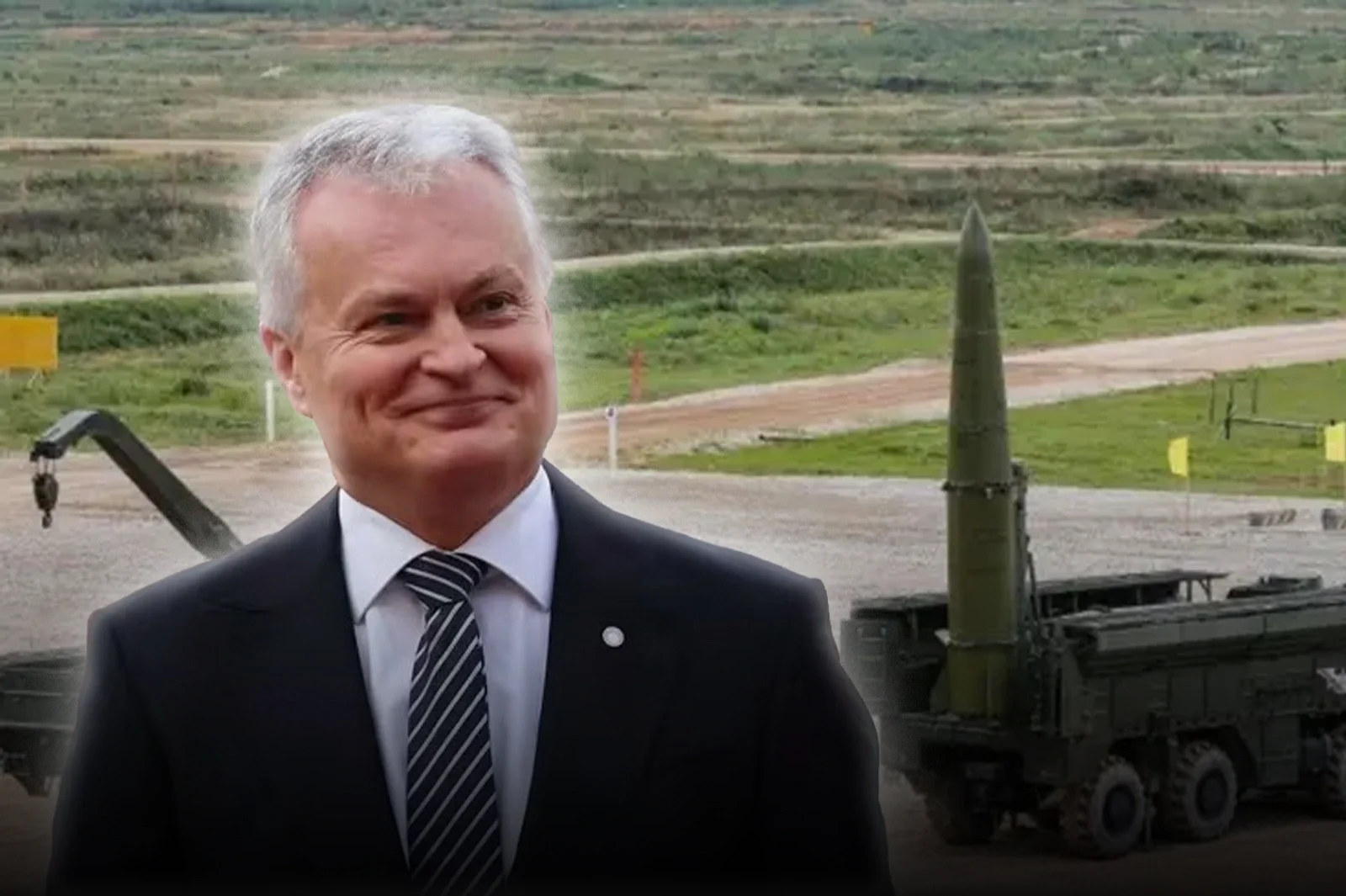
The initiative, driven by President Gitanas Nauseda, responds to the deteriorating security landscape in Eastern Europe following Russia's invasion of Ukraine and seeks to adapt the country's legal framework to the new defense needs within NATO.
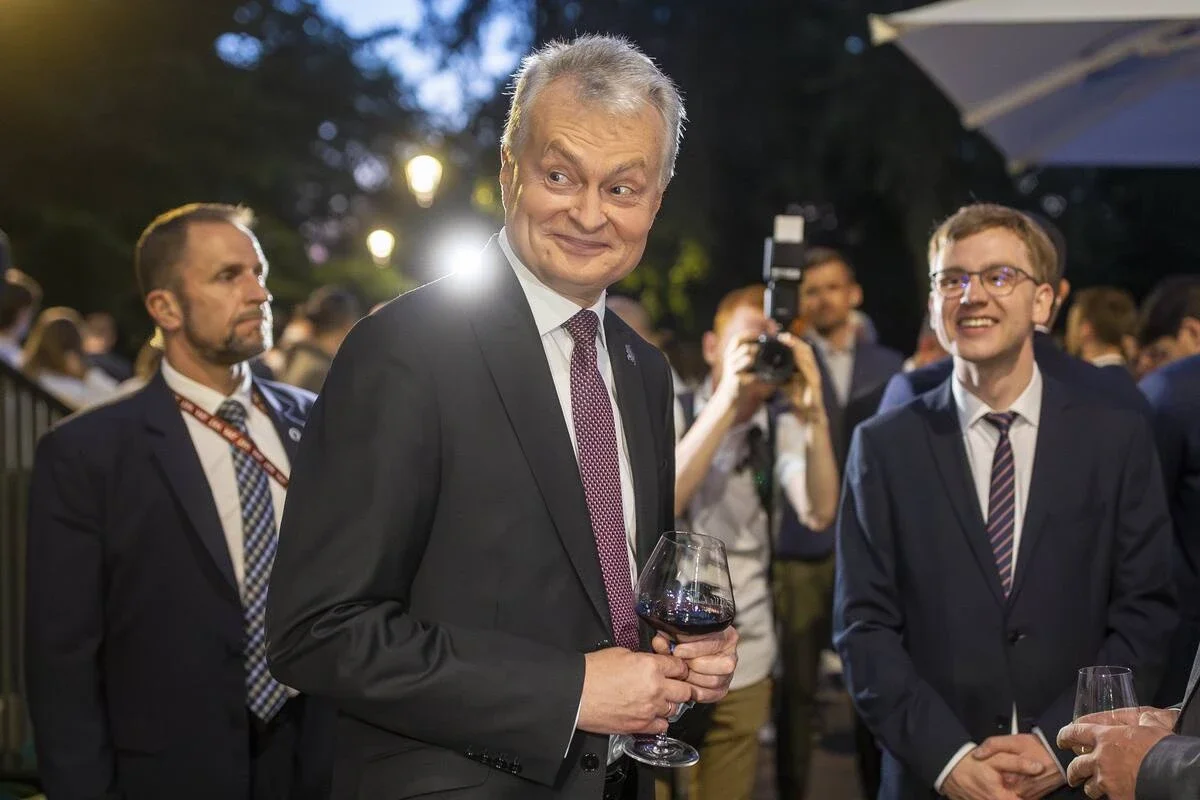
The agreement was reached during a meeting between Nauseda and the main leaders of the parties represented in Parliament. The president stated that there is broad political support to repeal Article 137 of the Constitution, a provision approved over three decades ago when Lithuania regained its independence from the Soviet Union and the geopolitical context was very different from today.
''The geopolitical situation is worsening. Our Constitution was written when the geopolitical circumstances were completely different,'' Nauseda said while explaining the need to amend the constitutional text.
The president of Lithuania met with representatives from the major parties and gathered a broad consensus to lift the restriction on the deployment of nuclear weapons
The president maintained that the provision has become obsolete in light of the new security scenario in Europe and noted that the elimination of the prohibition will allow the country to respond with greater flexibility if strategic conditions continue to deteriorate.
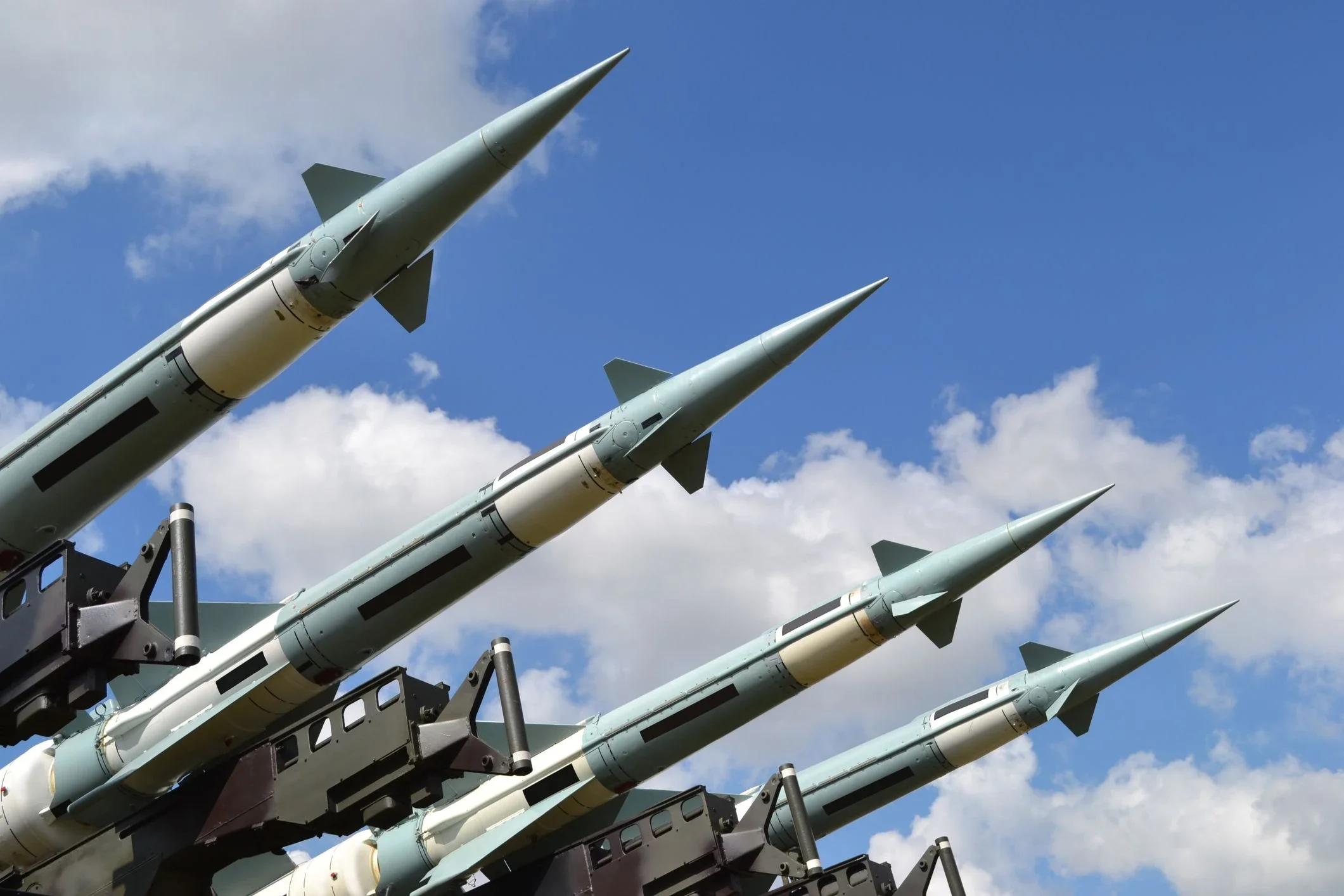
Currently, Article 137 expressly prohibits the deployment of weapons of mass destruction and the establishment of foreign military bases on Lithuanian territory. The reform would eliminate both restrictions, although Nauseda clarified that there are no immediate plans to store nuclear weapons in the country.
The president also emphasized that Lithuania will continue to be part of the Nuclear Non-Proliferation Treaty (NPT), so any constitutional change will not imply abandoning its international commitments regarding arms control.
The Lithuanian executive assured that the Baltic country will continue to be part of the Nuclear Non-Proliferation Treaty
The reform will have to pass a demanding legislative process. As it involves a constitutional amendment, it will require two-thirds majorities in two separate votes within Parliament. The president of the Legislature, Juozas Olekas, expressed confidence that the amendments could be approved before the end of the year.
The decision reflects the profound change that Lithuania's defense policy has undergone since the beginning of the war in Ukraine in 2022. As a NATO member and a country bordering both the Russian enclave of Kaliningrad and Belarus, a close ally of Moscow, Vilnius has significantly increased its military preparations in anticipation of a potential regional escalation.
Since the start of the Russian invasion, Lithuania has tripled its defense spending, reinforced its borders, and modernized its armed forces. At the same time, it is advancing in the construction of the necessary infrastructure to permanently host a fully operational German brigade starting in 2027, considered a key piece in NATO's deterrence strategy on its eastern flank.
Vilnius's change in posture also follows a trend observed in other neighboring countries of Russia. Four months ago, Finland announced its intention to repeal a legal prohibition on nuclear weapons that had been in place for decades, shortly after officially joining the Atlantic Alliance in 2023 after abandoning its historic policy of neutrality.

The president of the Lithuanian Legislative Power expressed confidence in the swift approval of the measures
Meanwhile, the war in Ukraine continues to fuel security concerns in the region. On the same day that Lithuania announced the political agreement, Russia launched a wide-ranging missile and drone attack against Kyiv and other Ukrainian regions, targeting military, energy, and fuel facilities.
Ukrainian authorities reported that at least 13 people died in the capital as a result of the bombings, while some neighboring countries took preventive measures. Finland temporarily established a no-fly zone in the eastern gulf of the country, and Poland deployed fighter jets as a precautionary measure.