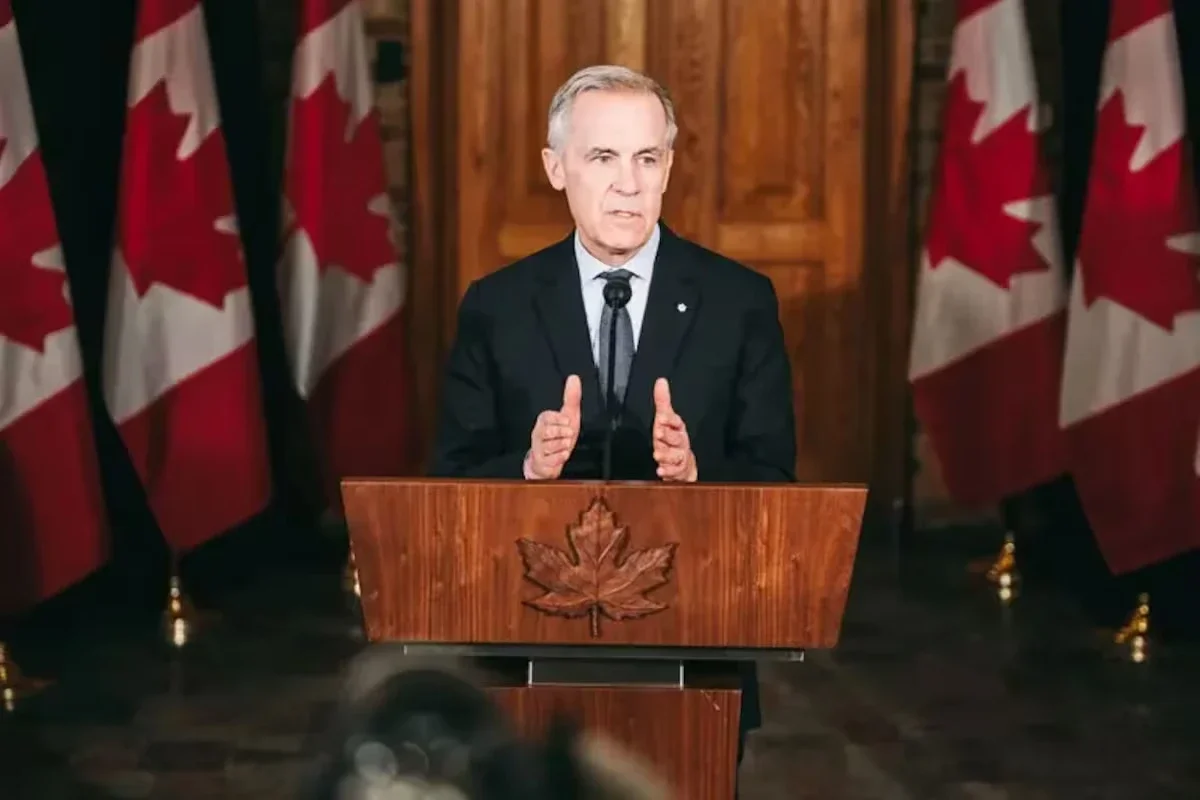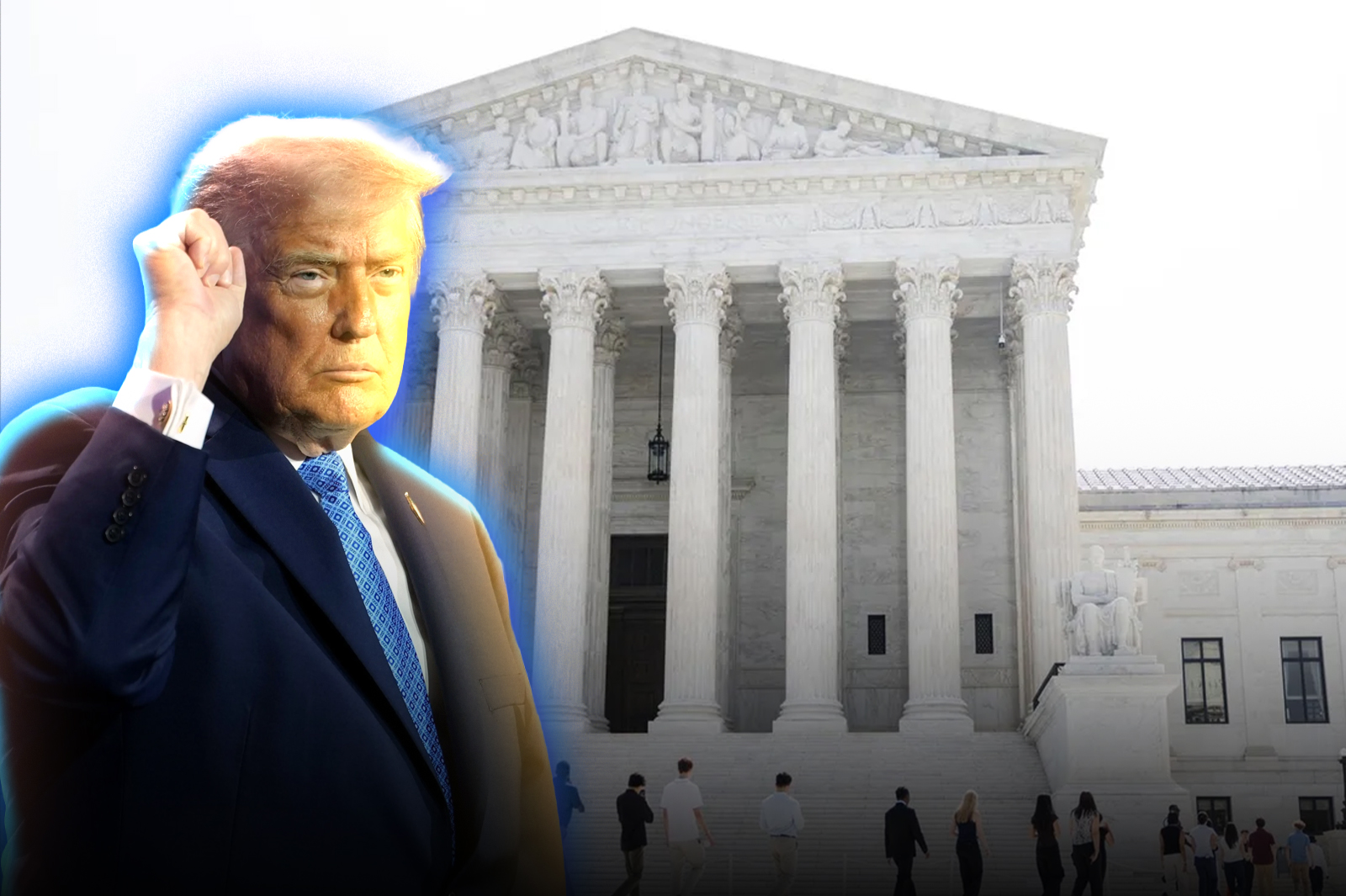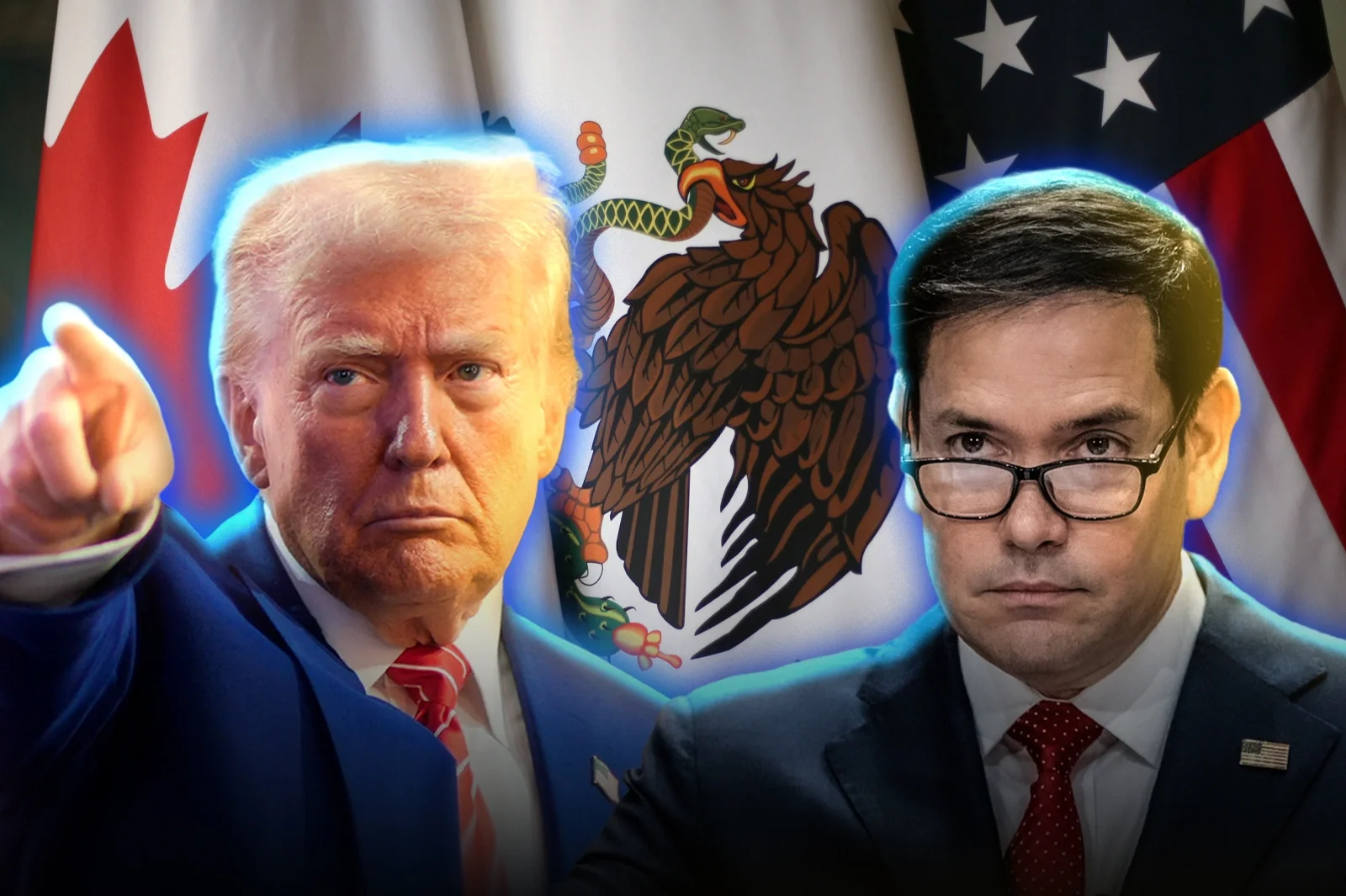

The United States decided not to renew the Treaty between Mexico, the United States, and Canada (USMCA) in its current form, a determination that forces the three North American partners to initiate a new phase of reviews and negotiations regarding the future of the region's main trade agreement. The decision, announced by the administration of President Donald Trump, does not imply the immediate end of the pact, but does open an annual review process that could extend over the next decade.
The U.S. Trade Representative, Jamieson Greer, confirmed the decision following the virtual meeting held on July 1 between the three countries, in compliance with the review mechanism provided for by the treaty itself.
''In accordance with the agreement, the United States, Mexico, and Canada met virtually to discuss the functioning of the USMCA. The United States did not agree to renew the agreement in its current form. As a result, the USMCA has not been renewed,'' Greer stated in a press release.
The date marked a decisive moment for the agreement, as the six-year review mechanism establishes that, six years after its entry into force, the three governments must decide whether to automatically extend its validity until 2042. In the absence of consensus, the treaty will remain in force until 2036, but will be subject to annual reviews and a continuous negotiation process over the next ten years.
White House officials explained that all provisions of the USMCA will continue to apply while discussions are ongoing. However, they made it clear that the administration believes the agreement needs deep changes to respond to U.S. commercial interests.
According to one of the senior officials who participated in the meeting with the press, the treaty did not meet one of President Donald Trump's main objectives: reducing the U.S. trade deficit. The official added that Washington also has concerns about U.S. products' access to Canadian and Mexican markets, making it necessary to renegotiate several chapters of the agreement.
Trump had already hinted at this position during June when he stated that he preferred not to renew the treaty that he himself promoted during his first term to replace the North American Free Trade Agreement (NAFTA).
The president maintained that the old NAFTA was ''the worst trade agreement'' he had ever seen and asserted that the USMCA represented a significant improvement. However, he claimed that the current pact allows for its termination, unlike the previous treaty, and stated that the United States does not economically depend on its two North American partners.
According to Trump, Canada and Mexico need access to the U.S. market much more than the United States needs their exports. Therefore, he considered that both countries must offer more favorable conditions if they wish to maintain a trade agreement with Washington.
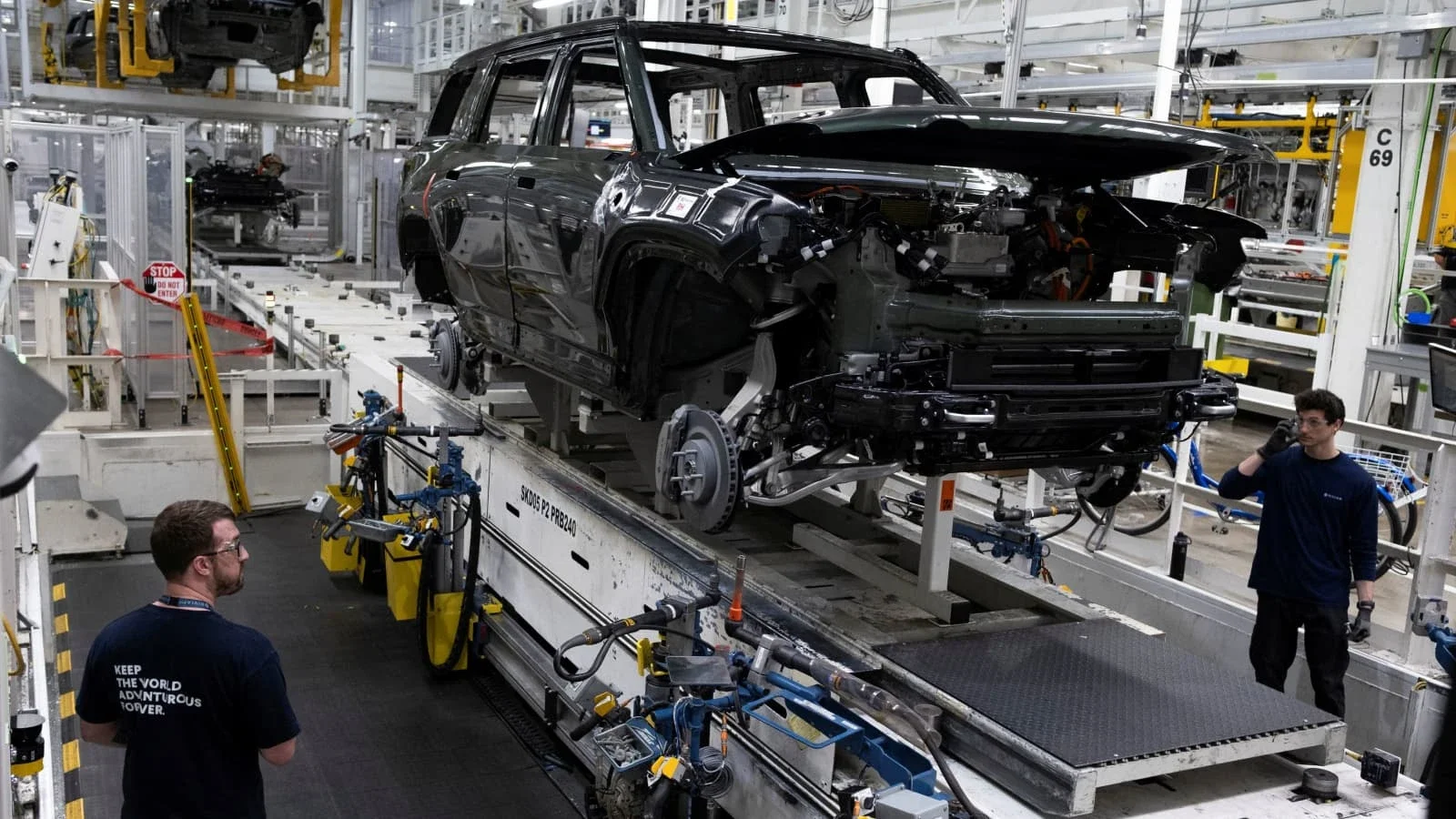
The USMCA constitutes the legal framework that regulates approximately two billion dollars in annual trade among the three economies. The treaty establishes rules for strategic sectors such as the automotive industry, agriculture, digital trade, intellectual property, investment, and labor rights.
In recent years, the U.S. administration has expressed various objections regarding the functioning of the agreement.