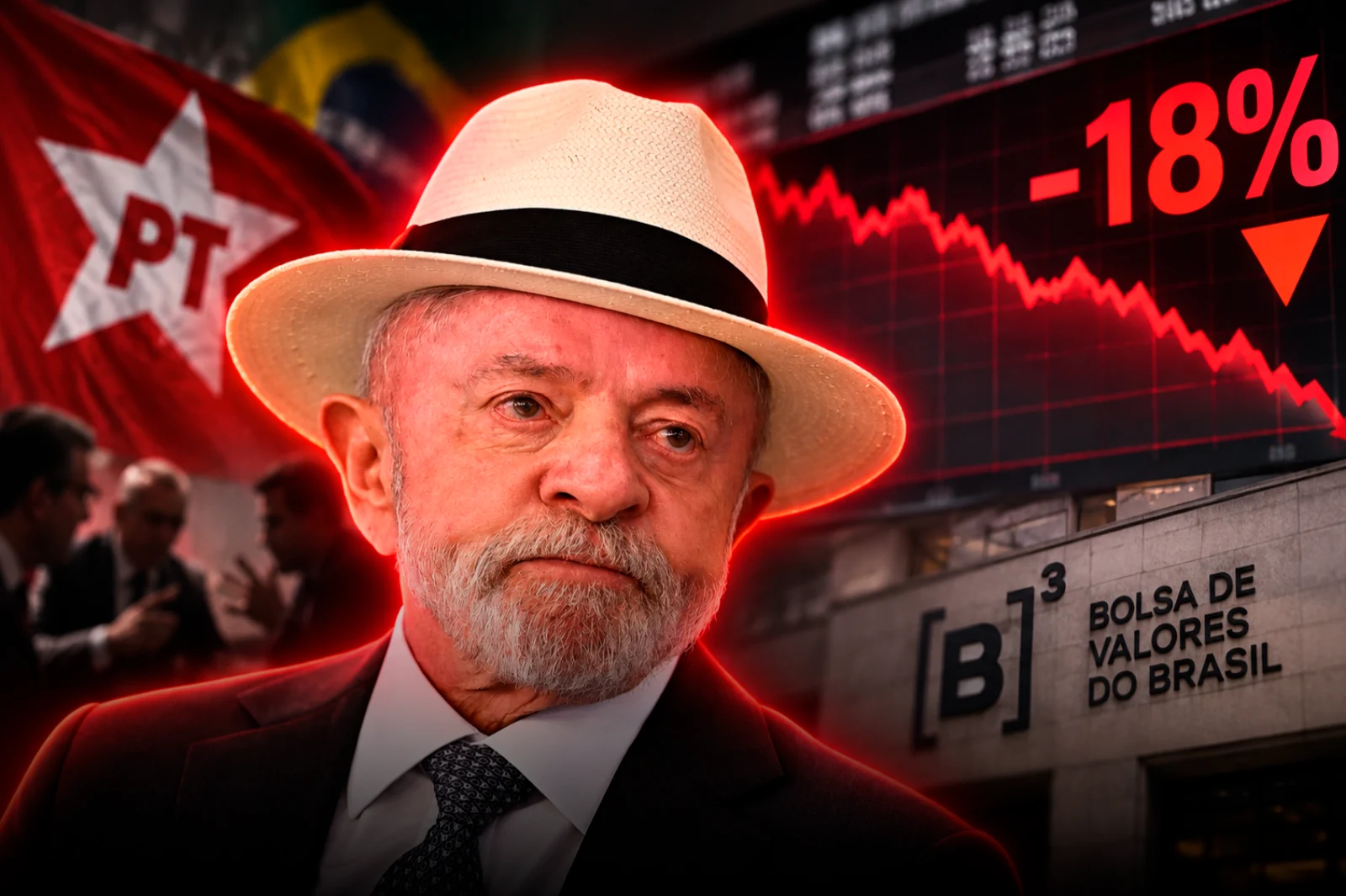





The dictator of Brazil, Lula da Silva, is facing a significant deterioration in market confidence just three weeks after intervening in the election against Flávio Bolsonaro: since the runoff on October 25, the dollar has risen more than 16% against the real and the main stock index in São Paulo has accumulated a decline of nearly 18%, while his first fiscal adjustment project with the highest VAT in the world has sparked criticism even among sectors of the left that supported him during the campaign.
On Tuesday, the U.S. currency was quoted at 5.81 reais and closed at 5.78, its highest since April 2025. On Monday, it had surged around 2.1%, while the stock market fell 1.83%. The tension is not solely explained by the turbulence on Wall Street: Milton Maluhy, CEO of Itaú Unibanco, emphasized that the movement of the real was specifically Brazilian and warned that, without a correction of public accounts, debt could exceed 100% of GDP in the next 4 years.
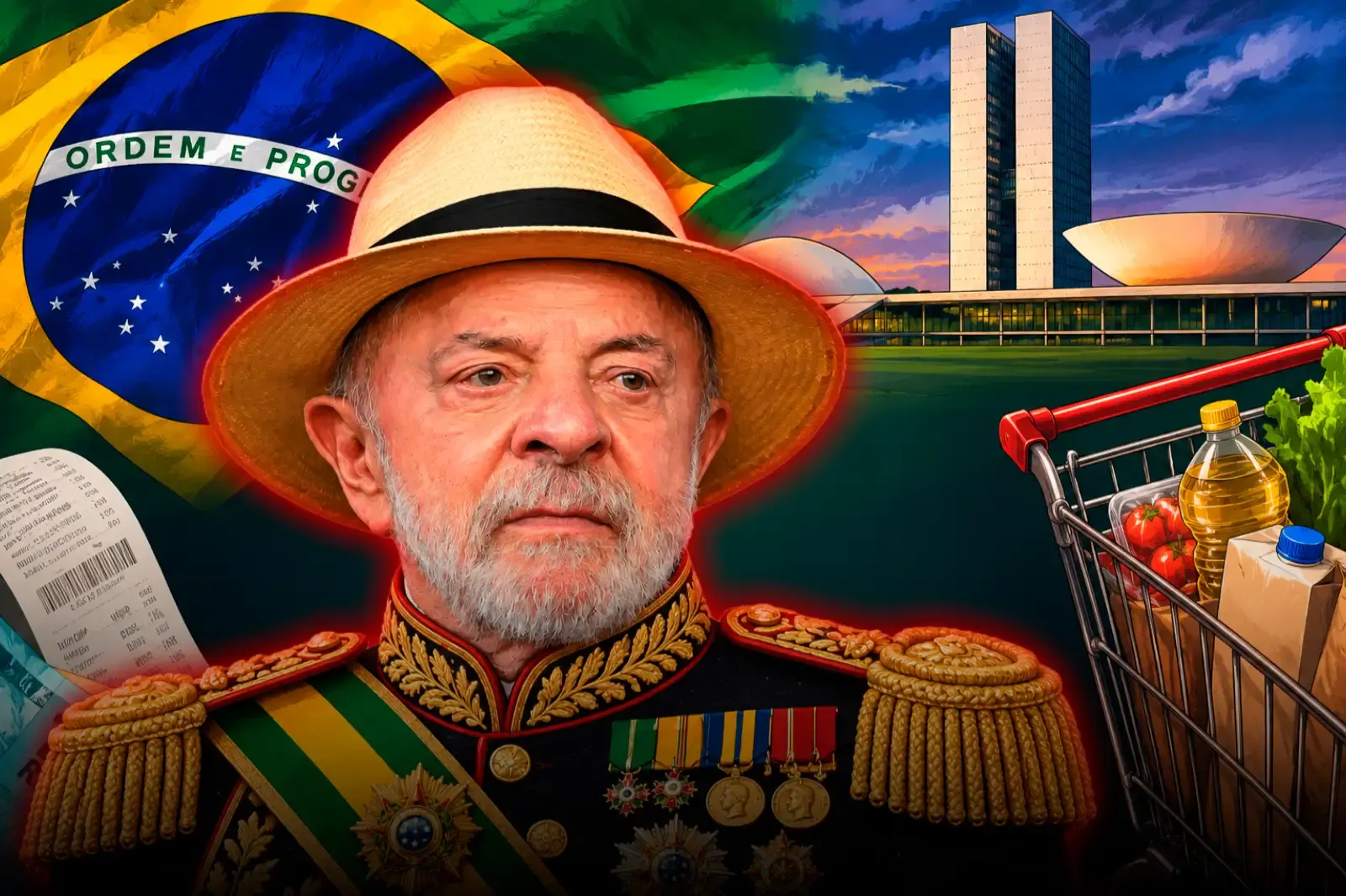
The focus of distrust is the so-called “Moretti plan”, developed by the Planning Minister, Bruno Moretti, with which the government aims to improve the accounts for 2027 by up to 60 billion reais, equivalent to more than USD 10 billion. The package combines tax increases, reduction of tax exemptions, and postponement of transfers to states and municipalities. However, investors believe it is not enough to curb indebtedness: XP Investimentos estimates that the permanent savings would be around 38.3 billion reais and rated its orientation as excessively short-term.