






Instead of seeking structural solutions, Lula has chosen a retaliatory approach, threatening equivalent measures and even turning to the World Trade Organization (WTO), which could trigger an unnecessary trade war.
Even more concerning, Lula's administration has intensified control over digital platforms, requiring American companies operating in Brazil to comply with regulations that many consider vague or arbitrary, especially regarding so-called "hate speech."
In practice, these policies have served to censor voices critical of the government and consolidate an increasingly restrictive environment for freedom of expression.

Although Vice President Geraldo Alckmin has tried to open channels of dialogue with figures close to Trump, the reality is that Brazil's tone is moving further away from pragmatism and seems to be shifting toward an ideological agenda that prioritizes confrontation over cooperation.
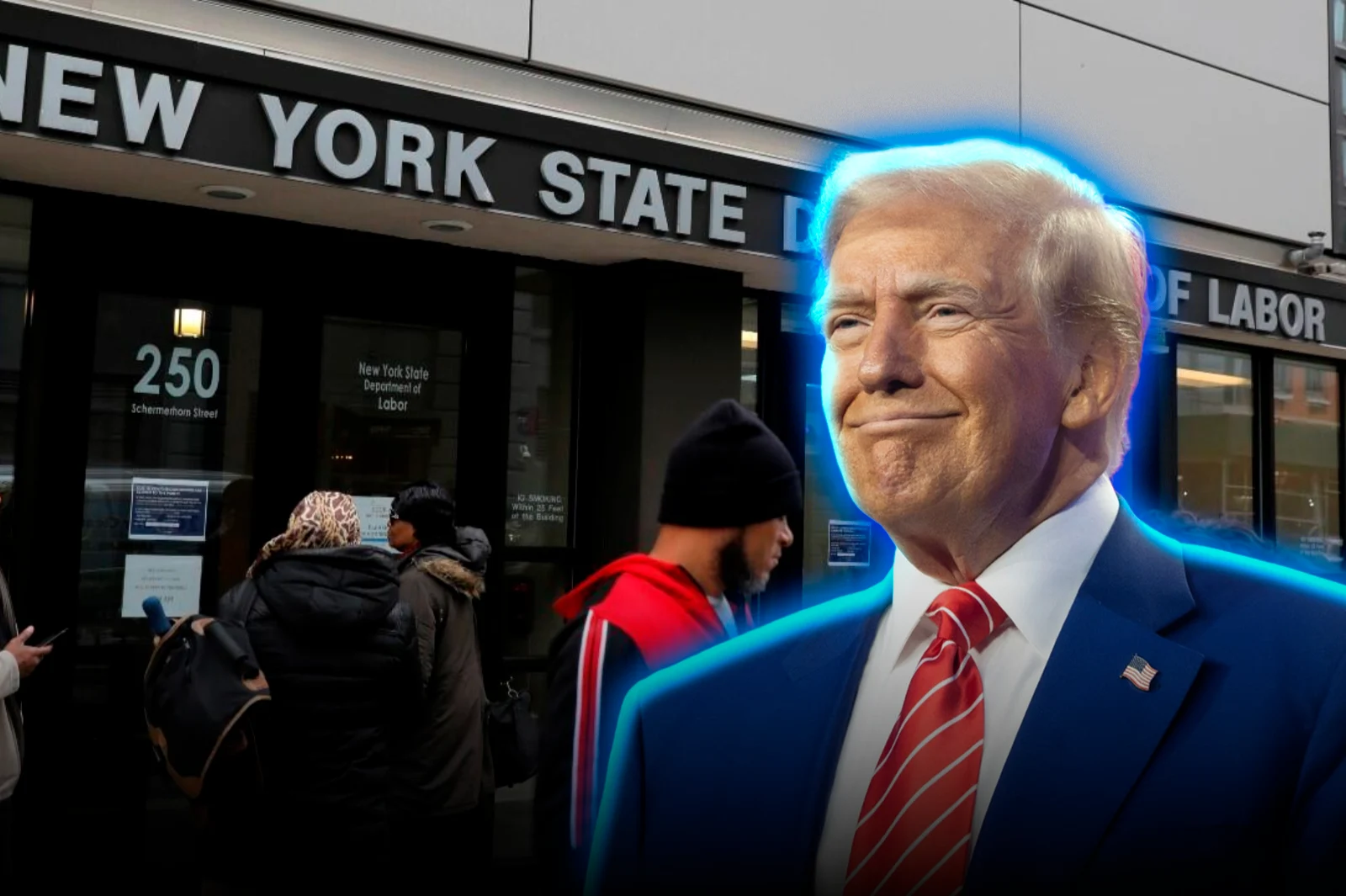
With its threats of reciprocal tariffs and rejection of external criticism, Lula is putting a historic trade relationship at risk and harming exporters from both countries, sacrificing economic interests in favor of his political rhetoric.

