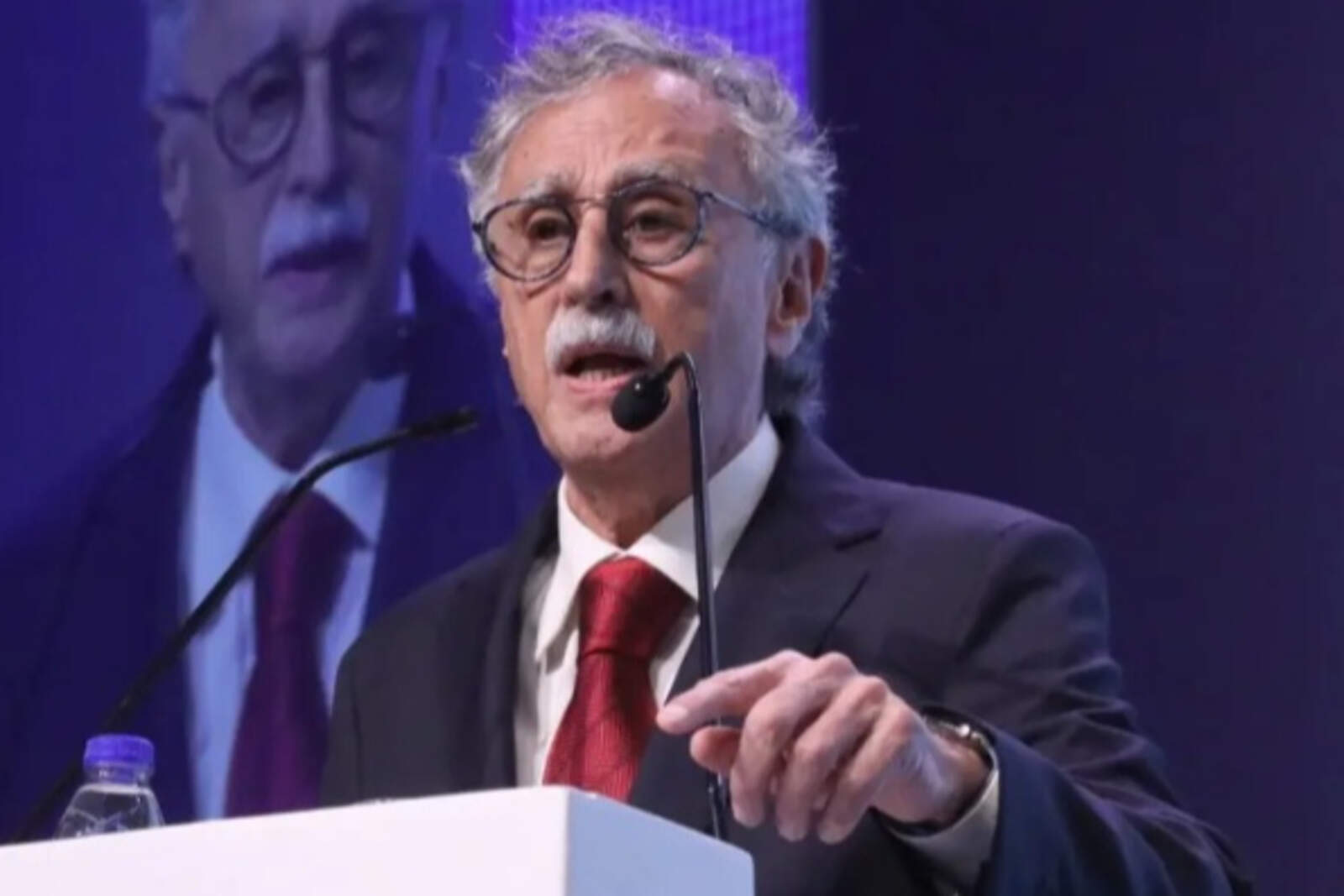
"The results are more than clear: none of the doctors who had to revalidate the score obtained in the entrance exam for residencies were able to do so. Of the 141 summoned to retake the exam, 117 received much lower scores and 24 applicants simply did not show up," he stated.
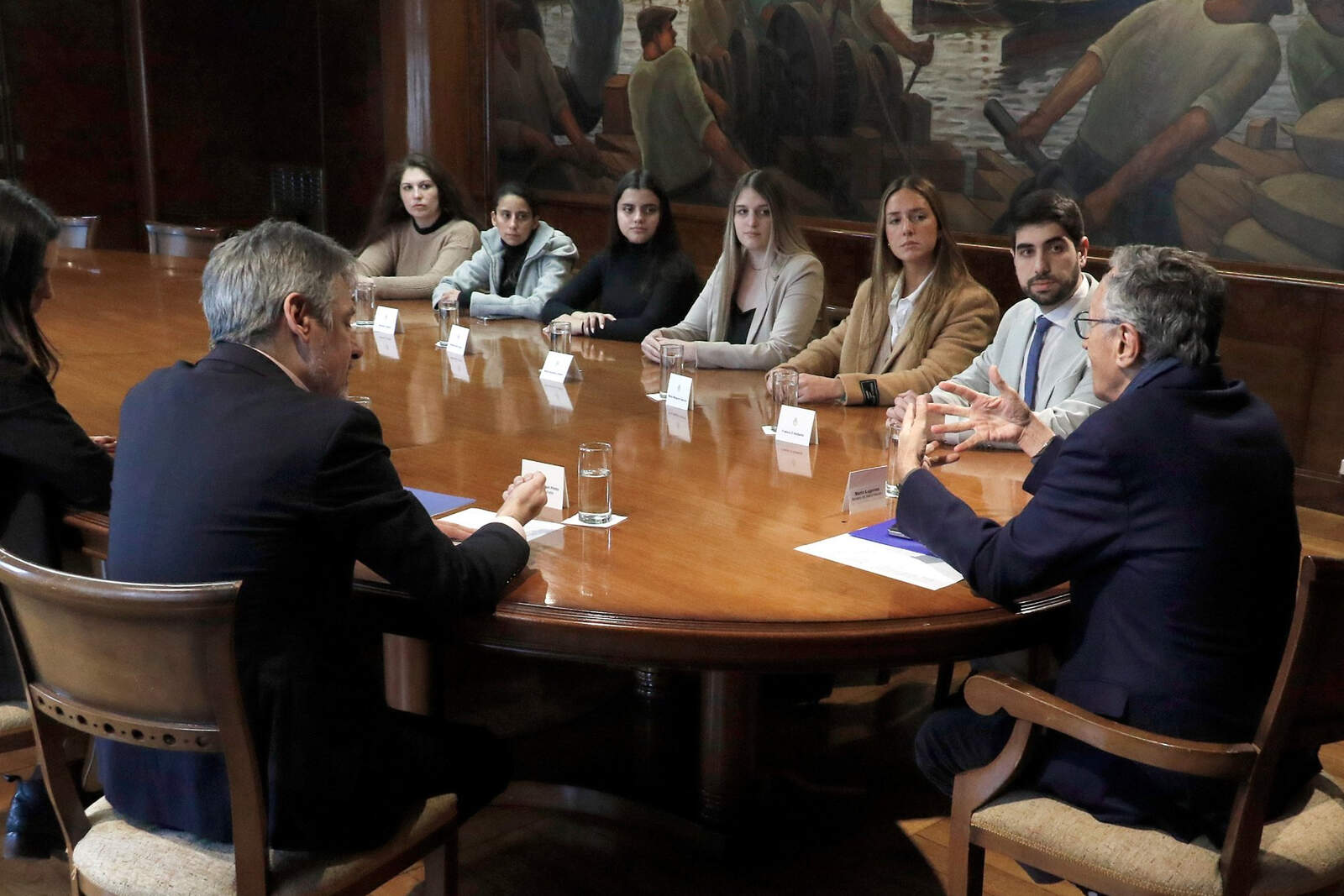
Mario Lugones, ministro de Salud, con médicos que rindieron el examen de residencias.100
According to Lugones, thanks to this measure, it was possible to prevent "141 people —133 of them foreigners— from occupying privileged places in the merit ranking that did not belong to them".
"In medicine, admission is earned through knowledge and effort. Behind every shift, diagnosis, and emergency, there are lives at stake. That's why we ensure that those entering the system are truly prepared," he added.
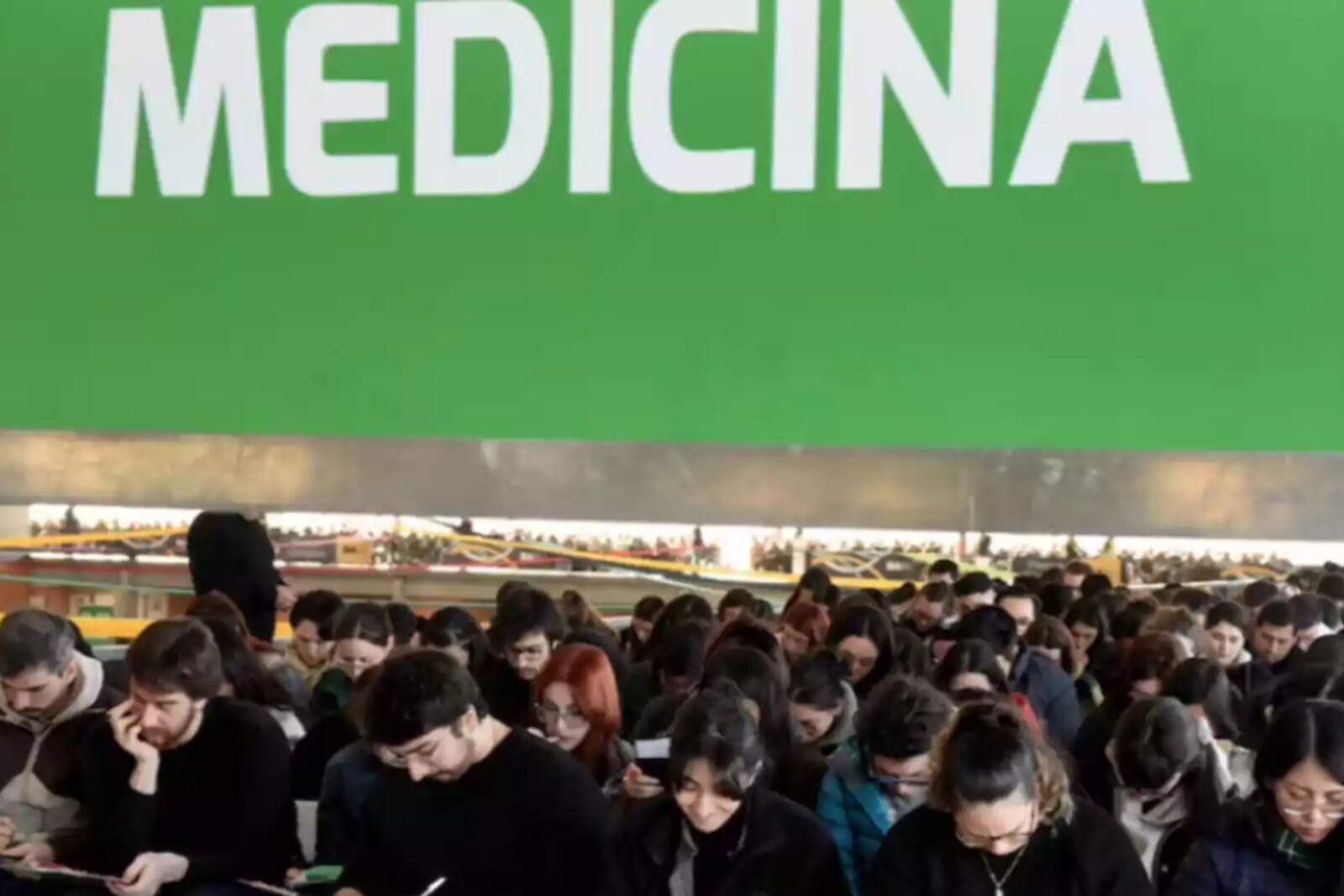
El examen para residencias volvió a rendirse el jueves.
Finally, the official emphasized: "Public health is built on trust, and that trust begins by protecting patients from improvisation and fraud."
The Government is considering deporting foreigners who committed fraud in the exam
Javier Milei's Government is analyzing the possibility of deporting 133 foreigners, 109 who did not validate their score and 24 who did not show up, who entered the country as tourists to take the National Medical Residency Exam, but did not correctly declare the purpose of their visit, in addition to the irregularities and fraud detected in the exam, according to media outlet A24.
Extranjeros que rindieron el examen de residencias hicieron trampa.
The situation became more complicated when the complaint against Adrián Alejandro David Castillo, an Ecuadorian immigrant involved in the illegal filming of the exam, became public.
According to the official investigation, Castillo "read the exam, filmed it, went to the bathroom, transmitted it, received the answers, and then distributed them."
This incident led to the judicialization of the case, which is currently under review by federal judge Juan Ercolini, who is investigating the alleged fraud against the State.