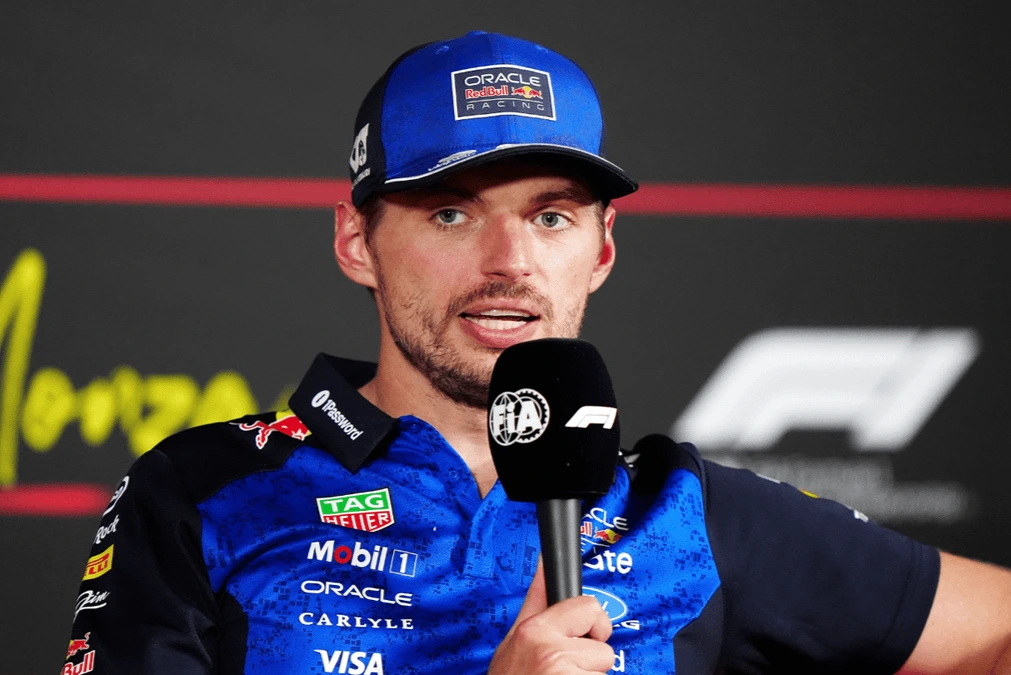
The Dutchman criticized the impact of the new power units on driving and stated that he misses the response, the sound, and the excitement of the V8 and V10 engines
Looking ahead to the future of Formula 1, Verstappen was clear when asked what type of engine he would like to see in the category by 2030 or 2031. "It has to go back to a V8 engine, if only for the ease of driving. When you drive the old cars, you can't imagine the difference in engine response or handling. And how terrible or horrible it is now compared to having a V8", he concluded.
When comparing the current engines with the turbo-hybrids used until last season, the Dutchman reiterated his preference for V8s. "Moreover, the feeling is horrible compared to a V8. The V8 is much better. It's much freer, lighter. Cars are very heavy these days", he explained.
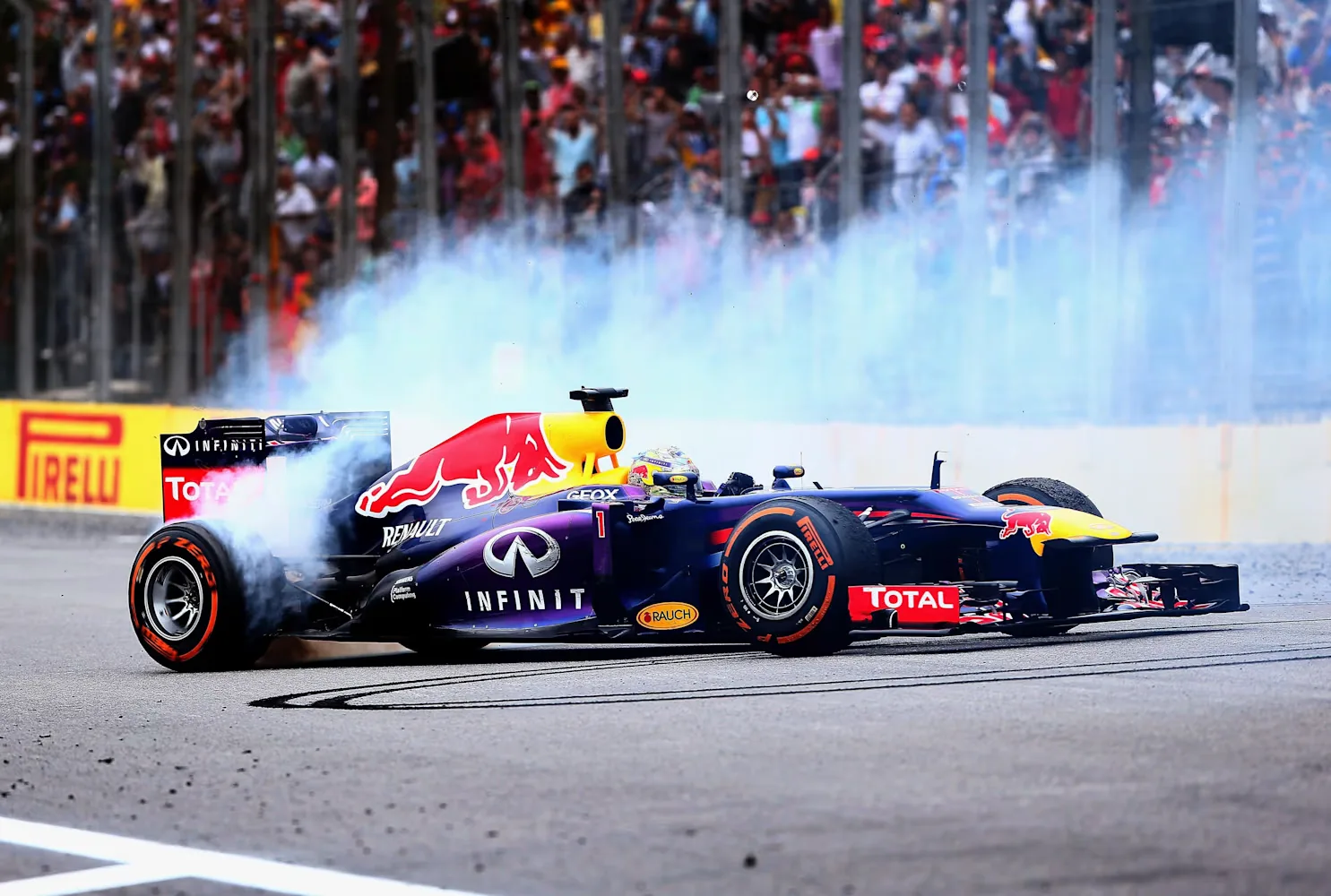
The last season of Formula 1 with V8 engines was 2013
Regarding a possible configuration for the future, Verstappen proposed reducing the size of the power units and limiting the prominence of the batteries: "It's better to have a smaller, much lighter V8 engine. Try to limit the size of the battery, perhaps to a push-to-pass type. But it shouldn't be involved in any kind of normal operation".
When asked about the possibility of keeping the turbo, he was even more blunt: "Ideally no, because that introduces turbo lag".
"It's the excitement that the noise of these cars conveys"
Beyond his technical questions, Verstappen explained that his connection to Formula 1 is also related to the sensations that the single-seaters from other eras generated for him. "I've been lucky that the previous years have been quite good (in terms of results). It wasn't how I wanted it regarding the battery", he expressed.
And he recalled his fascination with V8 and V10 engines: "But the excitement of the V8, the V10, back in the day, when I was a kid. You walk around, hear those cars coming out, and you get goosebumps". In that sense, for Verstappen, the top speed does not compensate for the loss of those sensations: "Even if you go 300 km/h compared to now sometimes 350 or 360, it doesn't matter".
Finally, the Red Bull driver summarized what he hopes for the future of the category: "It's the excitement that the noise of these cars conveys, the vibration. It's something totally different. And I really hope that comes back".
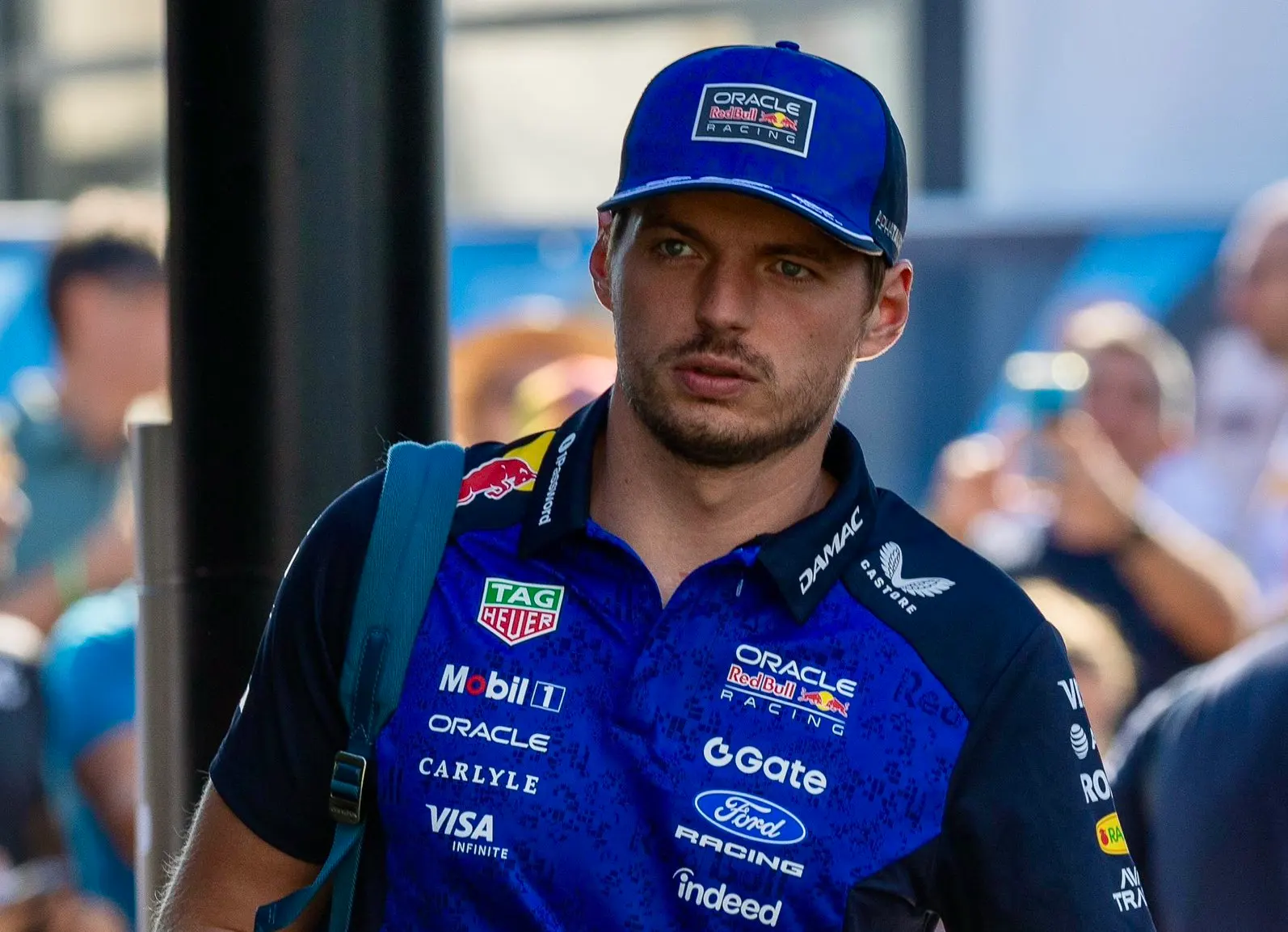
In the midst of an irregular season, Max Verstappen once again questioned the new engine regulations of Formula 1 and explained why he believes the current single-seaters are less natural for drivers. The Dutchman from Red Bull acknowledged that he hopes the situation improves in the coming years and stated that, looking ahead to 2030, he would like to see V8 engines back in the top category.
When asked by BBC Sport about his criticisms of the new power units and that question he posed at the Japanese Grand Prix, where he asked if "Is it worth it?", Verstappen explained what led him to accept the current situation. "Hoping it improves in the future. Accepting the current situation. Still, the love for the sport. Not the driving at this moment. But the love for the sport", said the four-time world champion.
2
In that vein, he added: "I love competition, of course. I just hope that in the coming years, looking towards 2030, the situation improves even more. And that I can start to get the most out of it, because these are the rules for the next four or five years".
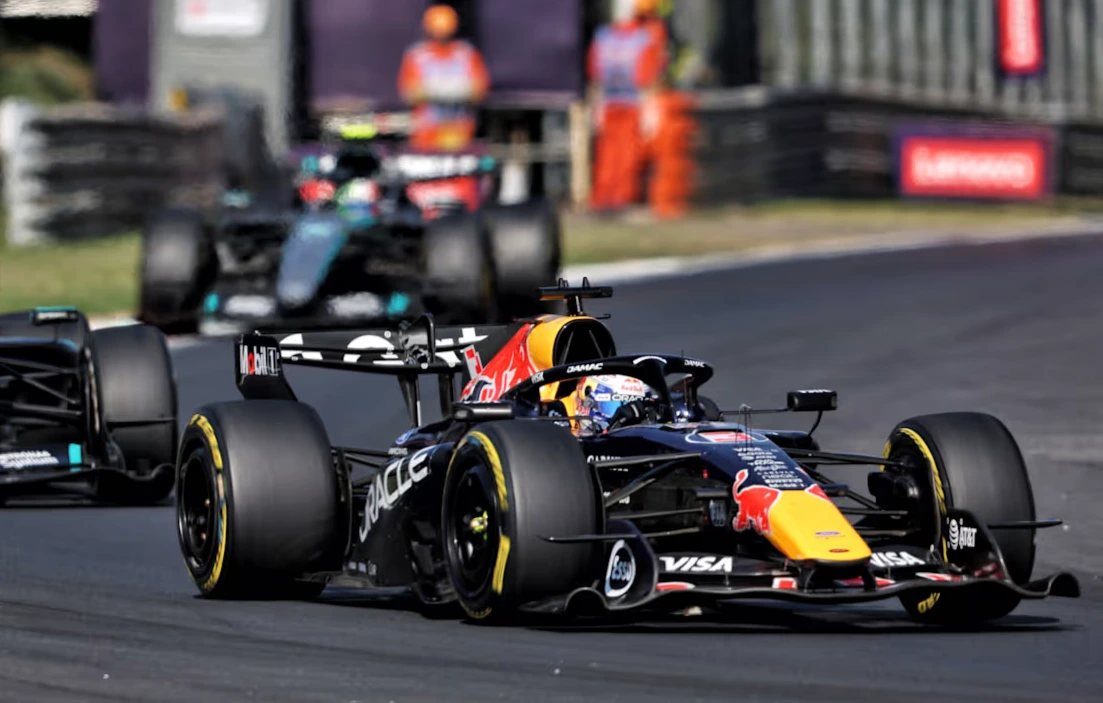
The Red Bull driver also explained what he believes harms the best drivers with the current hybrid engines and the need to constantly manage battery energy. "In the history of this sport, normally the most committed driver, the one who brakes later, the one who accelerates earlier, the one who commits at high speed, is the one who gets rewarded, because they simply gain time in the curve", he stated.
However, Verstappen pointed out that the new characteristics of the single-seaters force drivers to modify their natural driving style: "But now you're constantly thinking: 'In this corner, maybe I have to hold back a bit. Accelerate later. Or brake earlier. Or lift off the throttle. And then I'll have more top speed'. Things like that. It's so unnatural. It's not how it should be".
Verstappen believes that the new cars feel "unnatural"
He even used the adaptation of other drivers to different single-seaters during the season as an example to explain his stance on the sensitivity of the current cars. "No offense intended. And I hope no one clings to this. But look at Yuki (Tsunoda). He gets into the car(of Racing Bulls; at the Dutch Grand Prix). He had never driven that car before. He immediately becomes competitive", he commented. He added: "Liam(Lawson)goes from Racing Bull to Red Bull and is immediately competitive. This is because these cars are insensitive to the driver's actions".
Nonetheless, Verstappen acknowledged that skill remains decisive, although he believes that the margin for maneuvering is smaller: "Of course, you still have to make a good lap. And you still have to commit. The fastest drivers will always come out on top. But it's really, really limited, like a stranglehold or something. You're held back".